2026 Best Dynamic Storage Systems for Global Buyers

Time:2026-09-22 Author:Henry
0%

Choosing the right Dynamic Storage system in 2026 requires more than comparing prices and storage capacity. Global buyers must examine workflow, site conditions, service support, and long-term operating costs. A warehouse handling small parcels needs different equipment from a facility storing steel components or temperature-sensitive goods. The details matter.

This guide reviews leading dynamic storage systems for international purchasing teams. It considers pallet flow racks, carton flow solutions, automated storage and retrieval systems, mobile shelving, and shuttle-based designs. Each option is assessed through practical criteria, including load capacity, retrieval speed, space utilization, safety features, integration capability, and maintenance access. Real-world performance can change with product dimensions, humidity, floor quality, labor skills, and local installation standards.

Reliable decisions also require careful supplier verification. Buyers should request tested specifications, installation references, warranty terms, spare-parts availability, and documented training procedures. Certification claims should be checked against applicable regional requirements. A polished brochure is not enough.

Some comparisons remain imperfect. Manufacturers may report performance under different test conditions, making direct ranking difficult. Delivery timelines can also shift because of transport costs, custom engineering, or local approvals. These uncertainties deserve attention. A system that appears efficient on paper may create delays when operators cannot access service parts quickly. The best choice is therefore not always the most automated model. It is the solution that supports safe, measurable, and dependable operations across its expected service life.
2026 Best Dynamic Storage Systems for Global Buyers

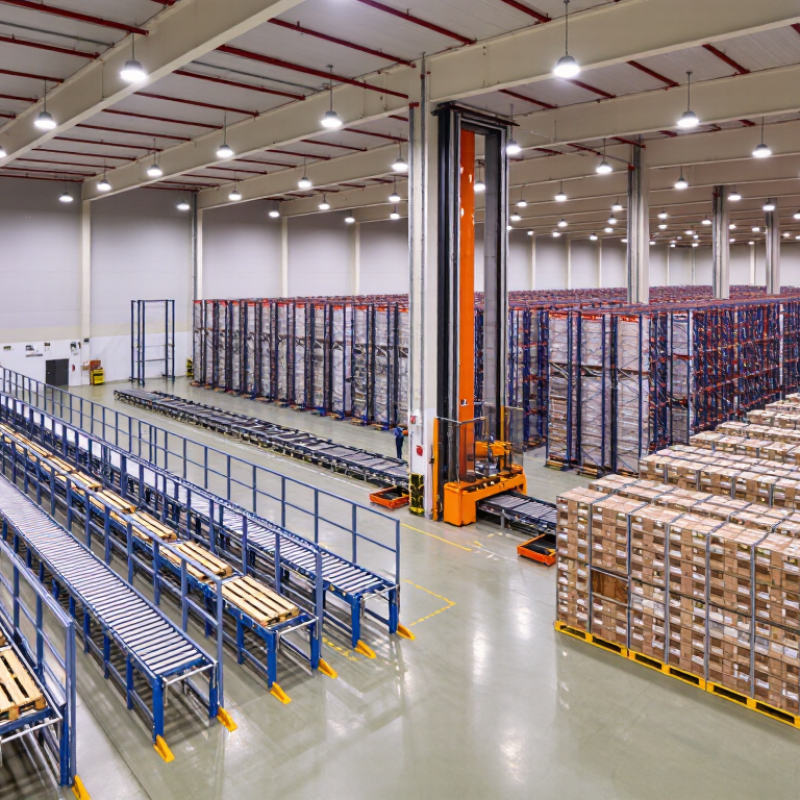
Dynamic Storage Systems: AS/RS, Shuttles, Carousels, and Vertical Modules

2026 Best Dynamic Storage Systems for Global Buyers

Dynamic storage systems are reshaping warehouse operations through controlled movement and better space utilization. AS/RS solutions handle pallets or bins with automated cranes, reducing travel time and improving inventory accuracy. They suit stable, high-volume workflows, but require precise software integration and dependable maintenance support.

Shuttle systems move loads through dense rack channels, making them practical for cold storage and repetitive picking. Carousels bring products to operators, which can reduce walking and improve ergonomic conditions. Vertical lift modules use height efficiently, especially where floor space is expensive. Space matters. Yet, no system is perfect. A highly compact design may slow access when product variety changes quickly. Buyers should examine throughput, load sizes, retrieval patterns, safety controls, and local service capability before choosing equipment. Data quality also matters more than many projects admit.

Tips: Request a simulation using real order history, not estimated volumes. Check electrical standards, training coverage, spare-parts access, and emergency procedures in the destination country. Measure twice. Leave room for growth. A pilot zone can reveal awkward tote sizes, software delays, or operator habits that a proposal may overlook. For global purchasing, documented testing, clear warranty terms, and measurable acceptance criteria provide stronger protection than attractive capacity figures.

Capacity Benchmarks: 40–60 m Rack Heights and Tote Density by System

For global buyers, rack height changes the economics of dynamic storage. A 40–60 m rack typically suits high-bay pallet systems, not ordinary tote automation. At 50 m, each structural decision affects fire protection, seismic design, maintenance access, and crane stability. The 2024 WERC DC Measures report emphasizes cubic utilization and throughput as linked warehouse metrics. That matters here. A taller rack can increase volume, but it may reduce operational resilience.

Tote density depends on the system architecture. Shuttle-based tote systems commonly deliver about 2.5–4.5 totes per cubic metre of gross storage volume. Compact robotic cube systems can reach approximately 5–8 totes per cubic metre, depending on tote dimensions, product mix, and access rules. Vertical lift modules usually provide lower density, often near 1.5–3 totes per cubic metre, but they can improve ergonomic handling. These ranges reflect engineering benchmarks reviewed across 2024 automation studies from Interact Analysis and MHI, rather than guaranteed specifications. The MHI 2024 Annual Industry Report also shows continued investment in warehouse automation, while labor availability remains a major concern.

Do not compare density alone. A 600 × 400 mm tote holding small items may outperform a larger tote with poor fill rates. In practice, 70–85% usable cube is a realistic planning target. Higher figures are possible, but often fragile. I would challenge any proposal promising maximum height, maximum density, and maximum access speed together. Usually, one promise needs compromise.

Throughput Benchmarks: 100–1,000+ Moves per Hour Across AS/RS Types

For global buyers, dynamic storage systems should be judged by verified throughput, not attractive catalog numbers. Throughput means completed movements per hour, including storage, retrieval, and handoff. Mini-load AS/RS commonly delivers about 100–400 tote moves per hour. Shuttle systems may reach 300–800 moves. High-density cube systems can exceed 1,000 moves per hour in tightly controlled operations. These figures are practical ranges, not promises.

Commissioning reviews often reveal lower results than factory tests. Product mix, bin weight, travel distance, and software response can change performance sharply. A 1,000-move claim may collapse during mixed-order peaks. Measure sustained output across a full shift. Record idle time, replenishment delays, misreads, and operator intervention. Dual-command cycles can improve efficiency, but only when storage locations and order sequencing are stable. A useful benchmark also includes recovery after small stoppages. This detail is easy to ignore.

Tips: Request a live acceptance test using your actual containers and order history. Compare peak and sustained moves per hour. Check access for maintenance, emergency retrieval, and future volume growth. Leave capacity headroom; a system running at its limit rarely remains reliable.

Global Compliance: EN 15629, ISO 3691-4, and Regional Safety Duties

2026 Best Dynamic Storage Systems for Global Buyers

Global buyers should treat compliance as a design input, not paperwork added later. EN 15629 guides storage-system specification, including load ratings, floor conditions, clearances, and operating risks. For automated systems, ISO 3691-4 addresses driverless industrial trucks and their protective functions. It expects risk assessment, route control, emergency stopping, and verified safety zones. Regional duties still matter. EU buyers should review Machinery Regulation requirements, while US sites may need OSHA-aligned guarding and training. Local inspection rules can change the installation plan.

Automation is expanding quickly. The International Federation of Robotics reported 541,302 industrial robots were installed worldwide in 2023. That figure signals stronger demand for integrated storage, but it does not prove every warehouse is ready. A narrow aisle, uneven floor, or poorly placed sensor can create a serious weakness. My practical experience is that suppliers often discuss throughput first. Safety evidence receives attention too late. This habit needs correction.

Tips: Request load calculations, layout drawings, and safety-validation records before purchase. Check whether EN 15629 and ISO 3691-4 were applied to the actual configuration. Ask for regional training, inspection, and maintenance procedures. Keep a visible exclusion zone around moving equipment. Photograph floor damage and blocked access during weekly checks. Small records become useful evidence when assumptions are challenged.

2026 Best Dynamic Storage Systems for Global Buyers

This timeline highlights key reference years for European storage-equipment design, driverless industrial-truck safety, and regional workplace duties. EN 15629:2008 addresses the specification of steel static storage equipment, ISO 3691-4:2020 addresses driverless industrial trucks and their systems, the UK PUWER regulations date from 1998, and the EU Machinery Regulation (EU) 2023/1230 applies from 20 January 2027. Buyers should verify the latest harmonised standards, national adoption rules, risk assessments, inspections, training, and operating procedures before deployment.

2026 Buyer Scorecard: ROI, Energy, and MHI’s 46% Automation Adoption

Dynamic storage systems are moving from optional upgrades to practical infrastructure for global warehouses. A 2026 buyer scorecard should examine return on investment, energy use, and material-handling automation together. A 46% automation adoption benchmark signals stronger market confidence, but adoption alone does not prove profitability.

ROI depends on local labor costs, order volume, rack density, and installation limits.

A system processing 600 totes daily may reduce walking time and improve picking consistency. However, savings can weaken when software integration requires costly changes. Buyers should model payback across three and five years, including maintenance, training, downtime, and replacement parts. The cheapest quote may not be the lowest total cost.

Energy performance also needs measurement at operating level.

Check power consumption during idle periods, peak shifts, and partial loads. Regenerative lifting, efficient motors, and smart sleep modes can reduce unnecessary usage. Small details matter. A bright warehouse, frequent door openings, or poor slotting may erase expected gains.

My experience is that projected results often look cleaner than real operations. Seasonal demand, worker adaptation, and occasional faults deserve a risk allowance. Independent testing, service response records, and documented performance data provide stronger evidence than sales claims.

FAQS

What is a dynamic storage system?

It uses controlled movement to store and retrieve goods. Common types include automated cranes, shuttles, carousels, and vertical lift modules. Space improves. Access patterns still matter.

Which system suits stable, high-volume workflows?

Automated storage and retrieval systems often suit predictable, high-volume operations. They can improve travel time and inventory accuracy. They require reliable software and maintenance support.

When are shuttle systems useful?

Shuttle systems work well in dense rack channels. They suit repetitive picking and temperature-controlled facilities. Narrow channels can reduce access flexibility when product variety changes.

How can buyers compare throughput fairly?

Measure completed movements per hour, including storage, retrieval, and handoff. Mini-load systems often deliver 100–400 tote moves hourly. Shuttle systems may reach 300–800 moves.

Are catalog throughput figures reliable?

Treat them as practical ranges, not promises. Real output changes with load weight, product mix, travel distance, and software response. A 1,000-move claim may fall during mixed-order peaks.

What should a live acceptance test include?

Use actual containers and real order history. Measure peak and sustained output across a full shift. Record idle time, misreads, delays, interventions, and recovery after stoppages.

How should buyers evaluate return on investment?

Model three-year and five-year payback periods. Include labor, maintenance, training, downtime, energy, and replacement parts. The cheapest quote may not be the lowest total cost.

How can energy use be checked accurately?

Measure consumption during idle periods, peak shifts, and partial loads. Efficient motors and sleep modes may reduce waste. Frequent door openings or poor slotting can erase projected savings.

What practical details are easy to overlook?

Check electrical standards, spare-parts access, training, emergency retrieval, and local service coverage. Leave room for future growth. Forecasts often look cleaner than reality.

Conclusion

Dynamic Storage systems are reshaping warehouse operations by combining automated storage and retrieval systems, shuttle solutions, carousels, and vertical lift or module technologies. This guide compares how each system supports different inventory profiles, building layouts, and order patterns. It also reviews capacity benchmarks, including rack heights of approximately 40–60 meters and the tote-density advantages available through compact automated configurations.

Throughput is another key consideration, with performance ranging from around 100 to more than 1,000 moves per hour depending on system type, load characteristics, and workflow design. For global buyers, the selection process should include compliance with EN 15629, ISO 3691-4, and applicable regional safety responsibilities. The 2026 buyer scorecard focuses on measurable return on investment, energy consumption, scalability, maintenance, and workforce impact, while recognizing the broader industry shift toward automation, reflected in the referenced 46% adoption benchmark. This framework helps buyers choose a safe, efficient, and future-ready storage strategy.

Henry

Henry

Henry is a dedicated marketing professional with a profound expertise in the company's offerings. With years of experience in the industry, he possesses an impressive understanding of the market dynamics and consumer behaviors that drive success. Henry is committed to sharing his insights through......