Industrial shelving plays a crucial role in optimizing storage solutions across various sectors. A recent report from the Material Handling Industry of America stated that effective warehouse shelving can improve space utilization by up to 30%. This statistic highlights the importance of selecting the right shelving systems for maximum efficiency.
In many industrial settings, improper shelving choices lead to clutter and inefficiencies. Companies often underestimate the impact of well-organized storage. Reports indicate that 70% of warehouse employees spend time searching for items due to poor shelving arrangements. This lost productivity can severely affect profitability.
Additionally, businesses must consider different shelving types, such as steel or wire, depending on their specific needs. Each type has its advantages and limitations. Industrial shelving systems require careful planning and implementation. A poorly executed shelving strategy can result in wasted space and increased operational costs. By focusing on effective shelving solutions, companies can truly enhance their storage capabilities and overall efficiency.
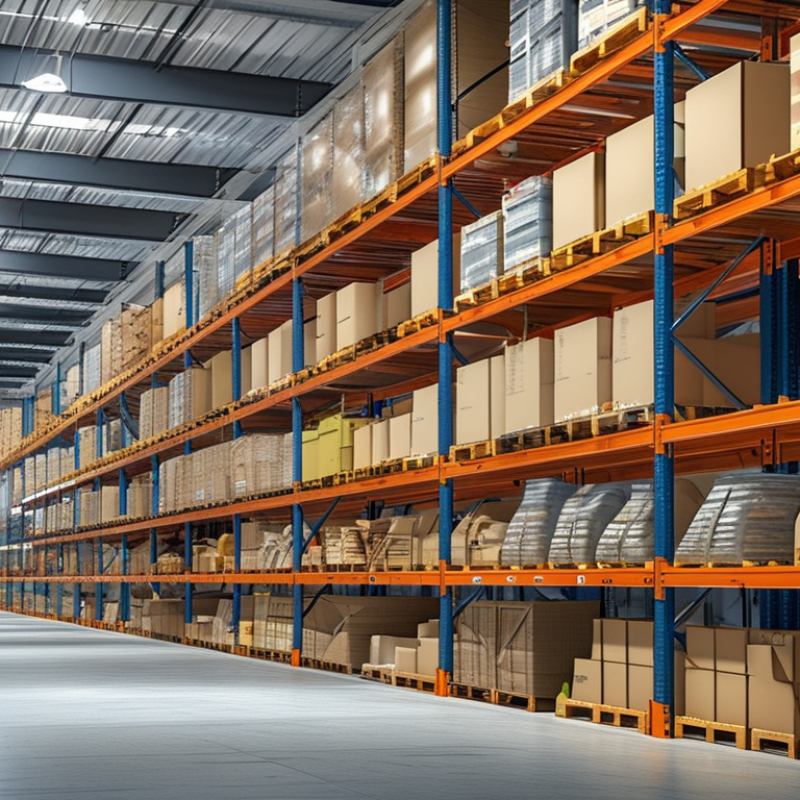
Understanding your storage needs is crucial for effective industrial shelving solutions. Each facility has unique requirements based on inventory types, space constraints, and workflow processes. According to a report by the Warehousing Education and Research Council, optimizing storage can increase efficiency by up to 30%. By analyzing your specific operations, you can tailor your shelving system to serve you best.
Assess the dimensions of your products. Know whether you need adjustable shelves or fixed units. Metal shelving provides strength, while wood might suit lighter items. Did you know that 40% of warehouses lack proper space utilization? This shortcoming can lead to chaos and inefficiency. Adjusting shelving heights or integrating mobile shelving can enhance accessibility and organization.
Tips: Invest in quality shelving to avoid frequent replacements. Conduct regular evaluations to ensure your system meets changing demands. Create clear labeling systems to make retrieving items easier. With these strategies, you can create a functional workspace that adapts as your business grows, taking complexity into account.
Choosing the right material for industrial shelving significantly impacts durability and efficiency. Steel shelving is a popular choice. It's robust and can hold heavy loads. In fact, a study by the Material Handling Industry of America states that steel shelving can support up to 3,000 pounds per shelf. This strength is vital for warehouses and manufacturing facilities.
However, steel can be prone to rust if not properly coated. Alternative materials like plastic or wood may offer weight savings and resistance to rust. Plastic shelves, while lighter, typically support less weight, around 400-600 pounds. They are ideal for lighter items or environments needing hygiene, such as food processing units.
Moreover, the type of finish on shelving affects lifespan. Powder-coated finishes resist scratches and corrosion better than painted finishes. Also, consider the environment. Humid areas need better protection against moisture. Investing in quality materials may incur higher initial costs, but it leads to longer-lasting solutions. According to the National Institute of Standards and Technology, inefficient storage solutions can lead to a potential loss of 20-30% productivity. Proper material selection optimizes space and improves overall efficiency.
| Material Type | Durability Rating | Weight Capacity (lbs) | Ideal Use Case | Maintenance Level |
|---|---|---|---|---|
| Steel | High | 2000 | Heavy storage, warehouses | Low |
| Wood | Medium | 1500 | Light to medium storage, display | Medium |
| Plastic | Low | 500 | Lightweight items, retail | Low |
| Aluminum | Medium | 1200 | Corrosive environments | Medium |
| Wire Mesh | Medium | 800 | Ventilated storage, freezers | Low |
Vertical shelving configurations can maximize space utilization in industrial settings. According to a report by the Material Handling Industry, up to 50% of warehouse space remains underutilized due to poor shelving arrangements. By implementing vertical solutions, businesses can make full use of their height capacity.
Horizontal shelving, while effective for accessibility, often leads to wasted cubic footage. A mix of both configurations can optimize storage. For instance, placing heavy items on lower shelves while utilizing higher shelves for lighter goods can enhance safety and efficiency.
Tip: Regularly assess your shelving layout. Conduct audits to identify underused areas. This reflection can lead to better utilization and improved workflows. Remember, adjusting configurations may feel counterintuitive but can fundamentally change your storage efficiency. Another tip: leverage mobile shelving options if flexibility is needed. They can adapt to changing inventory needs, ensuring optimum space management.
Implementing safety standards in industrial shelving practices is crucial for protecting both employees and inventory. Start by ensuring that all shelving units are made from quality materials. Regular inspections for wear and tear can prevent accidents. It’s essential that shelves are anchored securely. This prevents tipping, which can cause injuries.
Tips for effective storage solutions include keeping aisles clear. This practice allows easy access to materials and promotes safety. Consider labeling shelves clearly. Labels help workers quickly locate items, reducing time spent searching. It's also advisable to store heavy items on lower shelves. This minimizes the risk of strain or falls when retrieving goods.
Education and training play vital roles. Employees should understand how to use shelving systems correctly. Engage workers in safety drills. Active participation reinforces the importance of safety standards. Adaptability is key. Regularly review shelving practices to meet evolving safety regulations. Reflection on past incidents can unveil unexpected risks, fostering a culture of safety in the workplace.
This chart displays the effectiveness of different industrial shelving tips based on implementation success rates. As observed, regular inspections and adherence to safety standards yield the highest level of efficiency in storage solutions.
When it comes to industrial shelving systems, proper maintenance is crucial for longevity. Regular inspections can prevent small issues from becoming significant problems. Check for signs of rust or corrosion, especially in metal shelving. A quick wipe-down with a cloth can extend the life of your shelves. Keep an eye out for loose bolts and screws; a simple tightening can enhance stability.
Cleaning is essential in any maintenance routine. Dust and debris can accumulate quickly, affecting both appearance and functionality. Clean the shelves weekly to maintain a pristine environment. Use the appropriate cleaning solutions that won’t damage the material. Avoid abrasive cleaners that may scratch surfaces.
Equally important is to assess the load capacity regularly. Overloading shelves can lead to structural failure. It’s wise to review weight limits and reorganize as needed. Unexpected collapses can be dangerous, so reevaluating your shelving arrangements is necessary. This helps ensure safety and efficiency, fostering a reliable storage system.
: Vertical shelving maximizes space utilization, making full use of height capacity in warehouses.
Horizontal shelving is accessible but can lead to wasted cubic footage if not arranged wisely.
Place heavy items on lower shelves and lighter goods on higher ones for safety and efficiency.
Regular audits can identify underused areas, leading to better utilization and improved workflows for storage.
Implementing safety standards protects employees and inventory, minimizing risks of injury and accidents.
Securely anchoring shelving units and regularly inspecting for wear can prevent tipping and accidents.
Cleaning shelves weekly helps maintain functionality and appearance, preventing issues caused by dust and debris.
Regular checks for rust, loose bolts, and adherence to load capacities can ensure longevity and safety.
Education through training and safety drills engages workers and reinforces the importance of safe shelving practices.
Regularly reviewing shelving practices helps meet evolving safety regulations and addresses unforeseen risks.
Industrial shelving plays a crucial role in enhancing storage efficiency within industrial settings. To effectively implement industrial shelving solutions, it is essential to first understand specific storage needs, ensuring that the chosen configurations can accommodate various materials and products. Selecting the right material is vital for ensuring durability and stability, which can significantly impact the longevity of the shelving system.
Additionally, optimizing space through vertical and horizontal shelving configurations allows for maximizing storage potential while minimizing floor area usage. It's equally important to adhere to safety standards in industrial shelving practices to protect workers and assets. Lastly, regular maintenance tips can help sustain the effectiveness of industrial shelving systems over time, ensuring they continue to meet operational demands efficiently.

Ebil Metal