China Best Warehouse Optimization for Global Buyers?

Time:2026-10-02 Author:Sienna
0%

China has become a major sourcing base for global buyers. Yet product quality alone cannot secure reliable delivery. Warehouse Optimization connects receiving, storage, picking, packing, and dispatch into one measurable system.

Dr. Michael ten Hompel, a respected logistics researcher and former managing director of Fraunhofer IML, has said, “The warehouse is the heart of logistics.” His view reflects a practical truth. A warehouse is not merely a room filled with cartons. It is a control point for inventory accuracy, order speed, labor safety, and customer trust.

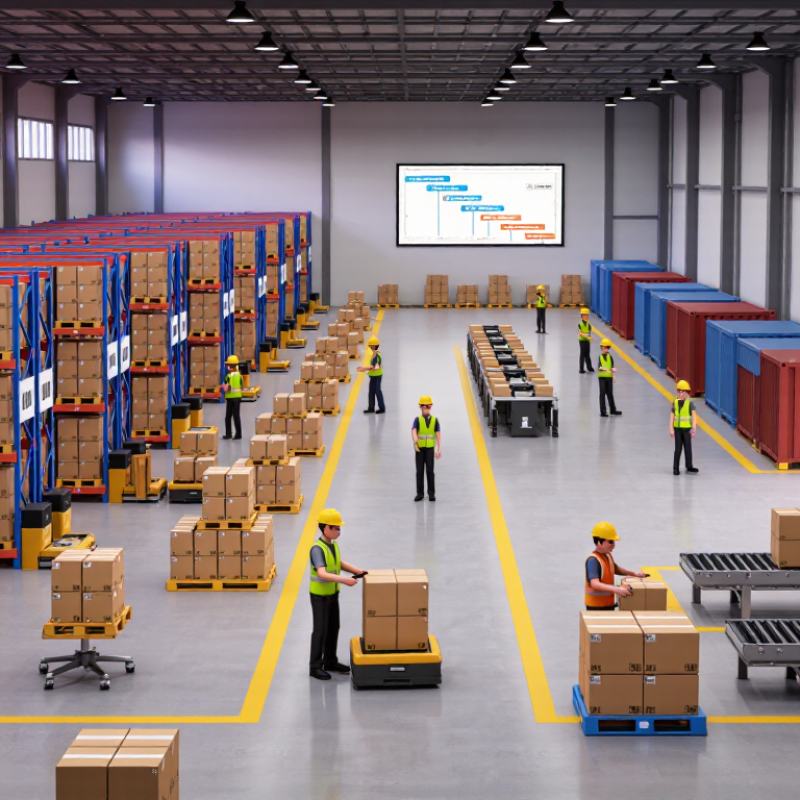
In China, strong warehouse optimization may begin with simple details. Fast-moving products should sit near packing stations. Barcode scans should confirm every movement. Clear aisle markings can reduce walking errors. A suitable warehouse management system can reveal slow stock and delayed orders. Dock schedules also matter when containers arrive during busy periods.

Automation can help, but it is not always the best first investment. A buyer should examine order profiles, seasonal demand, return rates, and supplier performance. Site visits, sample order testing, and transparent operating data provide stronger evidence than attractive presentations. No layout is perfect. Conditions change. Some facilities may still depend heavily on manual work, and that can create inconsistency. This weakness deserves honest review, not decoration.

The best warehouse optimization partner for global buyers is therefore not simply the largest Chinese operator. It is the one that documents processes, measures results, protects product integrity, and improves carefully over time. That approach supports dependable fulfillment without ignoring practical limitations.
China Best Warehouse Optimization for Global Buyers?

Warehouse Optimization in China: What Global Buyers Need to Know

Warehouse Optimization in China: What Global Buyers Need to Know

China’s warehouse strength is not only its scale. It is the coordination of ports, highways, suppliers, and dense manufacturing clusters. The 2023 World Bank Logistics Performance Index ranked China 19th among 139 economies, with a score of 3.7. That performance still varies sharply by city. A warehouse near a major port may reduce export handling, but it can increase rent and labor costs. Buyers should compare total landed cost, not storage fees alone. China’s 2024 logistics report from the China Federation of Logistics and Purchasing recorded a logistics-cost-to-GDP ratio of about 14.1%. Efficiency remains possible, but waste has not disappeared.

Practical optimization begins with accurate inventory data. Use barcode scanning, location-level stock records, and clear receiving procedures. Map fast-moving products close to packing stations. Keep slow-moving goods away from valuable pick faces. Cross-docking can reduce storage time when purchase orders are stable. It becomes risky when supplier schedules change. In warehouse assessments, I often find full dashboards hiding inaccurate counts. That is an expensive weakness. Automation also needs restraint. The 2024 MHI Annual Industry Report identified robotics and automation as a major investment area for supply-chain companies, but equipment does not repair poor data. Global buyers should test integration, power reliability, maintenance response, and export documentation before signing long contracts. A small pilot is less impressive. It is usually more honest.

How to Assess Storage, Inventory, and Fulfillment Requirements

China warehouse optimization begins with a clear storage assessment. Measure usable pallet positions, shelf heights, aisle width, and loading access. Do not rely only on the warehouse’s advertised capacity. A simple floor check often reveals blocked zones, poor lighting, or unused vertical space. Record carton dimensions and handling needs for every major SKU. Small packaging differences can change storage costs significantly.

Inventory requirements should reflect sales speed, supplier lead time, and seasonal demand. Separate fast-moving items from slow stock, then review safety levels every month. Cycle counts are more reliable than waiting for a yearly stocktake. Compare physical quantities with system records and investigate every unexplained variance. Forecasts will be wrong sometimes. That is normal, but repeated stockouts usually indicate weak planning or delayed data.

Fulfillment performance needs practical testing. Track receiving time, order accuracy, picking speed, packing quality, and dispatch cut-off compliance. Ask the warehouse to process sample orders using real carton sizes and shipping rules. Check whether workers can locate products without excessive walking. Returns also require space, inspection procedures, and clear status labels. A warehouse may appear efficient during quiet periods, yet struggle badly during peak weeks. Review recent performance records, staffing plans, inventory reports, and corrective actions before approving the operating model.

Choosing the Right Warehouse Location, Layout, and Operating Model

For global buyers, warehouse optimization in China starts with location, not software. A site near a major port can shorten inbound transport, but land costs and congestion may increase. Inland facilities often offer larger footprints and lower rent. They need reliable highways, rail links, and stable labor access. Map suppliers, destination markets, seasonal volumes, and delivery promises before signing. A two-hour saving on inbound freight means little if outbound routes remain slow. Check flood risk, power capacity, and local operating restrictions in person.

Layout should follow product movement. Place receiving docks beside inspection and put fast-moving stock near picking stations. Keep quarantine, returns, packing, and dispatch physically separated. Use clear aisle widths for the chosen equipment, not an ideal drawing. Measure walking distance during a peak shift. Small details matter. A misplaced carton rack can create hundreds of extra steps each day. Leave expansion space, though this is where plans often fail; unused space can become expensive clutter. Test the layout with real cartons before construction.

The operating model should match control needs and order variability. An in-house team may provide stronger process control, but it requires hiring, training, safety management, and backup coverage. A qualified logistics partner can scale faster, while service quality depends on transparent data and agreed performance measures. A hybrid model may work for regulated inventory, high-value goods, or urgent orders. Track inventory accuracy, dock-to-stock time, picking errors, order cycle time, and damage rates every week. Do not trust a single monthly average. It can hide bad shifts and recurring seasonal bottlenecks.

Using Technology to Improve Inventory Accuracy and Order Processing

China Best Warehouse Optimization for Global Buyers?

Using Technology to Improve Inventory Accuracy and Order Processing

Warehouse optimization begins with trustworthy inventory data. In China, many export warehouses handle thousands of cartons across several storage zones. Manual updates can create small errors that become expensive during peak seasons. A digital warehouse management system records receiving, put-away, picking, and dispatch activities in one workflow.

Barcode scanning gives each carton a clear identity. Staff can confirm the product code, quantity, location, and batch before moving goods. Real-time dashboards also show misplaced stock and delayed orders. Simple alerts help supervisors react before a buyer receives incomplete information. Small details matter. A wrong shelf label can disrupt an entire shipment.

Order processing improves when systems connect inventory with picking instructions. Workers can follow optimized routes instead of searching through crowded aisles. Packing stations may use weight checks and photo records to verify each parcel. These steps create useful evidence for quality reviews and buyer communication. However, technology is not perfect. Poor data entry, damaged labels, or weak staff training can still reduce accuracy. A warehouse should test new workflows with a limited product group first, then adjust the process using actual error records. Regular cycle counts remain necessary, even with automated tracking. No system replaces careful supervision.

Measuring Warehouse Performance, Costs, and Scalability

China Best Warehouse Optimization for Global Buyers?

Measuring Warehouse Performance, Costs, and Scalability

A warehouse is not efficient because it looks full and busy. Measure inventory accuracy, order cycle time, picking errors, and dock-to-stock hours every week. These figures reveal delays that photos and sales presentations cannot show. Track storage utilization carefully. Excessive density may reduce rent, but it can slow picking and increase damage. Compare labor, packaging, equipment, storage, and handling costs per order. A low unit cost is meaningless when returns and rework remain hidden.

Tips: Use one shared dashboard. Record peak-day results. Test sample orders. Ask for recent operational data, not only standard targets. Review at least three months of performance before making a decision.

Scalability needs practical testing. Request a volume simulation for seasonal demand, new product sizes, and faster delivery windows. Check whether the facility has extra packing stations, trained workers, flexible shelving, and reliable system integration.

Our first assessment once favored maximum space utilization, yet congestion appeared during a demand spike. That mistake was useful. It showed why capacity should include movement space, labor availability, and recovery time. Buyers should also inspect counting procedures, exception handling, and reporting frequency. Good data is not always perfect, but unexplained gaps deserve attention.

FAQS

How should storage capacity be assessed?

Measure usable pallet positions, shelf heights, aisle width, and loading access. Do not trust advertised capacity alone. A floor check may reveal blocked zones, dim lighting, and unused vertical space. Record carton sizes and handling needs for major products.

Why do small packaging differences matter?

A slightly taller carton may require a different shelf position. That change can increase storage costs and handling time. Measure real cartons, not estimated dimensions. Small details matter.

How should inventory levels be planned?

Review sales speed, supplier lead time, and seasonal demand. Separate fast-moving products from slow stock. Adjust safety levels monthly. Forecasts will be wrong sometimes. That is normal, but repeated stockouts suggest weak planning.

What inventory counting method is most useful?

Use regular cycle counts instead of relying only on annual stocktakes. Compare physical quantities with system records. Investigate every unexplained difference. One missing carton may indicate a wider data problem.

Which fulfillment measures should be tested?

Track receiving time, order accuracy, picking speed, packing quality, and dispatch compliance. Use sample orders with real carton sizes and shipping rules. Check whether workers locate items without excessive walking. Photos cannot show this.

How should returns be included in warehouse planning?

Reserve space for returned products, inspections, and status labels. Separate awaiting-inspection items from approved inventory. Clear labels prevent accidental resale or restocking. Returns are easy to overlook.

Which costs should be measured per order?

Compare labor, packaging, equipment, storage, and handling costs. Include returns, damage, and rework. A low unit cost may hide expensive corrections. The cheapest figure is not always the best figure.

How can warehouse scalability be tested?

Request volume simulations for seasonal demand and new product sizes. Check extra packing stations, trained workers, flexible shelving, and system integration. Review peak-day results, not only average performance. Maximum density once looked attractive, but congestion appeared during a demand spike. That mistake was useful.

Conclusion

Warehouse Optimization in China is essential for global buyers seeking reliable storage, efficient fulfillment, and sustainable supply chain growth. The process begins with assessing product characteristics, inventory volumes, seasonal demand, order frequency, and fulfillment expectations. These factors help determine the most suitable warehouse location, facility size, layout, storage methods, labor structure, and operating model. A well-planned warehouse should balance proximity to suppliers and customers with transportation access, operating costs, and future expansion potential.

Technology can further improve inventory accuracy and order processing through barcode or electronic tracking, real-time stock visibility, digital receiving procedures, and standardized picking and packing workflows. Global buyers should also evaluate performance using clear measures such as inventory accuracy, order cycle time, picking efficiency, storage utilization, fulfillment accuracy, operating cost per order, and scalability during demand changes. By combining practical planning, appropriate technology, and regular performance reviews, businesses can create a warehouse operation that is more accurate, responsive, cost-effective, and prepared for long-term international growth.

Sienna

Sienna

Sienna is a skilled marketing professional with a deep expertise in our company’s core products and services. With a passion for innovation and detail, she plays a pivotal role in crafting insightful blog posts that not only highlight the unique features of our offerings but also provide valuable......