In today's fast-paced global market, efficient picking solutions are essential for businesses of all sizes. The demand for streamlined operations pushes companies to adopt innovative technologies. Selecting the right picking solution impacts productivity and overall efficiency.
With a range of options available, buyers face challenges in choosing the best fit. Each solution comes with its own advantages and drawbacks. Some systems promise speed, while others focus on accuracy. It's crucial to weigh these factors against specific business needs.
Investing in the right picking solutions can lead to significant cost savings. However, businesses must carefully evaluate their current processes. Reflection on past choices can uncover hidden inefficiencies. A thoughtful approach ensures the selected solution is reliable and aligns with long-term goals.
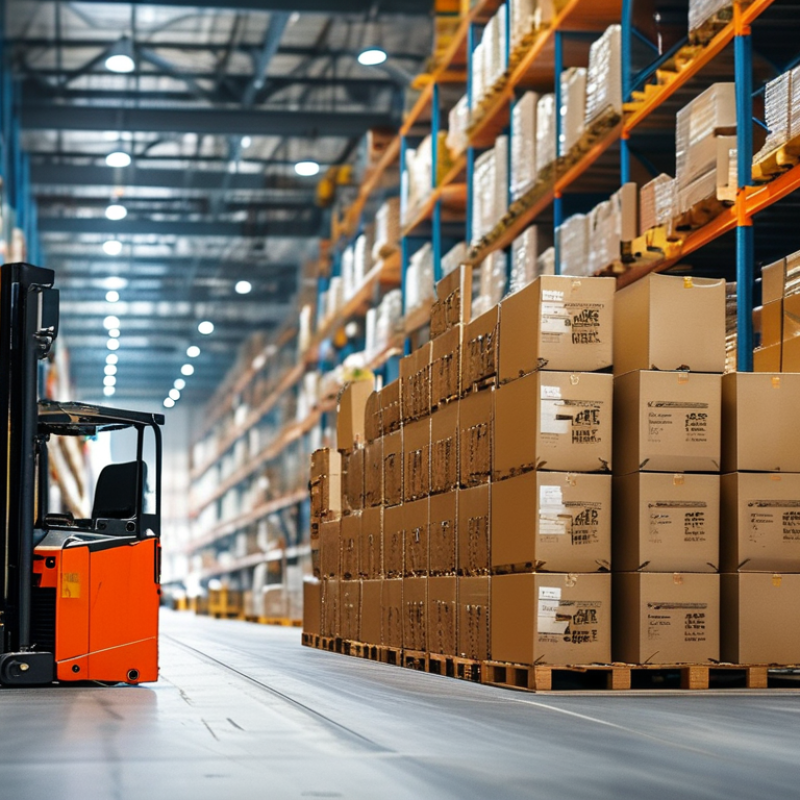
Picking solutions have become vital for global buyers aiming to enhance efficiency in supply chain management. According to a report by McKinsey, effective picking solutions can reduce operational costs by up to 30%. This significant reduction can directly influence profit margins, making it essential for businesses to invest in these technologies.
The demand for efficiency is increasing. Up to 70% of logistics costs come from warehousing operations. As e-commerce continues to rise, the complexity of order fulfillment grows. A reliable picking solution can streamline processes. It ensures faster order processing times. This capability caters to the immediate needs of consumers.
Moreover, picking accuracy is crucial. Research shows that errors in order fulfillment can lead to a 25% increase in return rates. High return rates strain resources. They can damage customer relationships. Buyers must assess innovative technologies, such as automated picking and inventory management systems. These advancements promise to enhance accuracy and reduce errors. The landscape of global commerce constantly shifts, urging buyers to adapt their approaches to picking solutions.
When selecting picking solutions, several key features must be evaluated. Efficiency is paramount. According to a report from the Warehousing Education and Research Council (WERC), companies can increase productivity by 25% through efficient picking systems. Automation technology plays a crucial role in this area. Systems utilizing automated guided vehicles (AGVs) can reduce picking time significantly.
Accuracy is another vital aspect. The same WERC report indicated that manual picking methods result in a 4% error rate, while automated systems can achieve accuracy rates above 99%. This not only reduces errors but also enhances customer satisfaction. Moreover, integrating real-time inventory management capabilities is essential. This feature ensures that stocks are always accurate and available, improving overall operational flow.
Lastly, scalability should be considered. Solutions that can adapt to changes in demand are more valuable. A report by the Gartner Group suggested that 75% of businesses have faced issues due to inflexible picking systems during peak seasons. Buyers must reflect on their long-term growth strategies and choose systems that can evolve with their needs.
When considering picking solutions, it’s essential to explore a variety of options. Different systems serve various needs, making the selection process crucial. One option is automated mobile picking systems. These systems can enhance efficiency by quickly transporting goods without manual labor.
Another alternative is pick-to-light solutions. Employees can easily locate items using illuminated displays. This method reduces search times and improves accuracy. However, the initial investment is significant. Some operations may struggle to justify this cost.
Voice-directed picking represents a modern approach as well. It allows employees to receive instructions via headsets, keeping their hands free. While it can increase productivity, the technology requires proper training and may not suit all warehouse environments. Each solution has its strengths and weaknesses. Careful consideration of these factors is necessary for optimal implementation.
Cost-effectiveness in picking solutions remains a challenge for global buyers. Recent industry reports indicate that labor costs account for about 60% of total warehouse expenses. This prompts a reevaluation of picking methods. Automation can reduce reliance on manual labor, yet initial investments are significant. For example, automated systems may show return on investment over five years, but maintenance costs are often underestimated.
Another factor to consider is the speed of order fulfillment. Research suggests that faster picking solutions can enhance customer satisfaction by 25%. However, companies must weigh this against operational costs. A hybrid approach, combining automated and manual systems, may offer a balanced solution. This can allow for flexibility in addressing fluctuating order volumes while controlling costs.
Safety is often overshadowed by other metrics, yet it remains crucial. Reports indicate that warehouses utilizing better ergonomic picking tools reduce injury-related costs by up to 30%. Investing in safety not only mitigates costs but also fosters employee morale. Finding the right picking solution is complex, and considering these various factors can significantly impact the bottom line.
The landscape of picking solutions is evolving rapidly. Innovations are changing how businesses manage inventory and fulfill orders. Robotics and automation play a crucial role in streamlining processes. These technologies reduce errors and enhance efficiency in warehouses.
One of the key trends is the integration of AI. This allows systems to learn from data and adapt to different demands. Implementing machine learning can optimize picking routes. Smart algorithms can analyze order patterns, enhancing speed and accuracy. However, these systems require careful tuning to fit specific business needs.
Mobile devices are also reshaping picking methods. Workers using handheld scanners can communicate directly with the inventory system. This real-time data exchange improves decision-making on the ground. Yet, companies must address the training gap. Employees may struggle with new technology initially, leading to potential delays. Continuous education and support are vital in this transition.
| Solution Type | Key Features | Target Industries | Innovation Focus | Potential Benefits |
|---|---|---|---|---|
| Automated Picking Systems | Robotic arms, computer vision | E-commerce, Retail | AI-driven efficiency | Reduced labor costs, increased speed |
| Voice-Directed Picking | Hands-free operation, real-time updates | Warehousing, Logistics | Improved accuracy | Enhanced productivity, lower error rates |
| Pick-to-Light Systems | Light indicators, dashboard controls | Manufacturing, Distribution | Visual guidance | Fast order fulfillment, less walk time |
| Mobile Picking Solutions | Smartphone apps, cloud integration | Retail, E-commerce | Cloud connectivity | Flexibility, accessibility |
| Autonomous Mobile Robots (AMRs) | Pathfinding technology, sensors | Warehousing, Manufacturing | Self-navigation | Labor efficiency, safety |
| Batch Picking Systems | Multi-order collection | Logistics, Retail | Throughput optimization | Reduced picking time |
| Augmented Reality (AR) Picking | Smart glasses, digital overlays | E-commerce, Warehousing | Enhanced visualization | Higher accuracy, faster training |
| Flexible Racking Systems | Adjustable shelves, modular designs | Manufacturing, Warehousing | Space optimization | Maximized storage capacity |
| Inventory Management Software | Real-time tracking, analytics | All sectors | Data-driven decisions | Improved stock control |
| Drone-Based Inventory Solutions | Automated aerial counting | Warehousing, Distribution | High-efficiency scanning | Rapid inventory assessments |
: These systems transport goods quickly. They enhance efficiency without needing manual labor.
Employees locate items using illuminated displays. This method saves search time but has high initial costs.
It uses headsets for instructions. This keeps hands free but requires training, making it not suitable for all settings.
Labor costs are about 60% of warehouse expenses. Reevaluating picking methods is necessary to control costs.
Faster solutions can boost customer satisfaction by 25%. However, they must be balanced with operational costs.
It combines automated and manual systems. This flexibility addresses fluctuating order volumes while managing costs effectively.
Ergonomic tools can reduce injury costs by 30%. Investing in safety enhances employee morale and saves money.
Initial investments are high, and maintenance costs can be underestimated. This requires careful financial planning.
Yes, they can complement automated systems. Manual methods remain vital in specific operations and help maintain flexibility.
Assess efficiency, costs, safety, and employee training. Each factor influences overall effectiveness and employee satisfaction.
Picking solutions play a crucial role for global buyers aiming to optimize their supply chain and enhance operational efficiency. Understanding the key features of these solutions is essential, as buyers must evaluate factors such as accuracy, speed, and scalability when selecting the right option. The top ten picking solutions outlined provide a comprehensive overview of various approaches available in the market, helping buyers make informed decisions based on their unique needs.
A comparative analysis of cost-effectiveness reveals the financial implications of each solution, allowing organizations to assess their return on investment. Moreover, as industries continue to evolve, future trends in picking solutions indicate a shift towards innovative technologies that promise to streamline operations further. Keeping an eye on these innovations is vital for buyers looking to remain competitive in a rapidly changing global landscape.

Ebil Metal