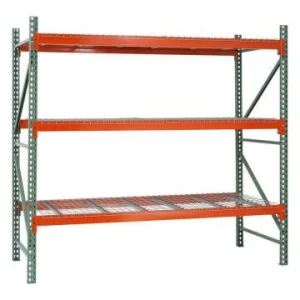
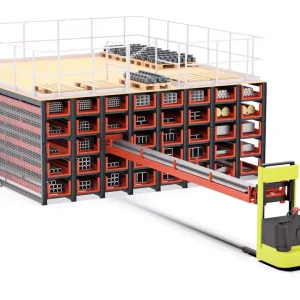
In the era of rapid e-commerce expansion, globalized supply chains, and shrinking industrial footprints, warehousing has evolved from a simple static storage utility into a dynamic node of competitive advantage. At the center of this paradigm shift is the Radio Shuttle Car (Pallet Shuttle)—a semi-automated, high-density storage solution designed to bridge the structural gap between traditional selective racking and highly capital-intensive automated storage and retrieval systems (AS/RS).
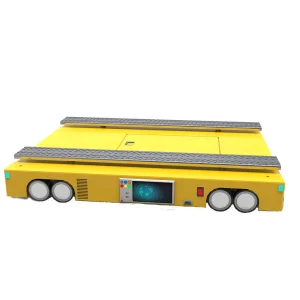
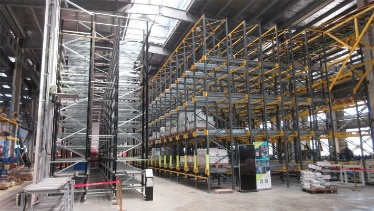
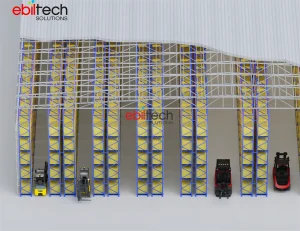
A Radio Shuttle Car operates by running along custom-profiled rails within a deep-lane racking structure, controlled remotely or integrated into a higher-level Warehouse Management System (WMS). By eliminating the need for forklifts to enter the racking lanes, this system minimizes structural damage, drastically reduces cycle times, and maximizes floor-space efficiency by using up to 85% of available cube space. Unlike standard drive-in racking, which is strictly limited to Last-In, First-Out (LIFO) configurations, the implementation of advanced radio shuttle systems allows operations to run seamlessly under both FIFO (First-In, First-Out) and LIFO strategies, depending on operational demands.
Multiple macroeconomic forces are accelerating the adoption of automated shuttle technology across global markets:
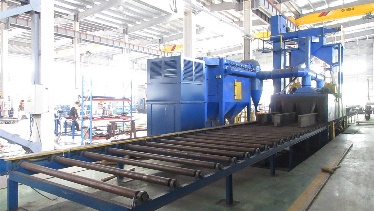
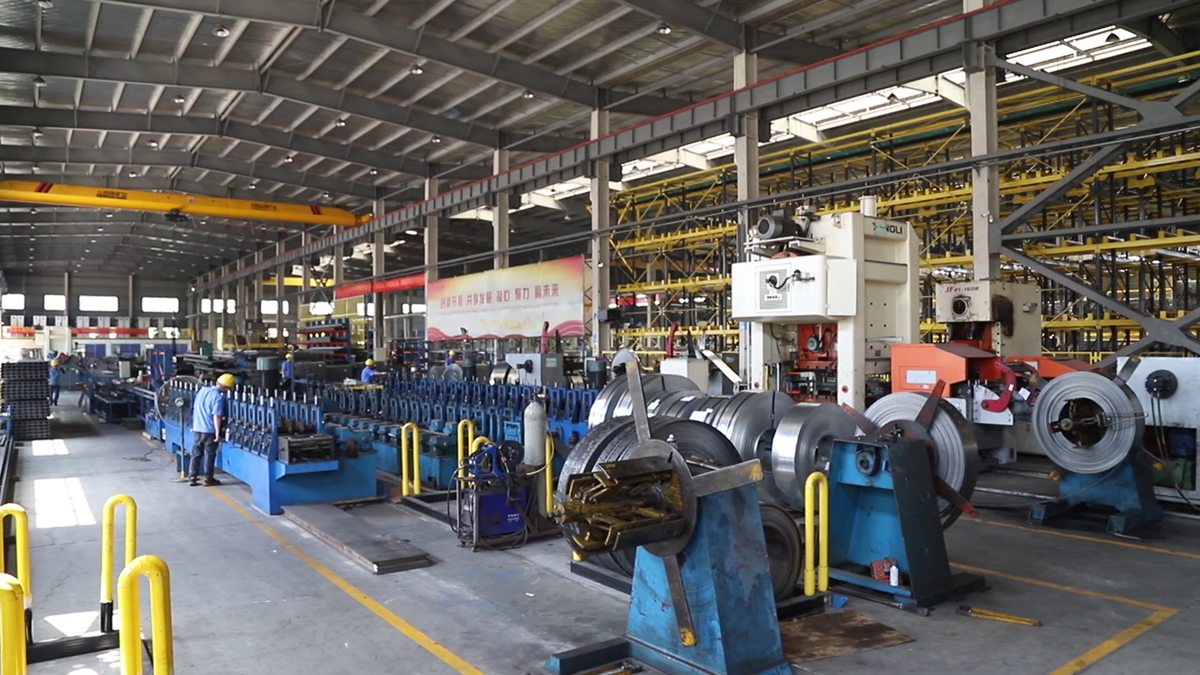
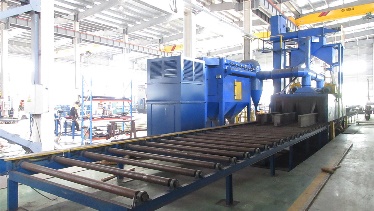
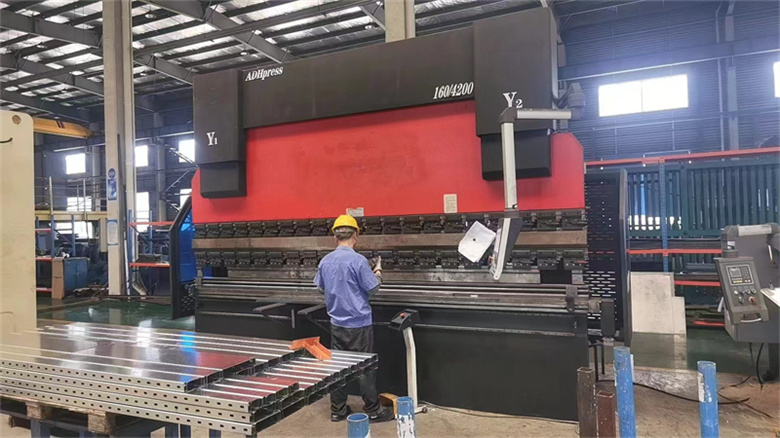
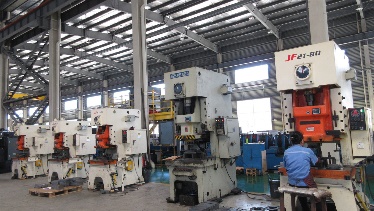
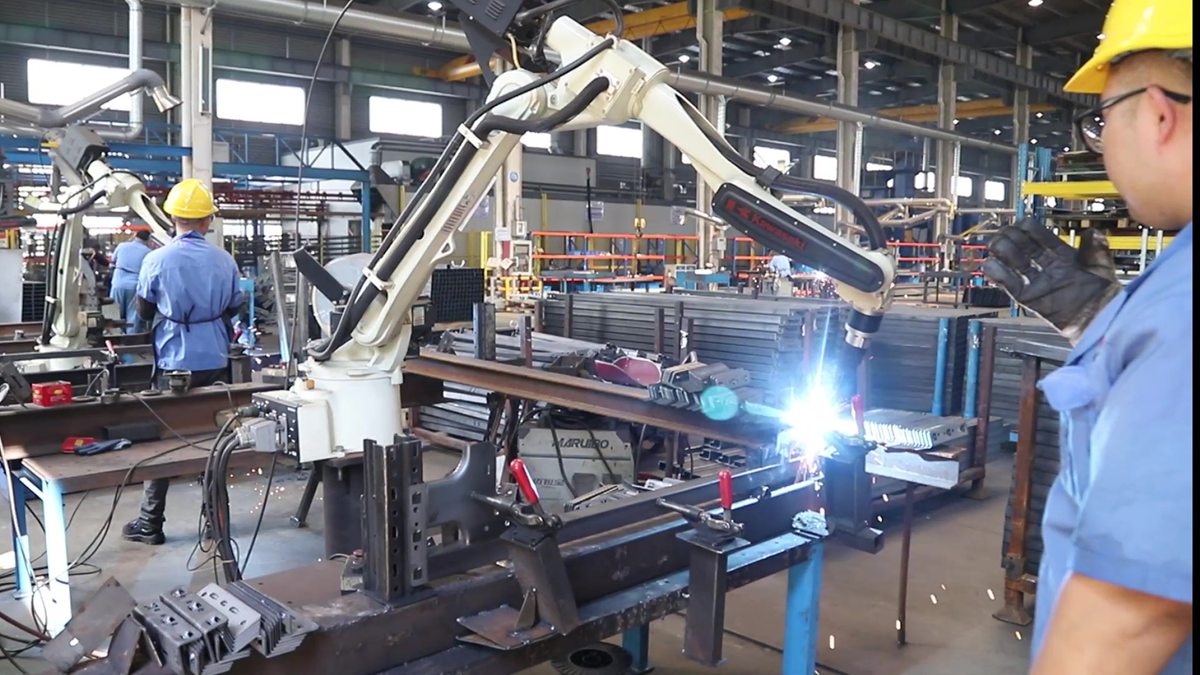
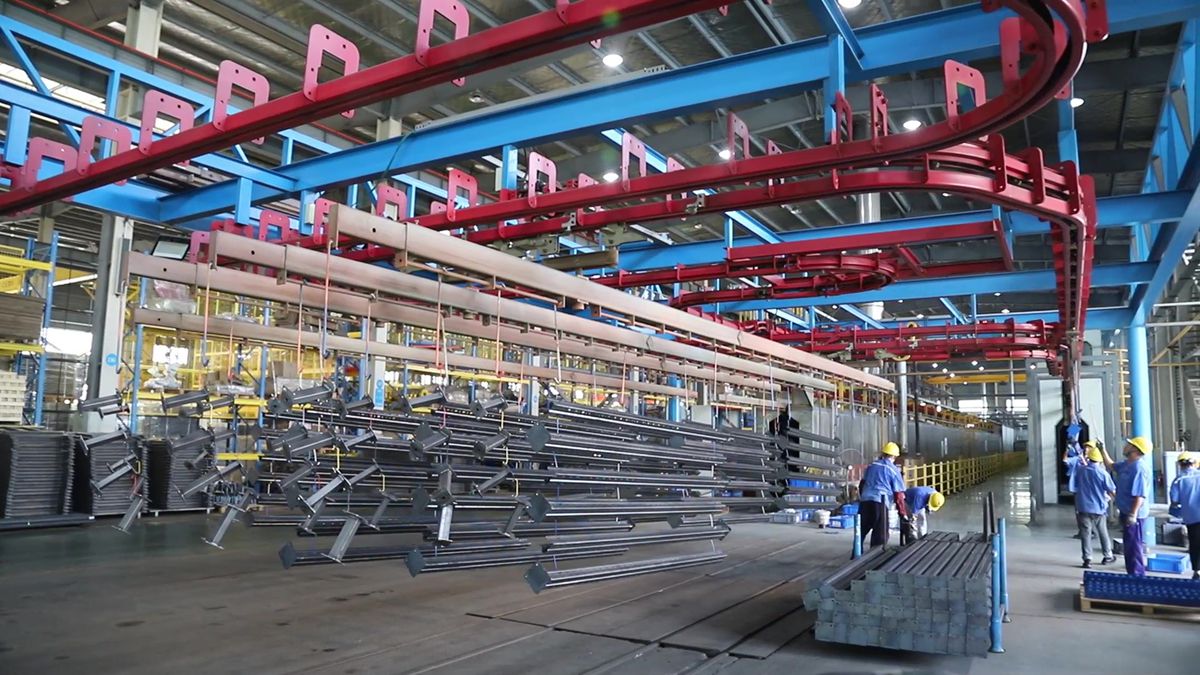
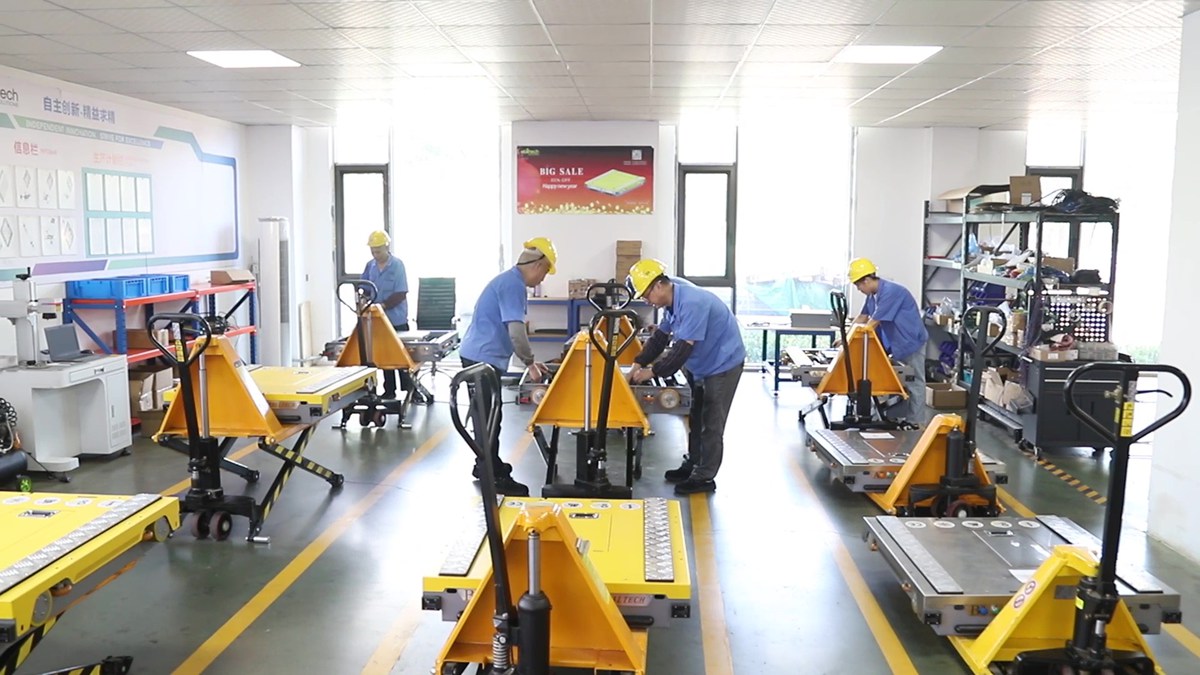
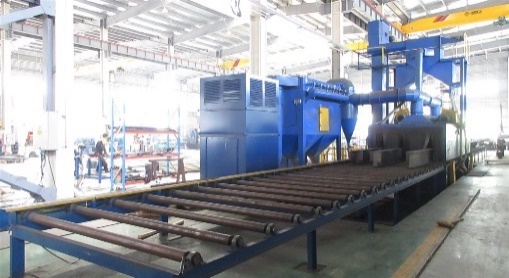
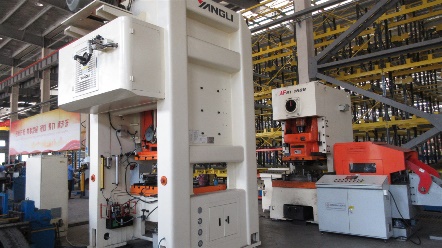
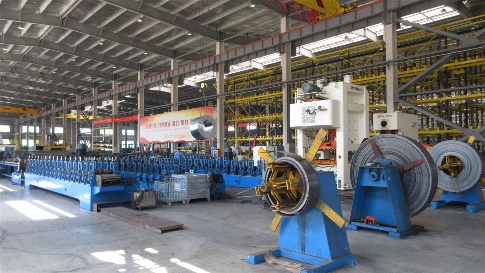
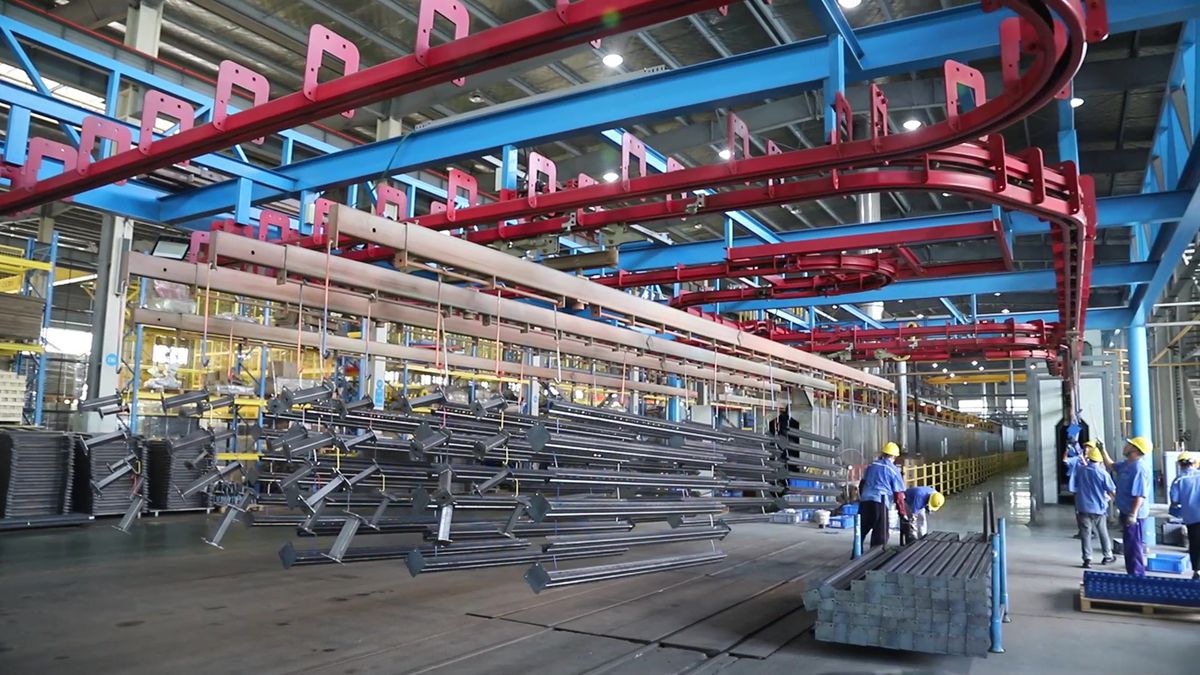
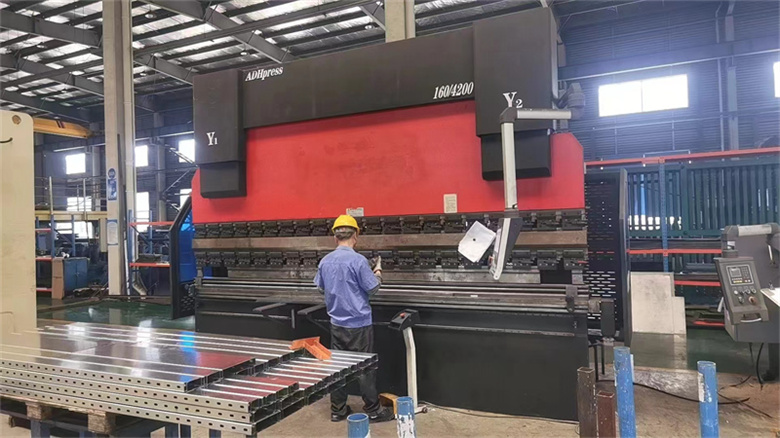
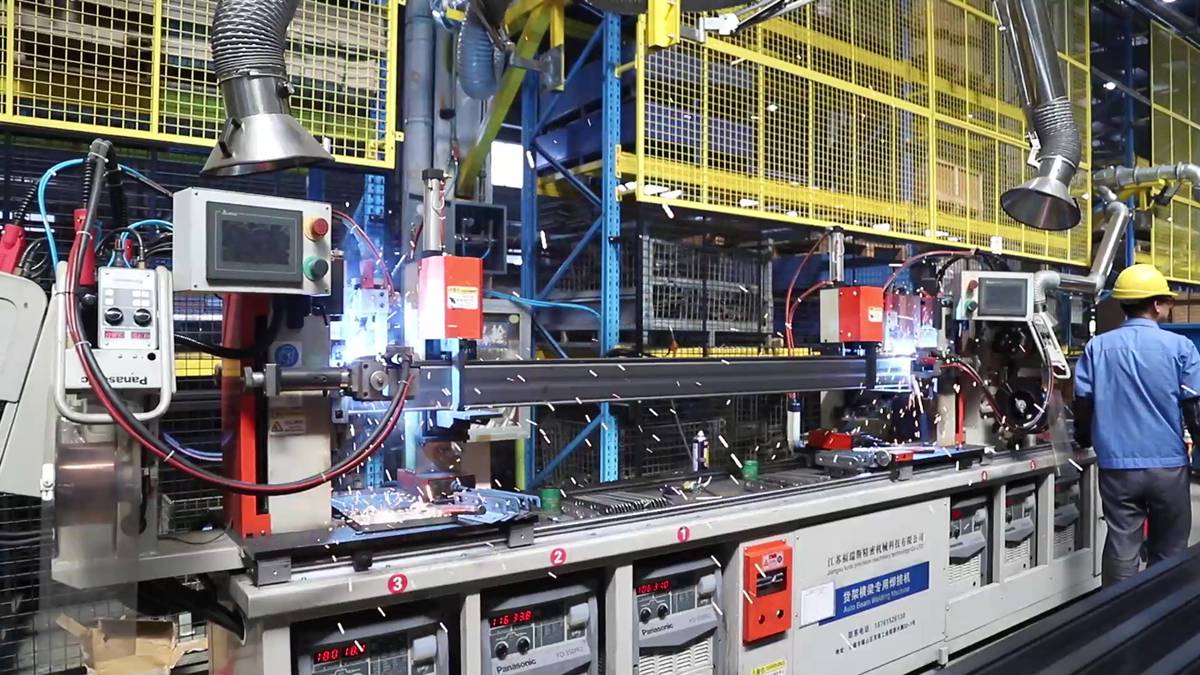
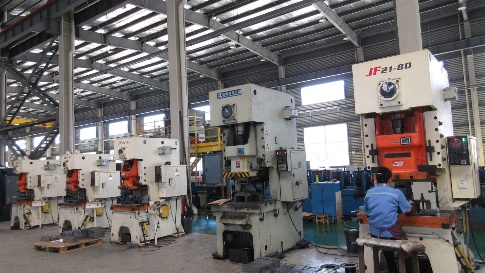
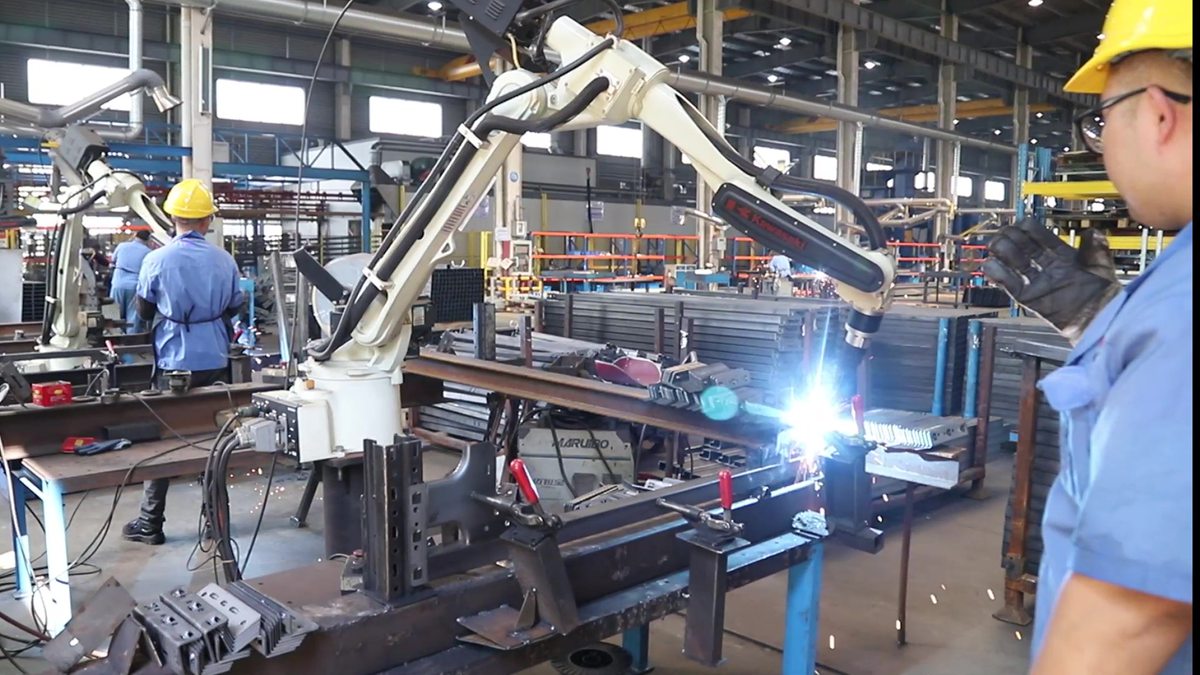
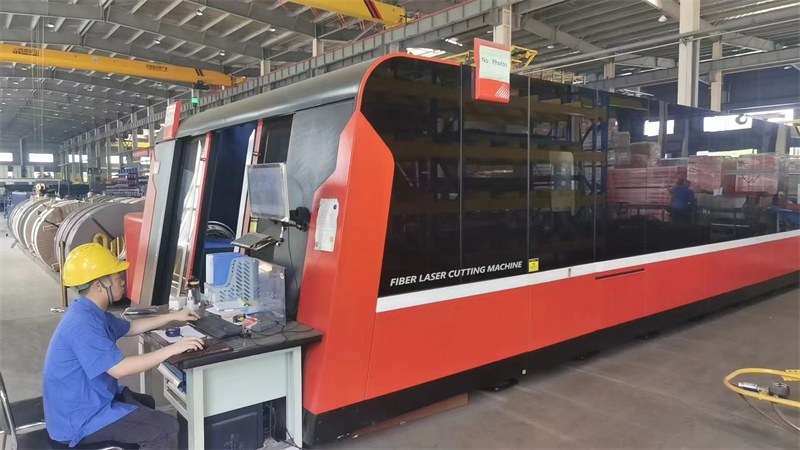
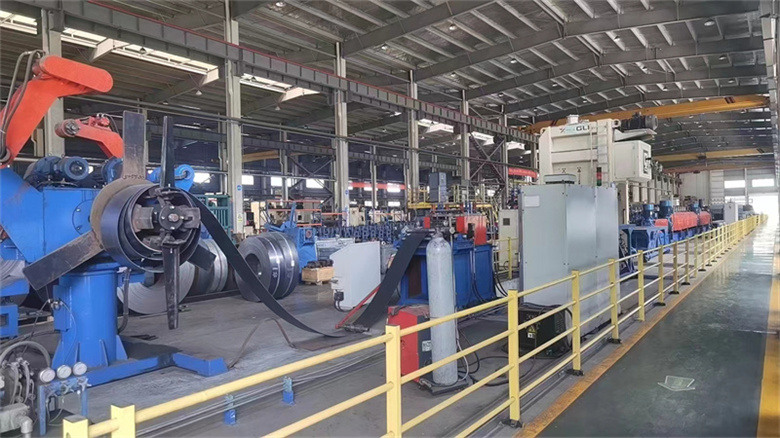
Guangdong Ebil Metal Products Co., Ltd. is a leading manufacturer specializing in industrial storage systems and warehouse racking solutions. We design, manufacture, and supply high-quality shelving and storage equipment for warehouses, distribution centers, factories, retail stores, logistics companies, and commercial facilities worldwide. Established in 2017, Ebil has grown into a modern manufacturing enterprise with a 26,800 m² production facility equipped with advanced automatic roll forming lines, robotic welding systems, CNC processing equipment, and powder coating production lines. Our experienced engineering and production teams enable us to deliver reliable, durable, and cost-effective storage solutions that meet international quality standards.
With over 12 years of industry experience and 8 years of export experience, Ebil has successfully served customers in more than 60 countries across North America, Europe, Southeast Asia, the Middle East, and Oceania. Our annual export revenue exceeds US$18 million, supported by long-term cooperation with more than 980 supply chain partners. Quality is the foundation of our business. Every product undergoes comprehensive inspections, including load capacity testing, dimensional inspection, coating adhesion testing, and salt spray corrosion testing before shipment. Our quality control department consists of 56 professional inspectors, ensuring every project meets strict international requirements. Our dedicated R&D team includes 48 experienced engineers, and we launch approximately 96 new products every year to satisfy changing market demands. We provide comprehensive OEM & ODM customization, including customized dimensions, load capacities, colors, structural designs, packaging, and branding services.
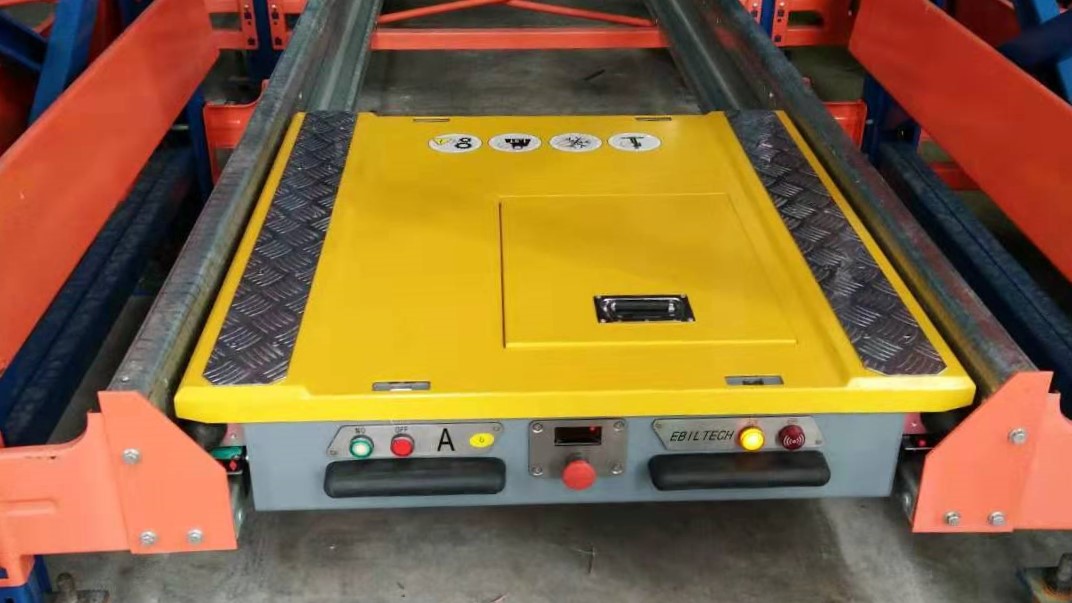
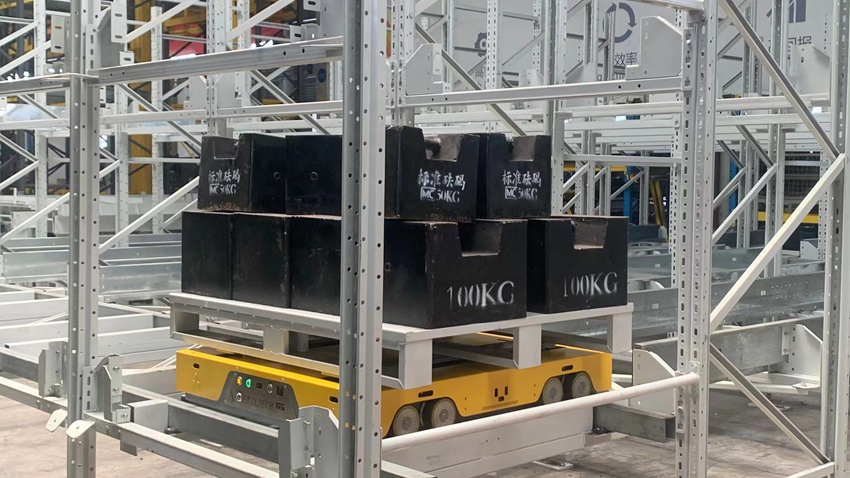
For international supply chain managers and project engineers importing automation machinery into highly regulated zones, such as the European Economic Area (EEA), CE Certification is not just a regulatory compliance box—it is an assurance of mechanical stability and functional safety. A CE certified radio shuttle car indicates compliance with essential European directives, notably the Machinery Directive 2006/42/EC, the Low Voltage Directive (LVD) 2014/35/EU, and the Electromagnetic Compatibility (EMC) Directive 2014/30/EU.
Operating dynamic machinery inside racking structures requires complex safety mechanisms. CE-marked automated shuttle systems incorporate:
Modern radio shuttle cars rely primarily on Lithium Iron Phosphate (LiFePO4) batteries. Compared to legacy lead-acid batteries, LiFePO4 chemistry provides up to three times the service life (exceeding 2,000 charge cycles), faster charging times (typically under 3 hours for a full cycle), and robust performance in temperature-controlled spaces down to -25°C. Ebil Metal incorporates smart Battery Management Systems (BMS) to continuously monitor voltage, cell balance, and thermal performance, mitigating risk and maximizing vehicle runtime.
A common pitfall in warehouse automation is sourcing shuttle vehicles and racking structures from separate vendors. Because the shuttle relies entirely on the precision of the racking rails, even a minor variance in rail alignment, beam deflection, or levelness can cause tracking issues, premature wheel wear, or system interruptions.
Guangdong Ebil Metal Products Co., Ltd. solves this structural friction by acting as a single-point designer and manufacturer for both the racking framework and the shuttle technology. Our structural design phase incorporates Finite Element Analysis (FEA) to calculate dynamic load forces under continuous shuttle braking, acceleration, and lifting operations. Our rails are made from high-strength galvanized steel, cold-formed on custom tooling to match the wheel profile of the radio shuttle car, ensuring a smooth ride, minimal friction, and extended component life.
A complete radio shuttle system from Ebil Metal includes:
The automated warehousing industry is moving towards fully autonomous, intelligent systems. At Ebil Metal, our engineering teams are focusing on several emerging technologies to keep our systems at the forefront of the industry:
While traditional 2-way shuttles move back and forth along a single lane, 4-way shuttles can travel both longitudinally and transversely across aisles. This allows the shuttle to change paths independently, dramatically increasing system flexibility, reducing crane dependency, and offering high layout adaptability for irregularly shaped buildings.
Integrating 5G chipsets into our radio shuttle fleets allows real-time diagnostic reporting, predictive maintenance alerts, and seamless integration with complex fleet managers. Operational metrics such as battery health, wheel degradation, and cycles per hour are analyzed in real time to prevent unexpected downtime.
When multiple shuttle cars operate within the same racking system, AI-driven routing algorithms optimize vehicle dispatch. This ensures the fastest path is chosen, battery consumption is minimized, and throughput bottlenecks are prevented during peak fulfillment periods.
Deploying automated hardware internationally requires responsive service and regulatory support. Guangdong Ebil Metal Products Co., Ltd. provides comprehensive global documentation, structural engineering stamps for local building codes, and localized technical training.
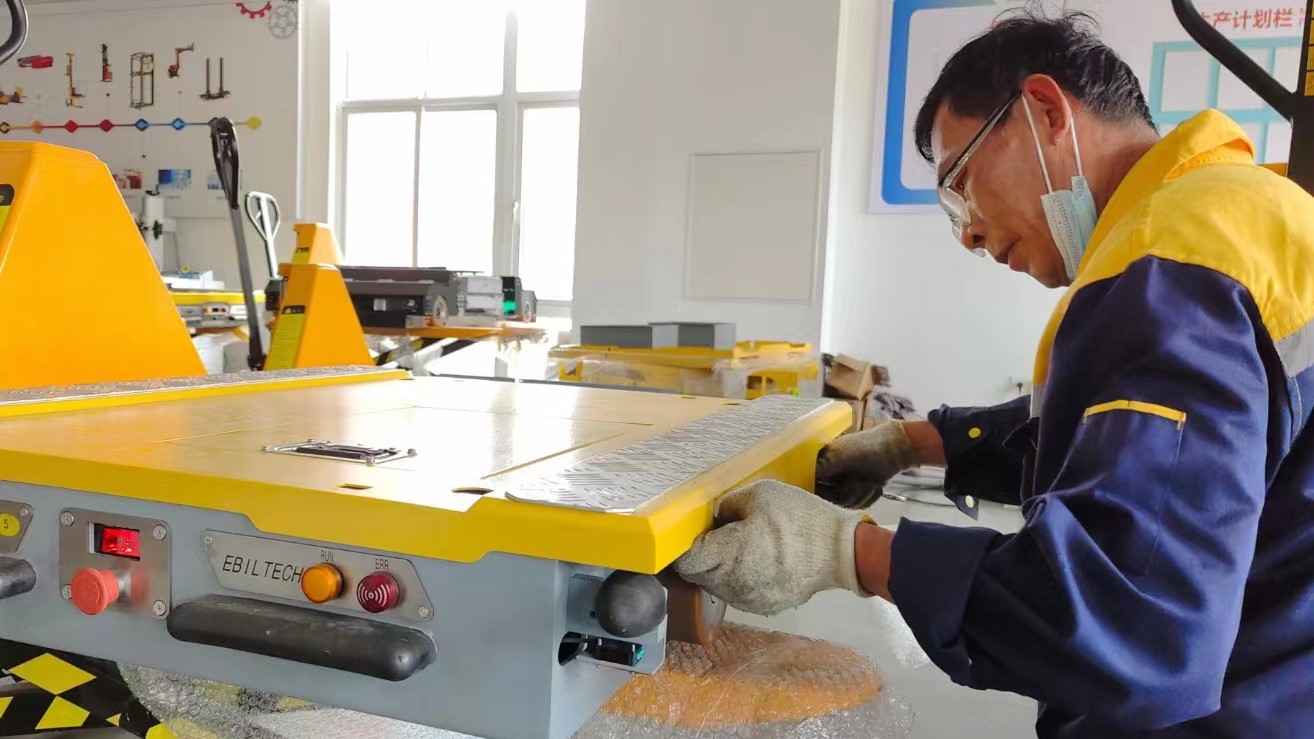
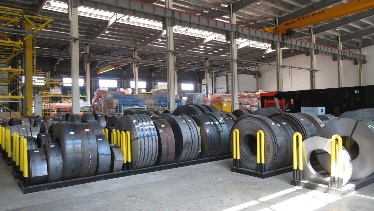
Every shuttle system we ship undergoes rigorous factory acceptance testing (FAT). We test safety systems, load limits, battery life, and remote control range under simulated operating conditions. Our team of 56 quality inspectors oversees every step, from raw steel selection to final software packaging, ensuring that your system arrives ready to run.
 Ebil Metal