Discover our precision-engineered, high-capacity racking structures and autonomous shuttle integrations optimized for maximum structural integrity.
An analytical review of structural requirements, static limits, and mechanical safety factors for modern heavy-duty warehouse infrastructure.
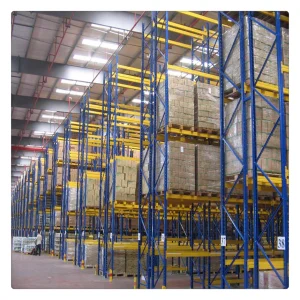
Modern high-bay storage facilities demand rigorous structural calculations. As a leading manufacturer, our designs conform strictly to FEM 10.2.02 and AS4084 standards, incorporating finite element analysis (FEA) to calculate seismic response parameters, ensuring safety in active tectonic regions.
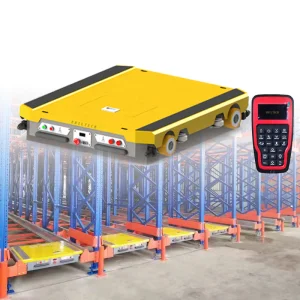
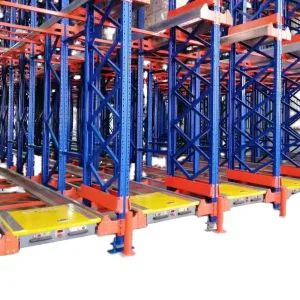
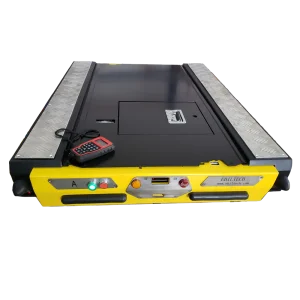
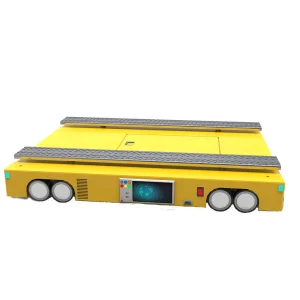
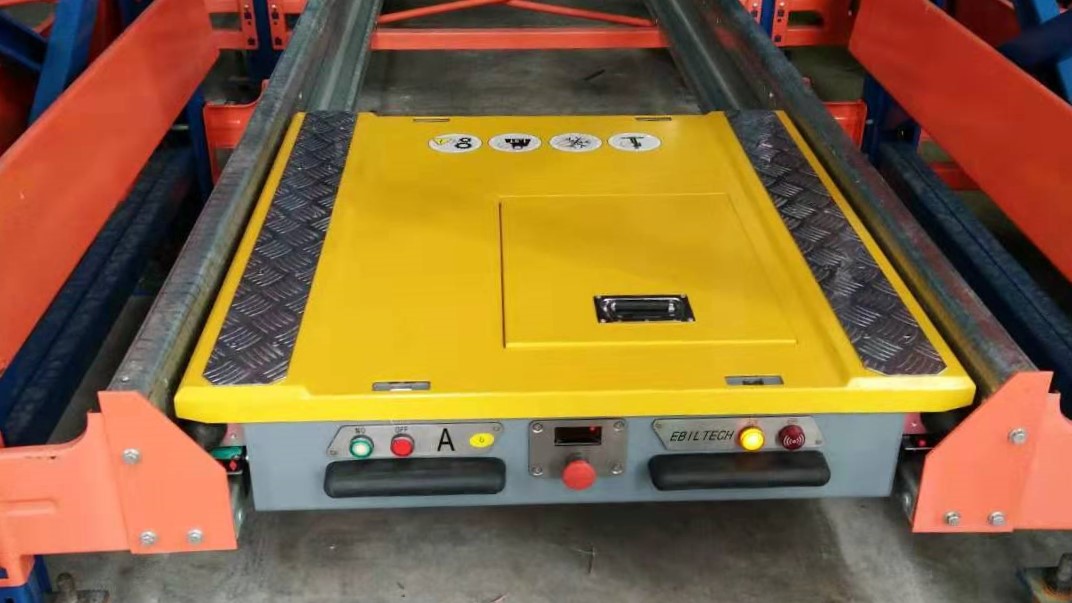
Traditional selective racking restricts density. Integrating state-of-the-art radio shuttle technologies and 4-way travel robots enables deep-lane configuration. By eliminating forklift aisles, volumetric storage efficiency is increased by up to 85% compared to standard configurations.
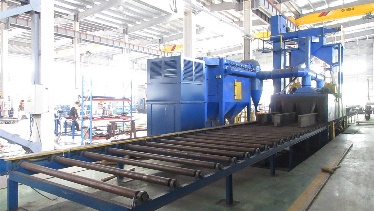
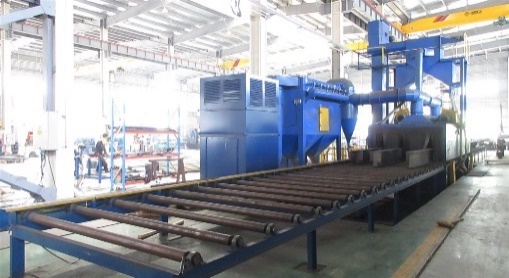
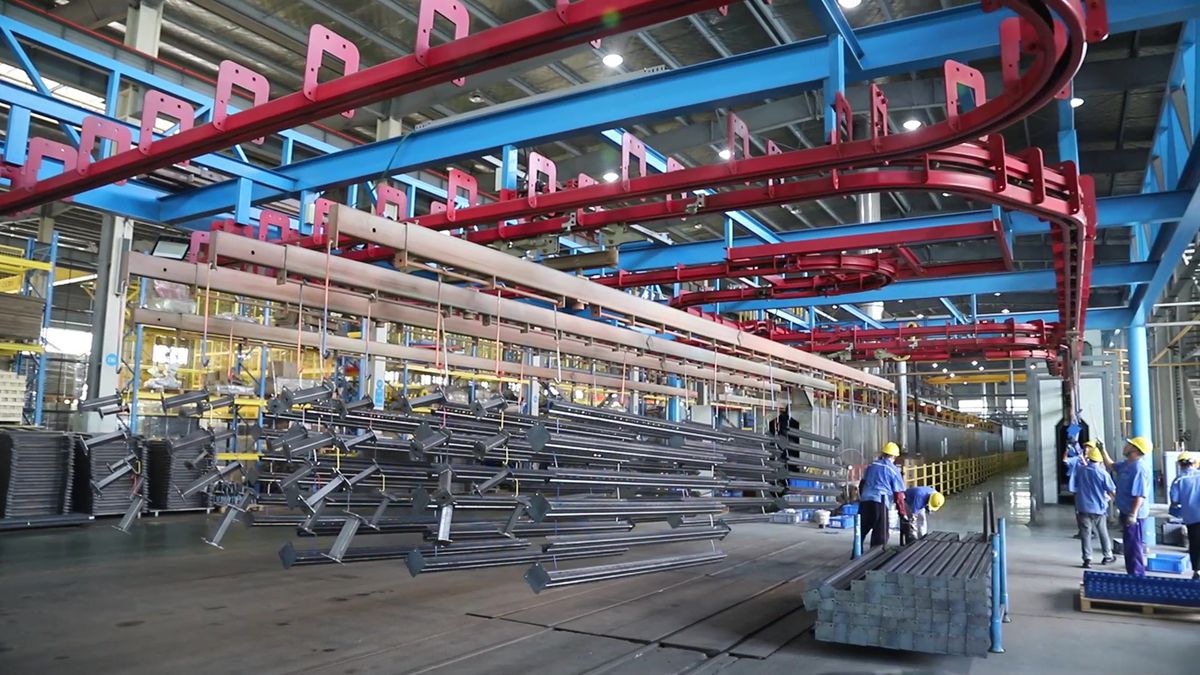
For applications such as cold storages, chemical depots, or high-humidity coastal zones, surface finish durability determines longevity. Ebil Metal employs automated multi-stage pre-treatments followed by electrostatic powder coating to guarantee salt spray performance and scratch resistance.
The warehousing landscape is shifting rapidly from manual, low-density storage models toward fully integrated, automated, and self-supporting structural architectures. As real estate prices appreciate globally, the cost-benefit analysis favors vertical utilization. This paradigm shift has driven the following critical design trends in industrial logistics:
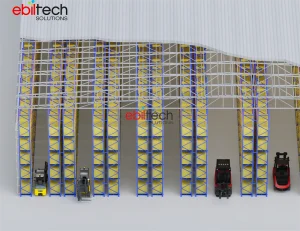
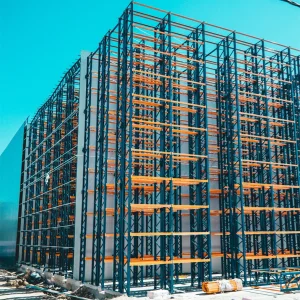
Instead of erecting a traditional building shell and installing racking systems inside, modern large-scale facilities increasingly utilize Clad-Rack Buildings. In these configurations, the steel racking structures themselves support the roof and wall cladding. This eliminates the need for massive structural columns, maximizing space utilization, reducing project delivery schedules, and cutting civil construction expenditures by 20% to 35%.
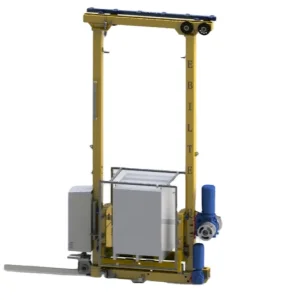
The convergence of structural racking with robotic technology has redefined floor loading dynamics. Heavy-duty 4-way pallet shuttle systems and autonomous stacker cranes require exceptionally precise structural tolerance levels. Millimeter-level alignments across columns are necessary to ensure automated vehicles move without friction or path deviation, transitioning racking design from standard civil works toward high-precision mechanical engineering.
Static load designs are no longer sufficient. Dynamic forces generated by accelerating stacker cranes, high-speed shuttle carts, and shifting product weights require complex load transfer analyses. Using sophisticated Finite Element Analysis (FEA), designers can simulate millions of load cycles to prevent structural fatigue, particularly around beam connectors and column splice assemblies.
When global supply chain directors procure load-bearing components from China, several strategic performance requirements guide their sourcing decisions.
Global buyers mandate traceably sourced structural carbon steel (primarily Q235B and Q355B) with mill test certificates. Consistency in yield strength and chemical composition ensures predictable weld strength and cold-formed profile integrity.
Compliance with global certifications is essential. Structural configurations must hold valid CE certifications for European projects, alongside adherence to EN 15512, RMI specifications for North American projects, and AS4084 guidelines for Australasia.
Procured storage systems must be modular, allowing for future extensions (such as converting manual racking to radio shuttle channels) without requiring complete reconstruction or extensive down-time.
A trusted global provider of structural warehouse storage systems and heavy-duty industrial solutions.
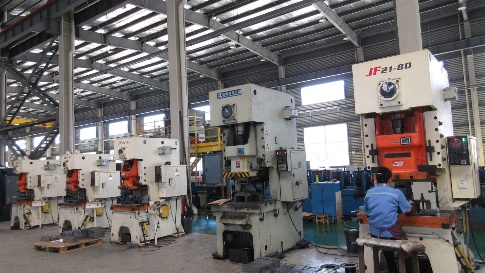
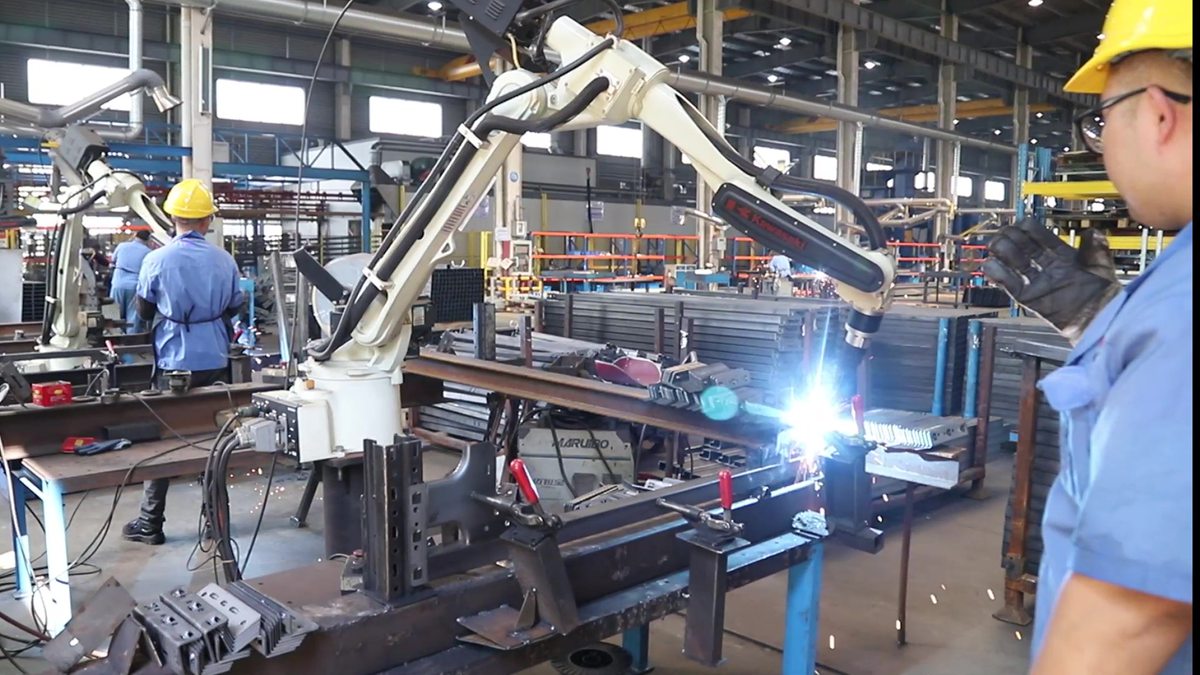
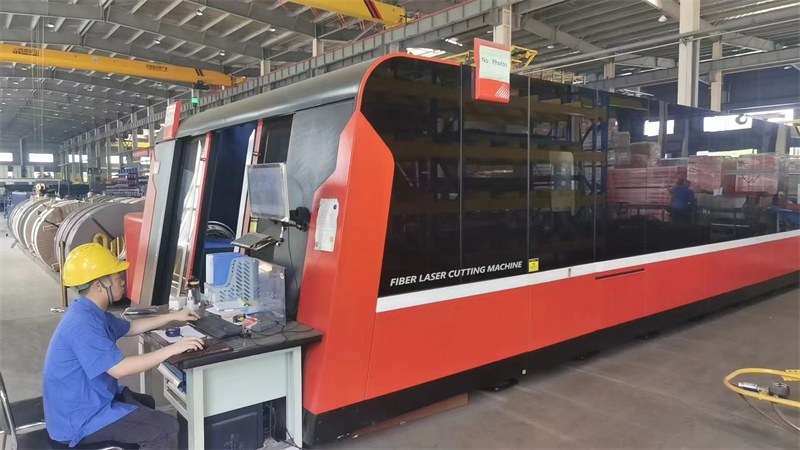
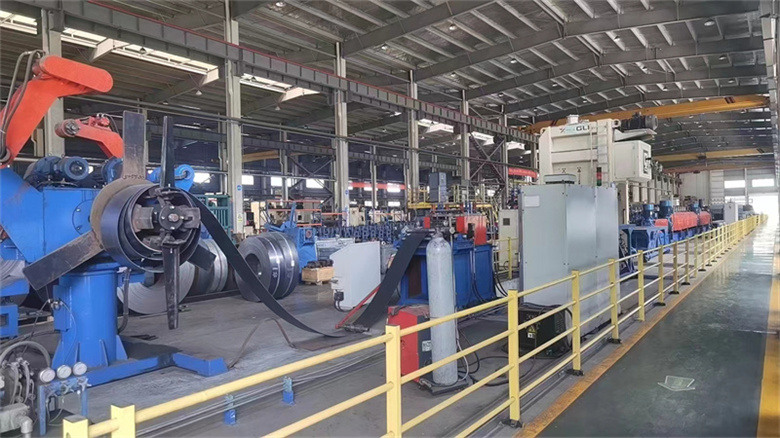
Established in 2017, Guangdong Ebil Metal Products Co., Ltd. has grown into a modern manufacturing enterprise specializing in high-performance industrial storage solutions. Operating from a state-of-the-art 26,800 m² production facility, we design, manufacture, and supply reliable structural racking systems to distribution hubs, fulfillment centers, factories, and commercial enterprises worldwide.
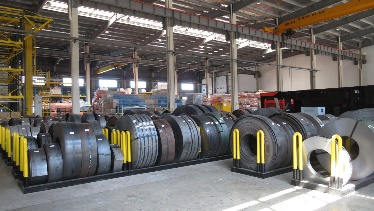
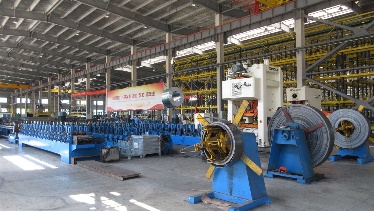
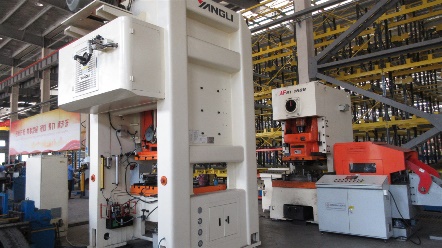
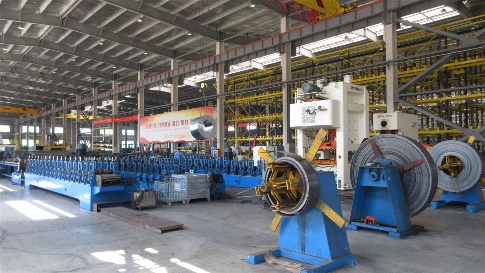
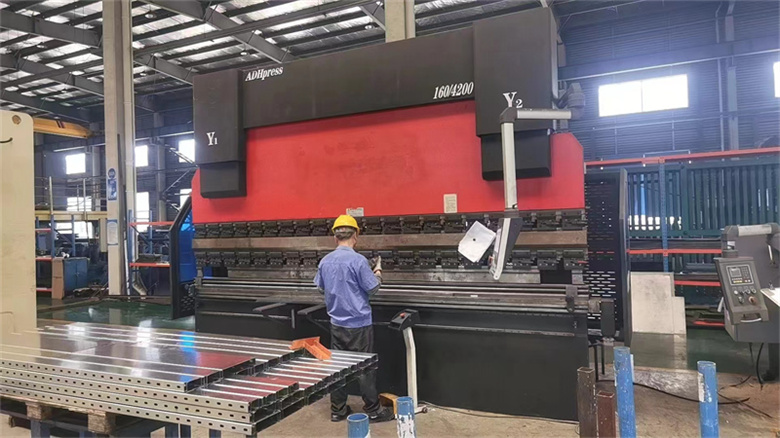
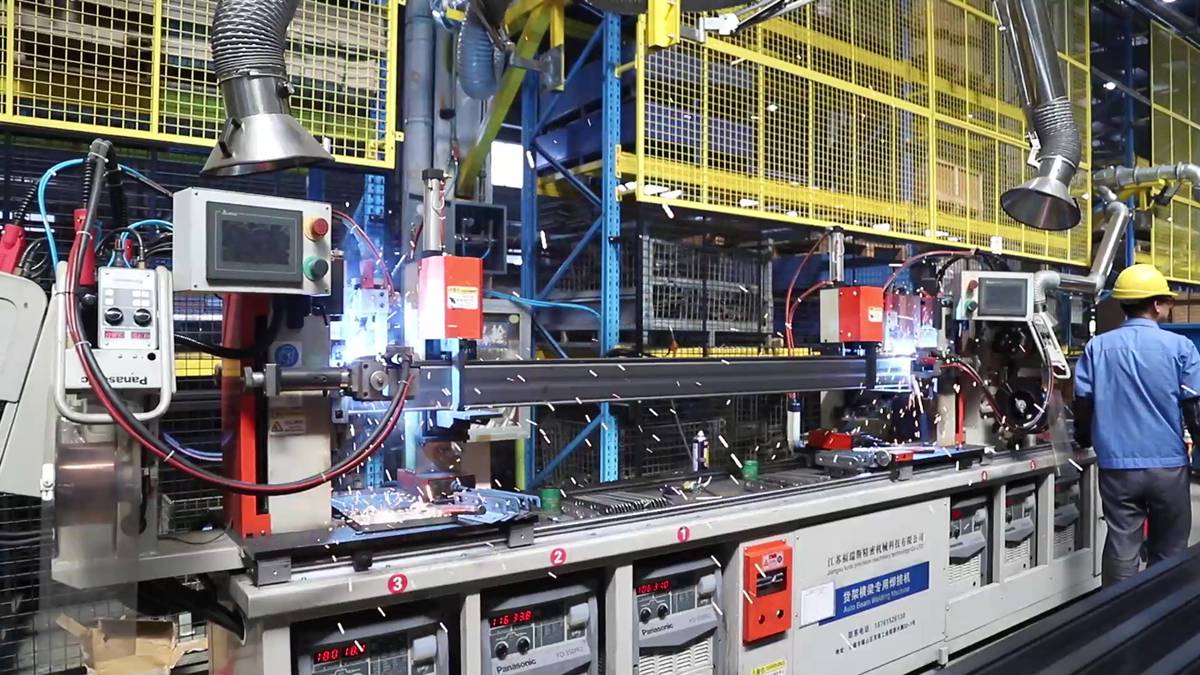
Equipped with advanced automated roll forming lines, high-precision robotic welding systems, CNC machining centers, and automated powder coating processing lines, our manufacturing operations deliver consistent quality and durable storage solutions. With over 12 years of industry experience and 8 years of export operations, we serve customers in more than 60 countries across North America, Europe, Southeast Asia, the Middle East, and Oceania, generating an annual export volume exceeding US$18 million through cooperation with more than 980 supply chain partners.
Ebil Metal designs and manufactures a comprehensive suite of storage solutions tailored to different operational footprints and load profiles:
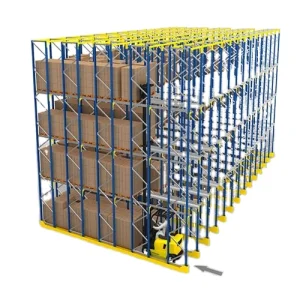
Selective Pallet Racking, Drive-In/Drive-Through systems, and dynamic gravity-fed flow racking.
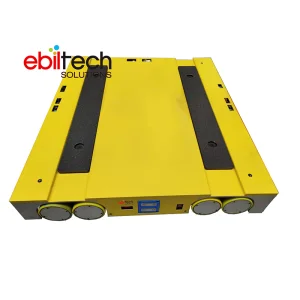
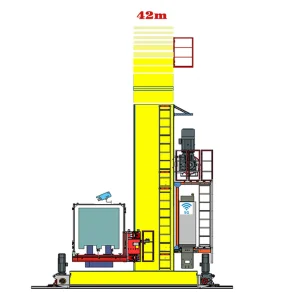
Radio Shuttle racks, 4-Way Shuttle carrier integrations, and Stacker Crane automated storage & retrieval systems (AS/RS).
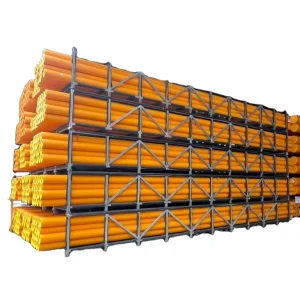
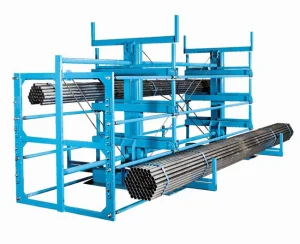
Cantilever Racking systems, roll-out cantilever structures, and heavy-duty tubular stacking storage racks.
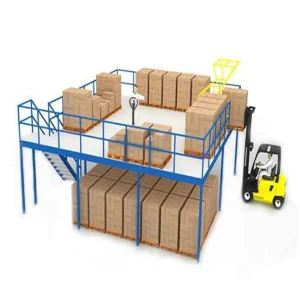
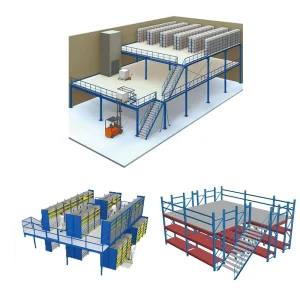
Multi-tier Mezzanine structures, steel structural platforms, and integrated self-supporting Clad Buildings.
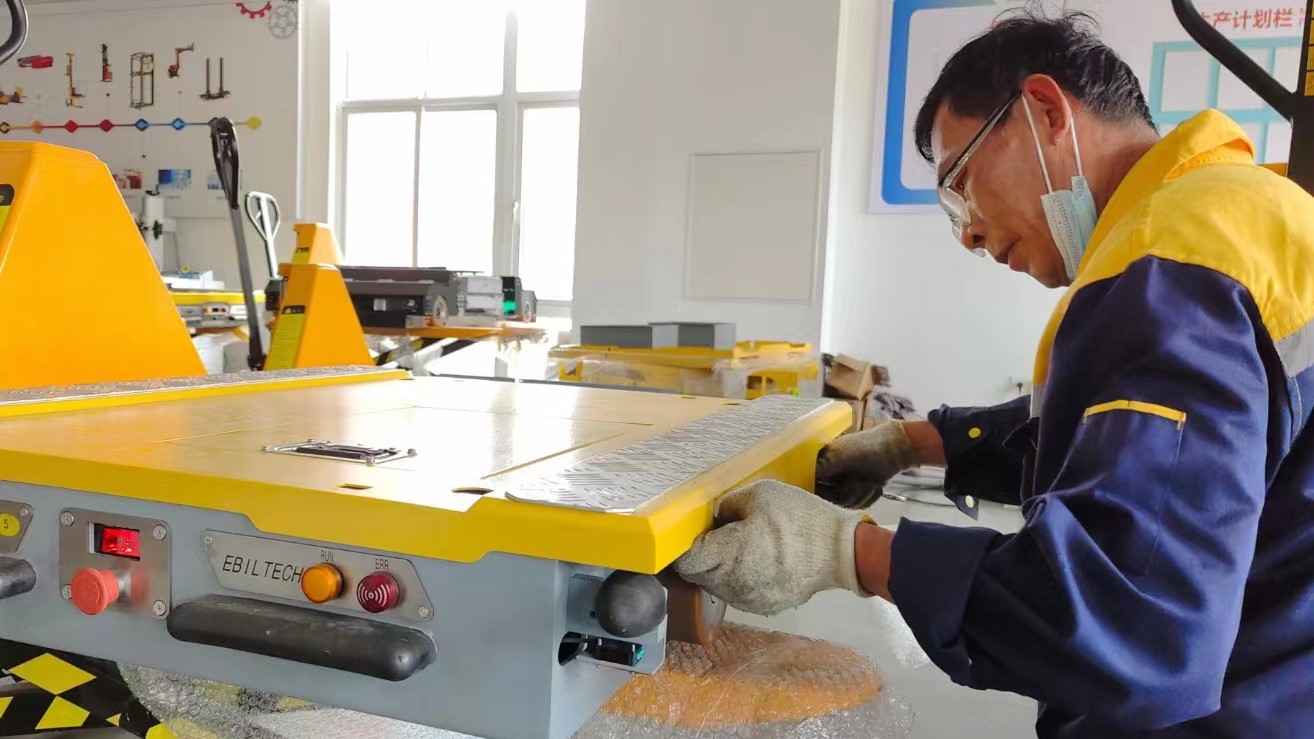
From raw material sourcing to structural load verification, our factory floor maintains rigorous quality control at every stage.
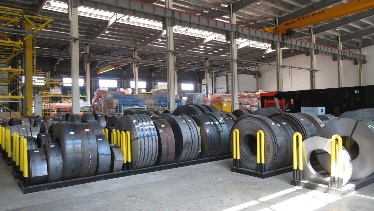
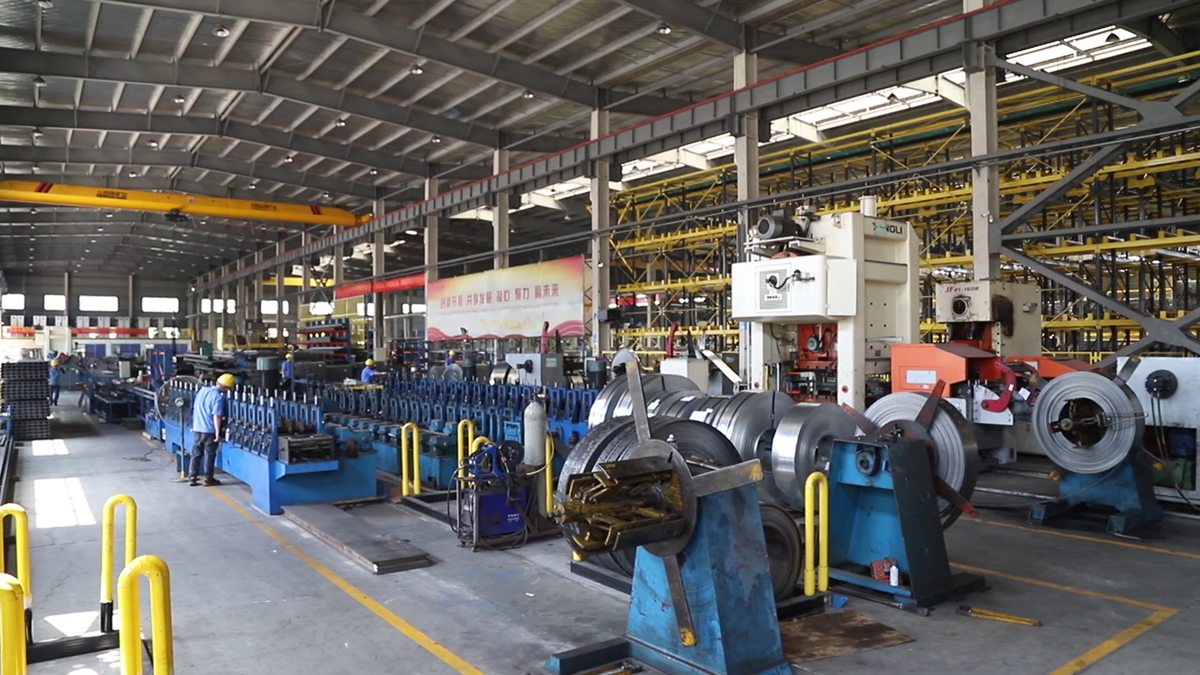
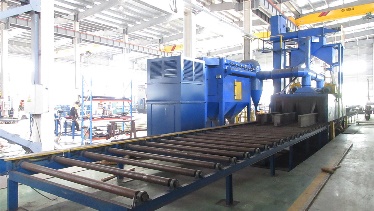
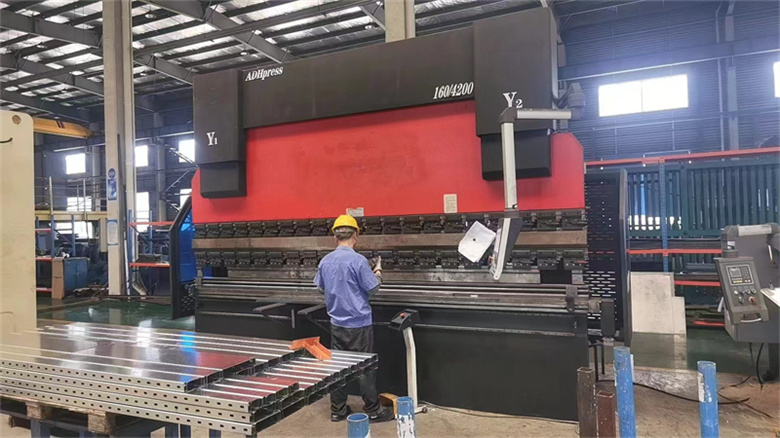
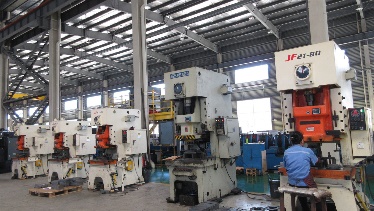
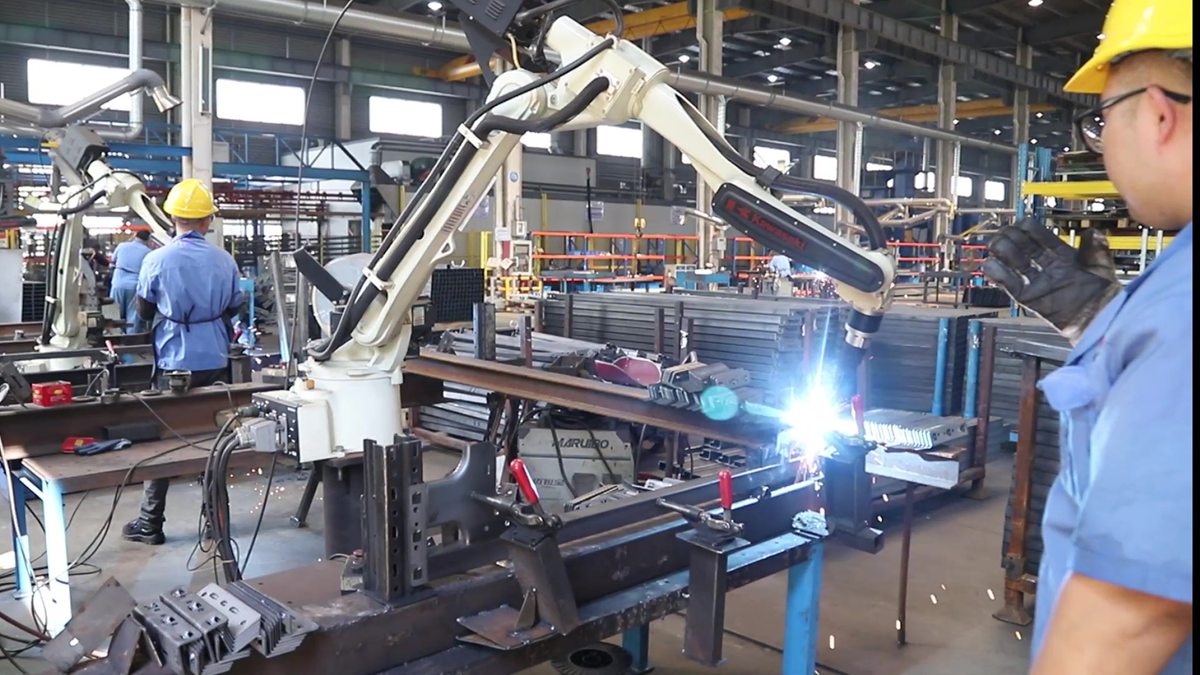
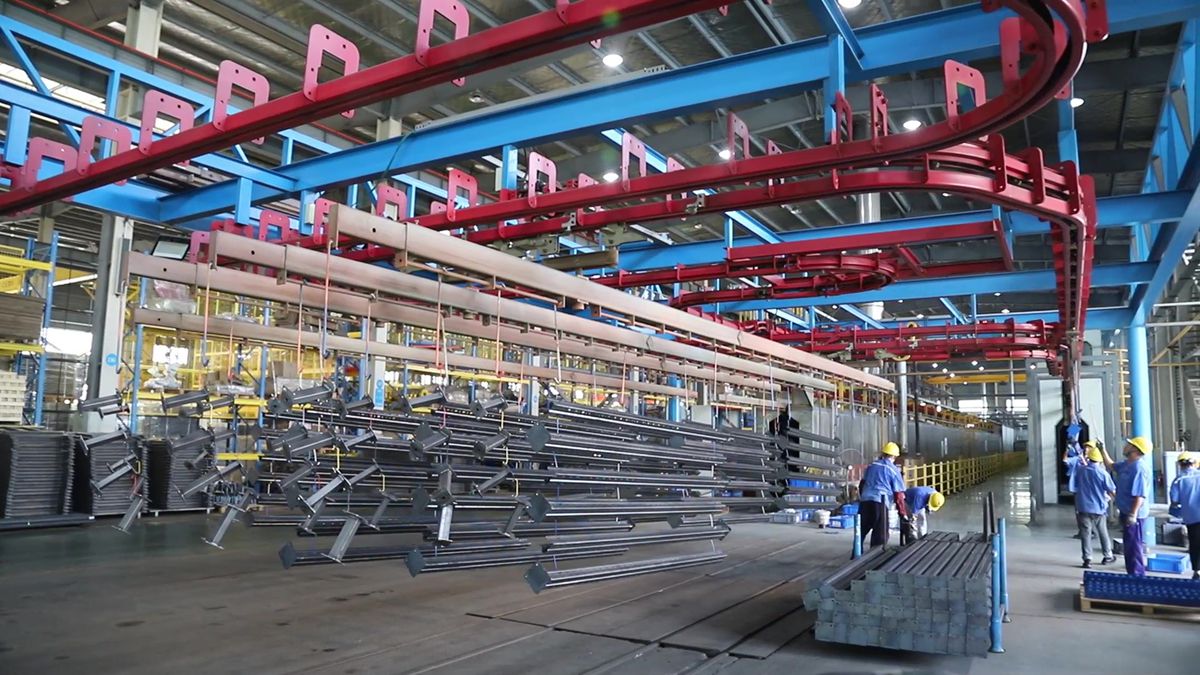
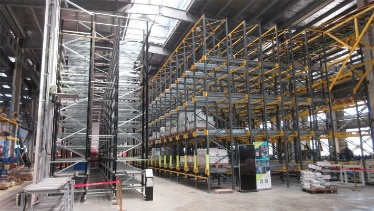
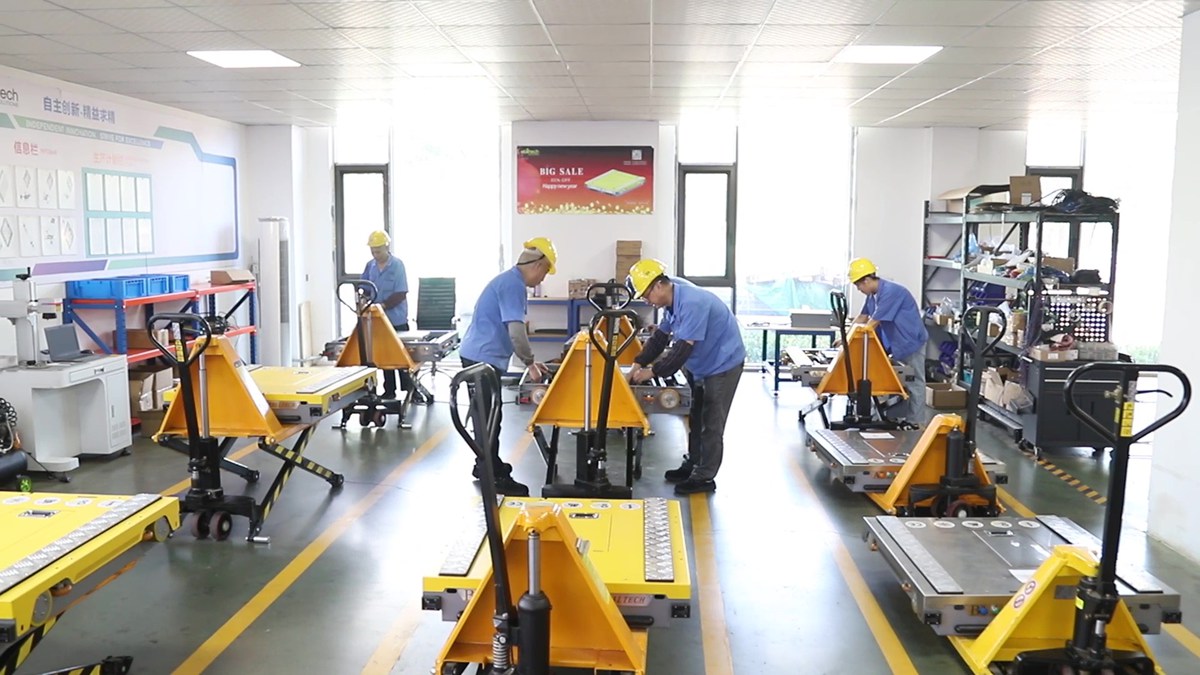
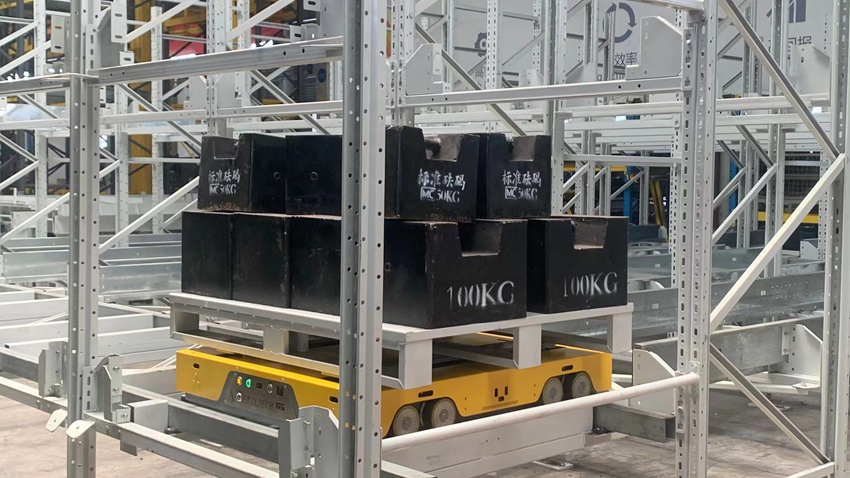
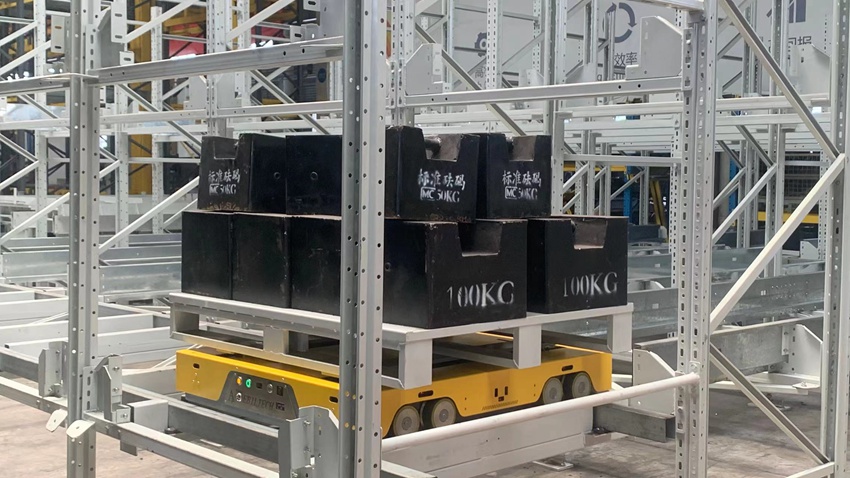
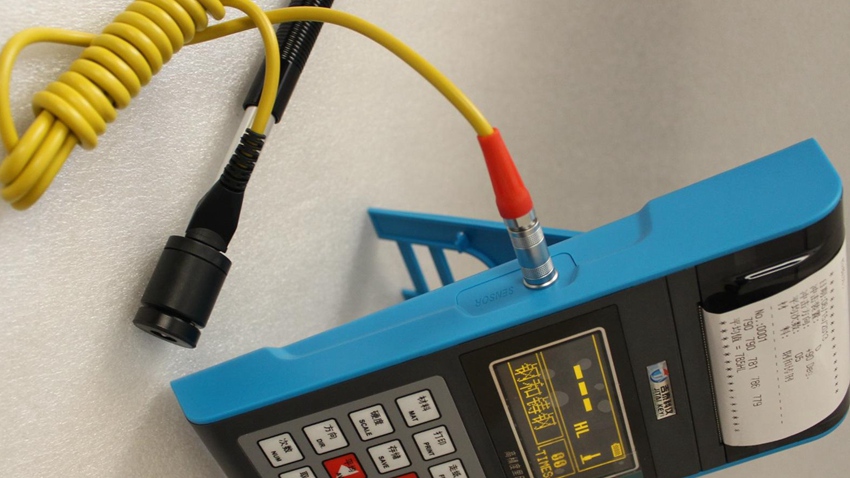
A primary failure mode in cross-border procurement of industrial racking systems is ignoring region-specific structural codes. We work with engineering consultants worldwide to align all structural configurations with local building ordinances. Every shipment from Ebil Metal is backed by engineering documentation, calculations, and compliance verification certificates:
Our solutions conform to EN 15512 (Single-post static analysis), EN 15620 (Automated tolerances), and EN 15635 (Operational safety), enabling integration into European warehouse networks.
For operations in the Americas, designs are adapted to meet American National Standards Institute (ANSI) MH16.1 specifications, ensuring calculations match US structural standards.
We provide full structural documentation and certification for compliance with Australian Standard AS4084, specifically regarding column deflections and safety factors.
Beyond code compliance, Ebil Metal supports structural systems through a global network of installation partners and engineering consultants. Our engineering team conducts dynamic site simulation analyses to account for local environmental factors, including ground accelerations in seismic zones or heavy wind loads on clad-rack structures.
Looking ahead, industrial storage systems are transitioning from passive steel framing to active, intelligent data points within the supply chain. Ebil Metal’s R&D team is focusing development on three primary technical advancements:
By embedding fiber-optic Bragg grating sensors directly into high-stress upright columns and beams, future racking arrays will monitor load distributions in real-time. This provides alerts for overload events, accidental structural impacts, or seismic damage before failures occur.
Our next-generation 4-way shuttles feature intelligent route-planning algorithms, dynamic braking energy recovery systems, and visual mapping (SLAM) systems. These updates allow robots to adjust speeds dynamically based on load weights and system distribution.
To support global carbon-reduction goals, Ebil Metal is incorporating high-strength low-alloy (HSLA) steel profiles into our supply chain. These materials maintain structural capacity with lower mass, helping reduce carbon footprints across manufacturing and logistics operations.
Answers to common structural questions regarding capacity, steel grades, certification, and automated integrations.
Explore our heavy-duty platforms, cantilever racks, multi-level mezzanines, and high-capacity stacker crane systems.
 Ebil Metal