China Wholesale Warehouse Shelving Factories & Supplier

Premium Industrial Storage Solutions, Intelligent ASRS Rack Systems, and High-Density Pallet Racking Engineered for Global Supply Chains.

Enterprise Overview: Guangdong Ebil Metal Products Co., Ltd.

A globally trusted manufacturer specializing in advanced industrial storage systems and warehouse racking solutions.

Guangdong Ebil Metal Products Co., Ltd. is a leading, professional manufacturer specializing in high-performance industrial storage systems and warehouse racking solutions. We design, engineer, and supply premium shelving and storage equipment for warehouses, cold chain logistics, distribution hubs, manufacturing plants, retail, and commercial facilities worldwide.

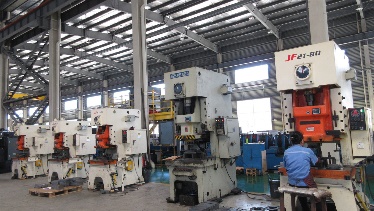
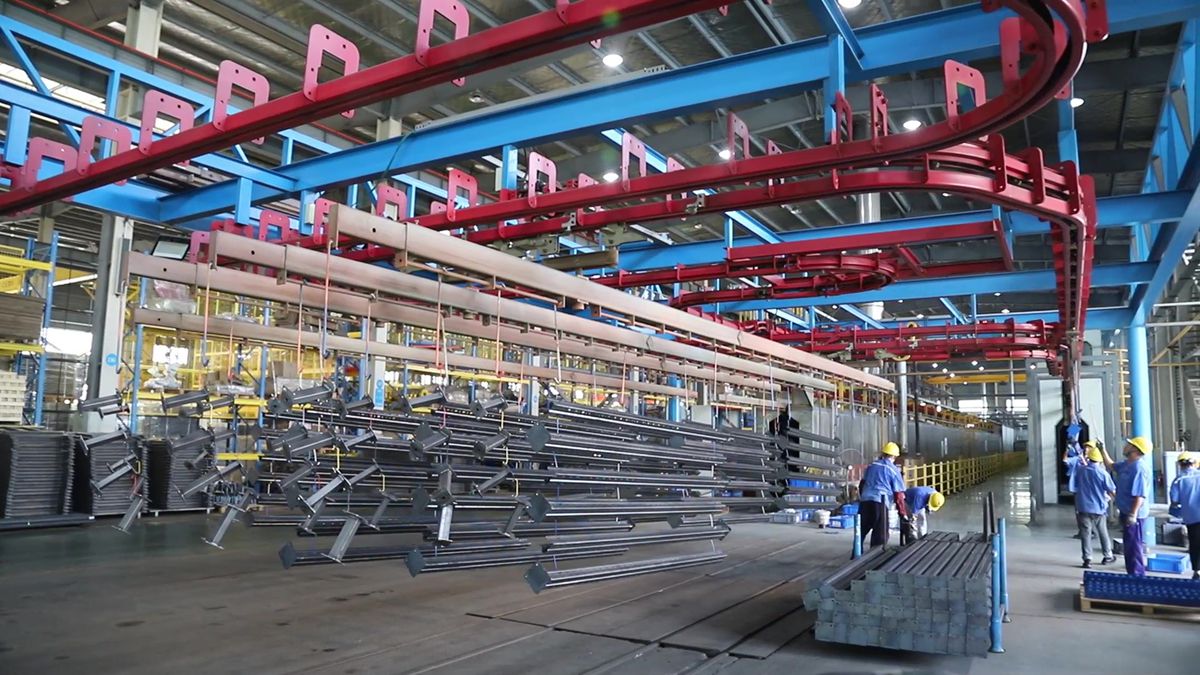
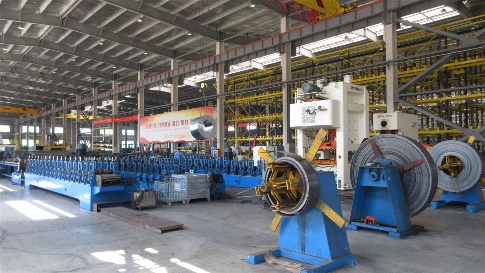
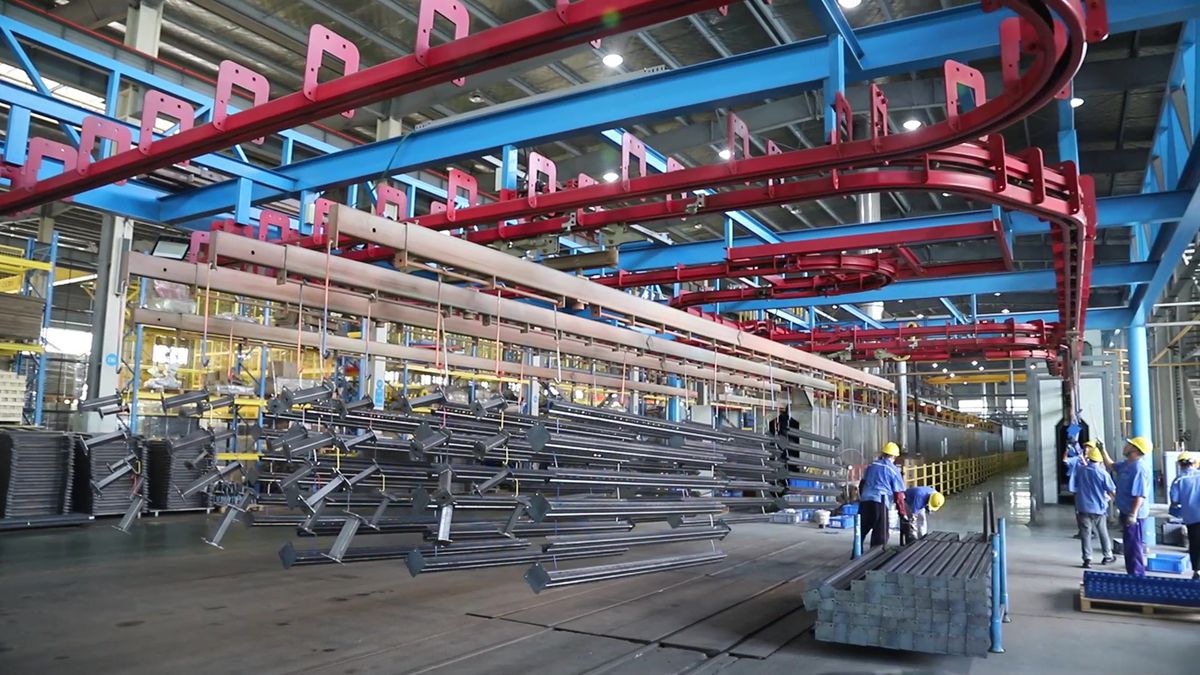
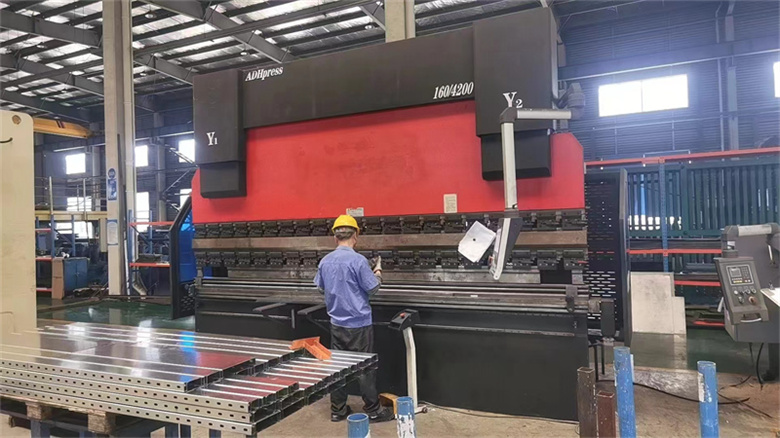
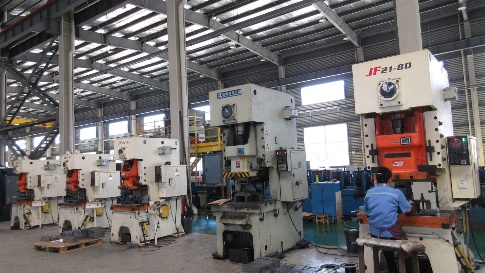
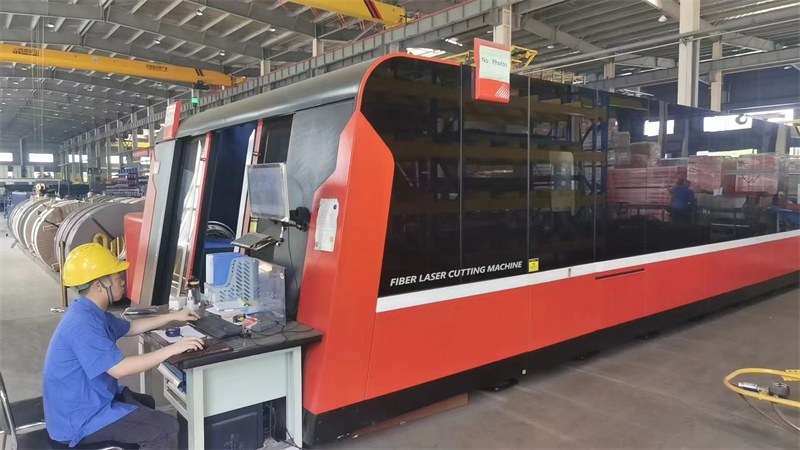
Established in 2017, Ebil has quickly evolved into a modern, smart-manufacturing powerhouse. Our facility spans over 26,800 m² and is equipped with advanced automated roll forming lines, robotic welding stations, high-precision CNC processing centers, and state-of-the-art electrostatic powder coating systems. With over 12 years of industry engineering experience and 8 years of international export operations, we serve supply chain operations in more than 60 countries across North America, Europe, Southeast Asia, the Middle East, and Oceania.

Our annual export revenue exceeds US$18 million, backed by long-term partnerships with over 980 supply chain entities. By manufacturing in accordance with international safety standards (CE, SGS, RMI, FEM), Ebil ensures that each racking structure delivered offers superior loading safety, structural stability, and maximum spatial optimization.

Structural Engineering

Every racking system is designed using dynamic structural calculation models to ensure resilience, safety, and compatibility with local seismic requirements.

Advanced Automation

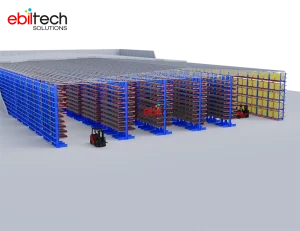
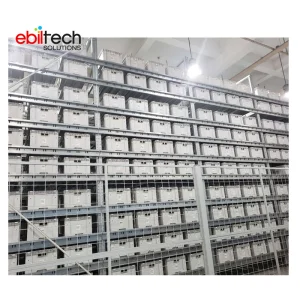
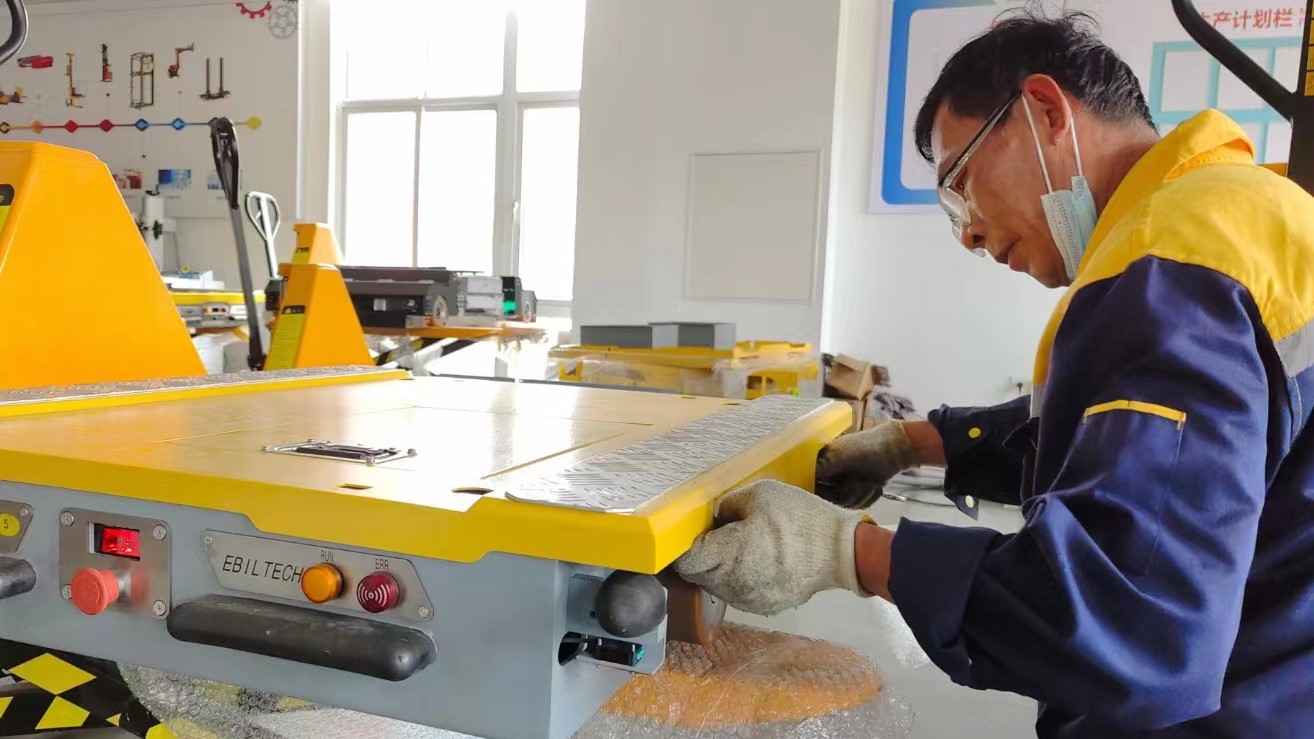
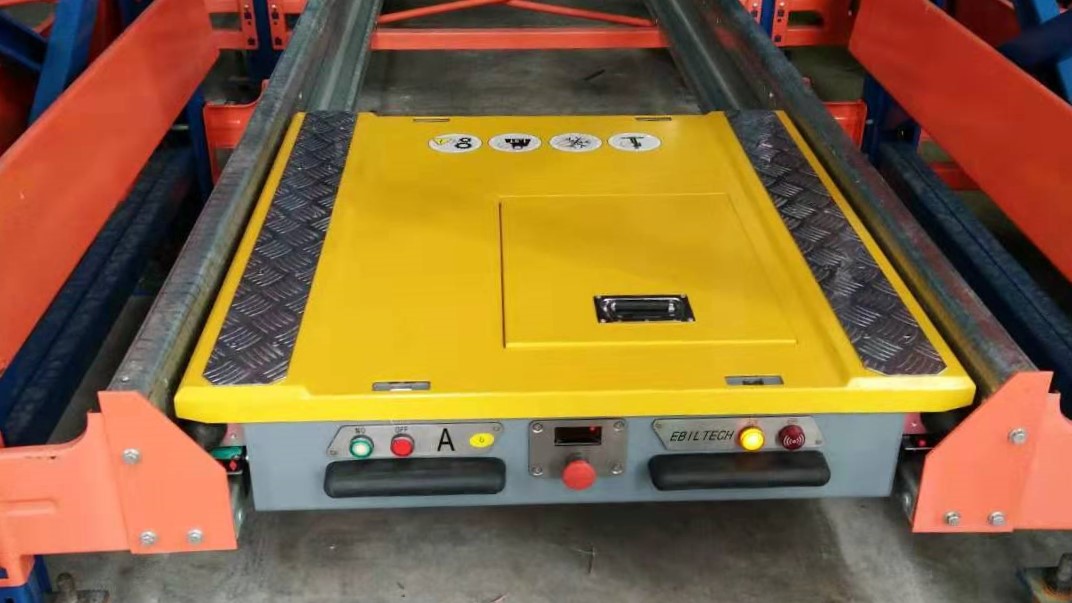
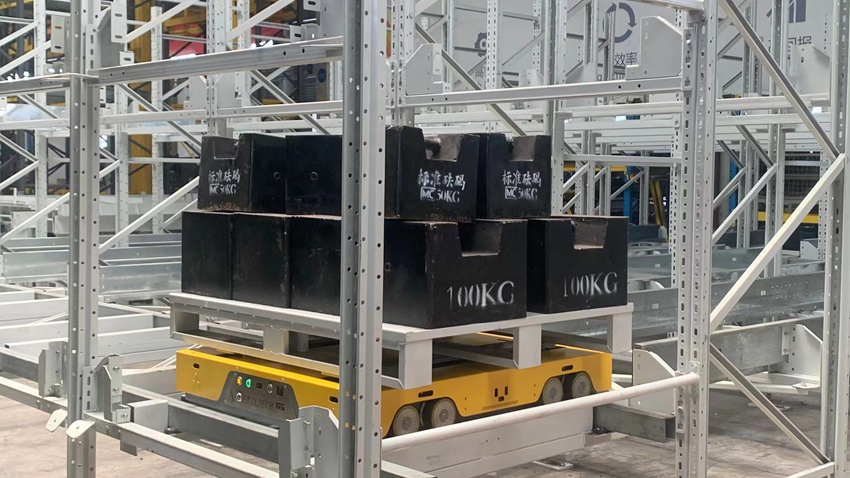
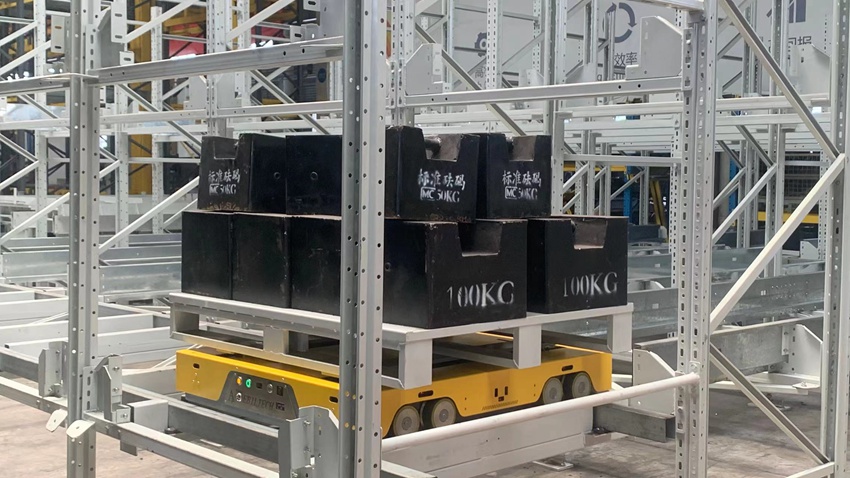
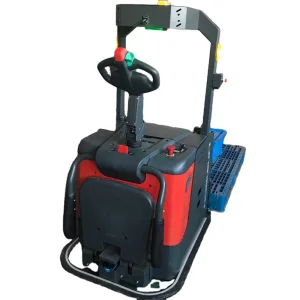
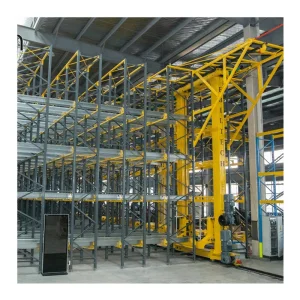
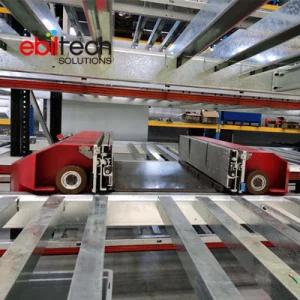
Integration of radio shuttle cars, automated lifts, AGVs, and intelligent WMS/WCS software for smart, high-density warehousing.

Rigorous Compliance

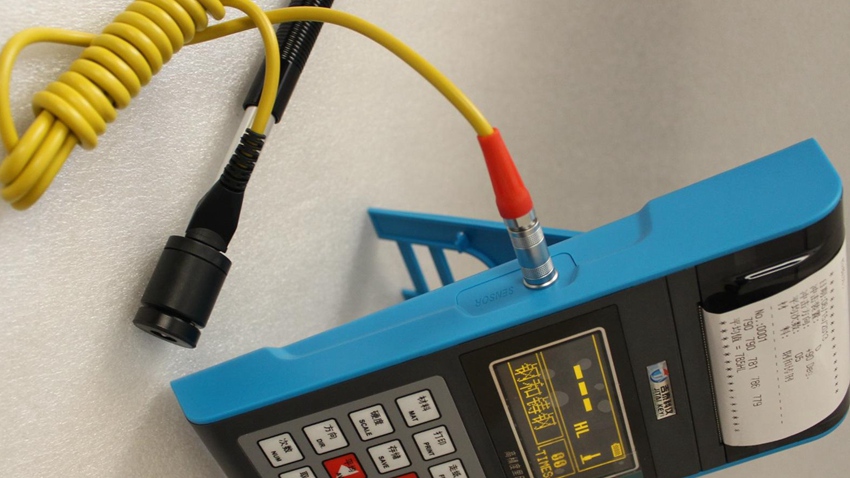
Stringent internal QA utilizing thickness gauges, loading testers, and hardness testing equipment in compliance with global standards.

26,800m²

Production Facility

12+ Yrs

Racking Expertise

$18M+

Annual Export Value

980+

Supply Chain Partners

China Factory 4.0: Supply Chain Resilience & Efficiency

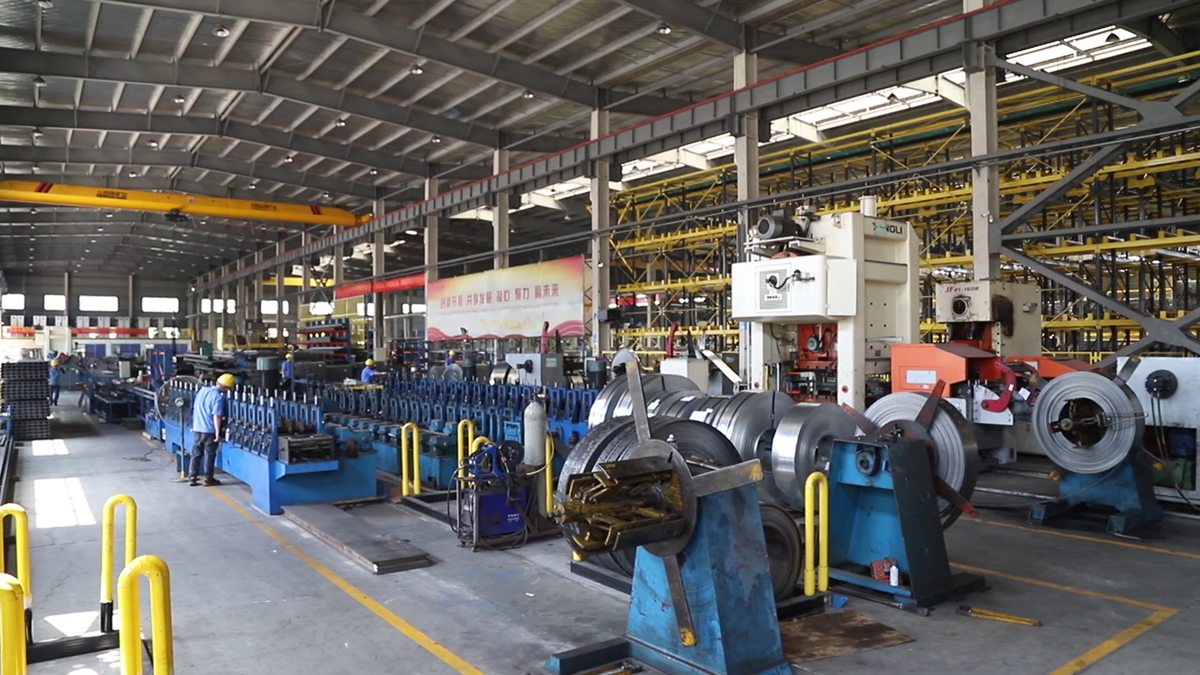
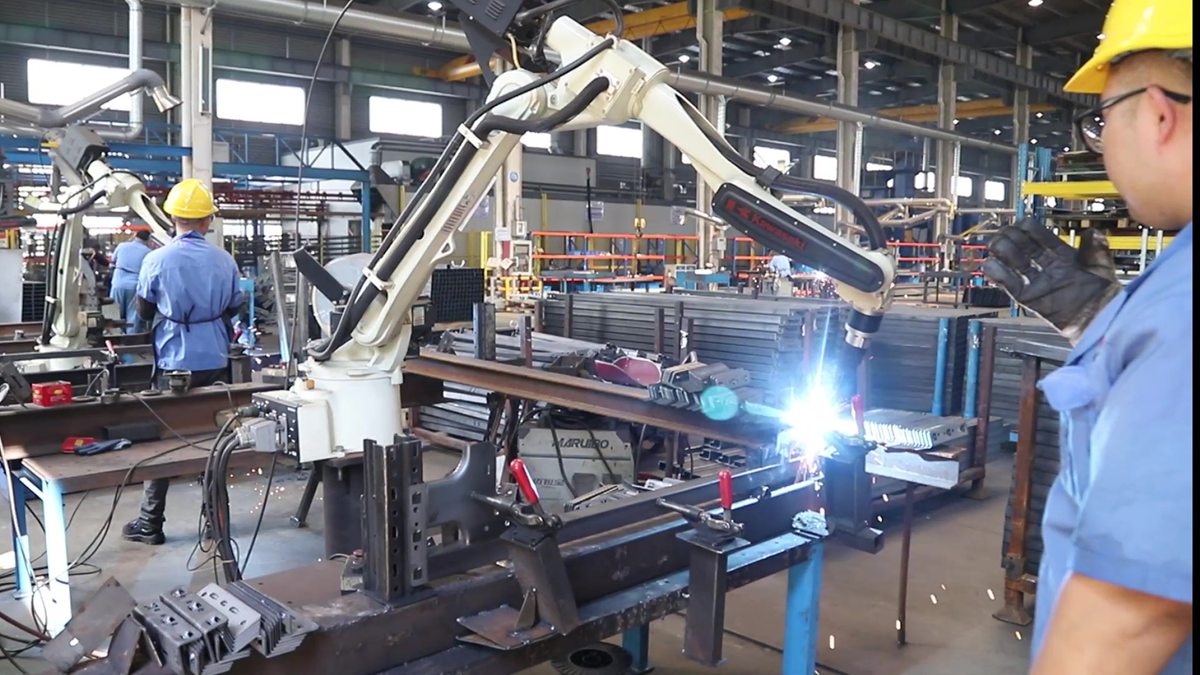
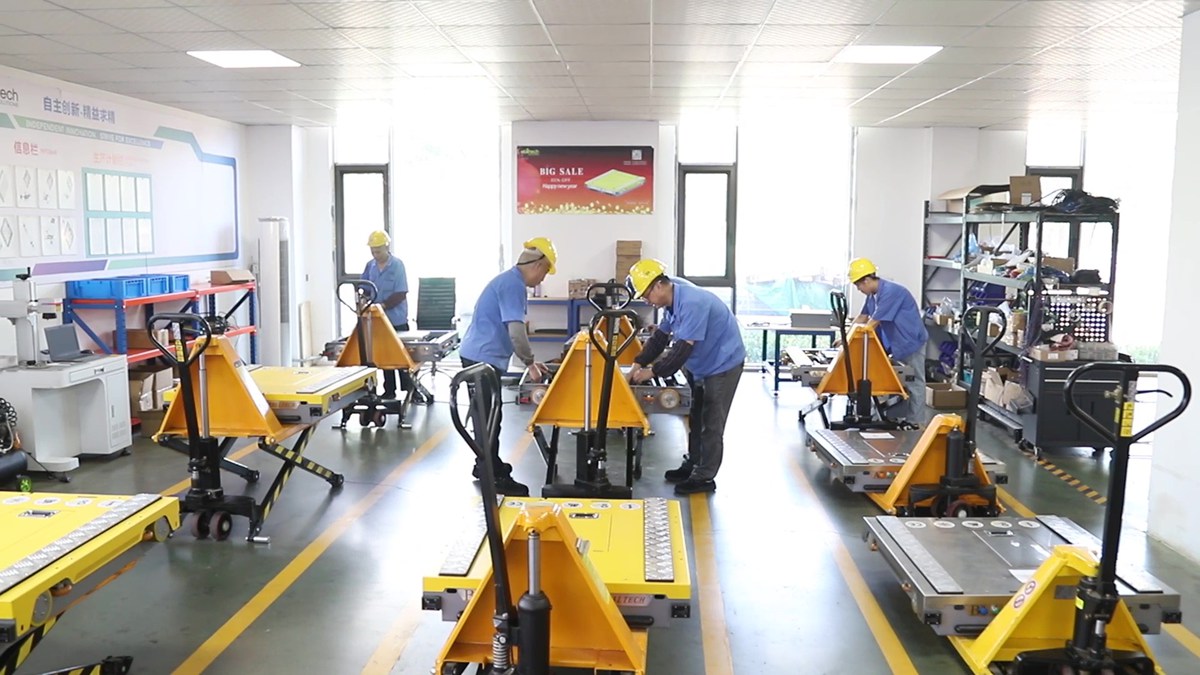
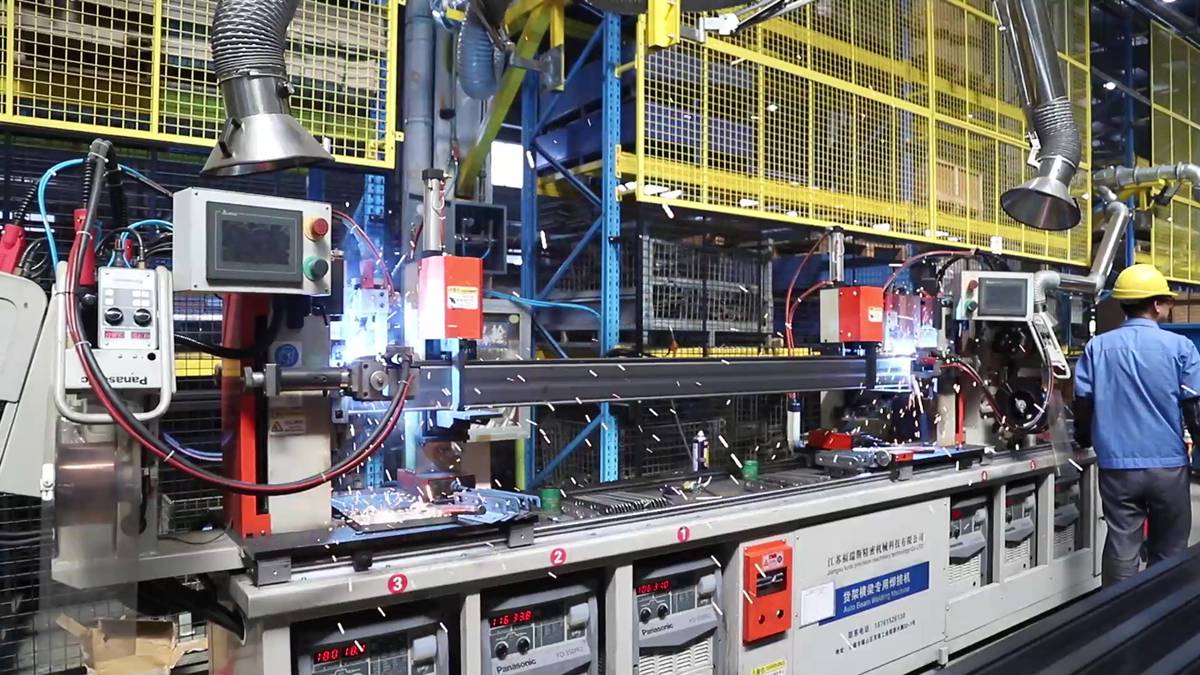
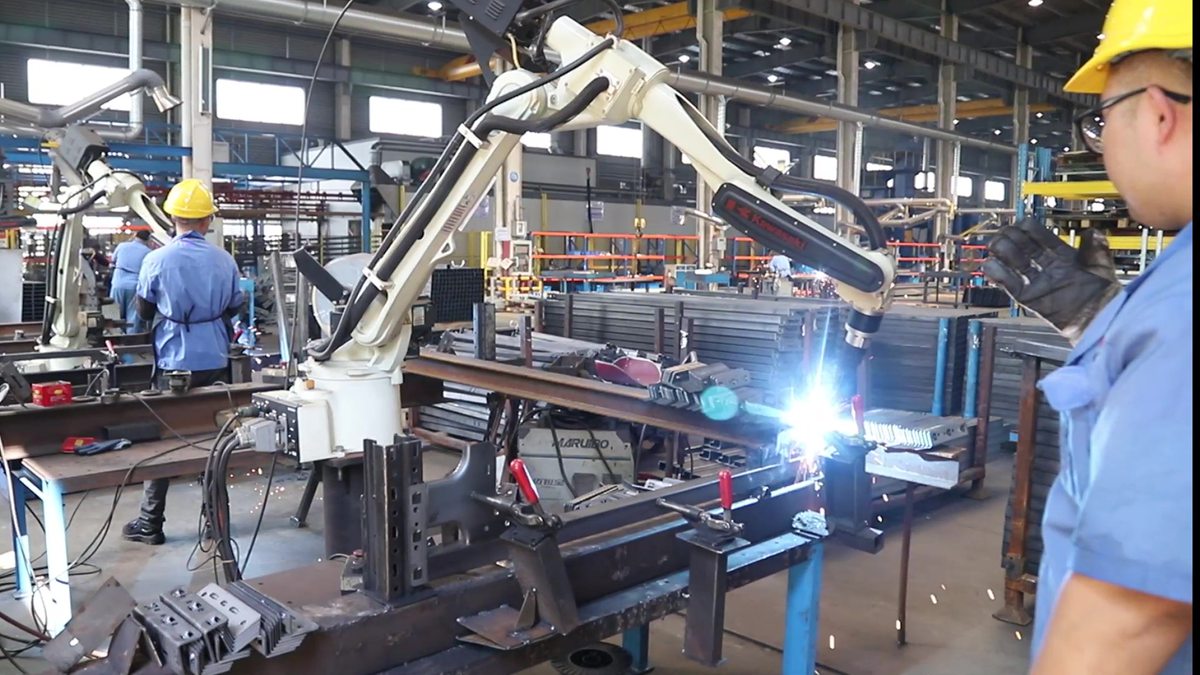
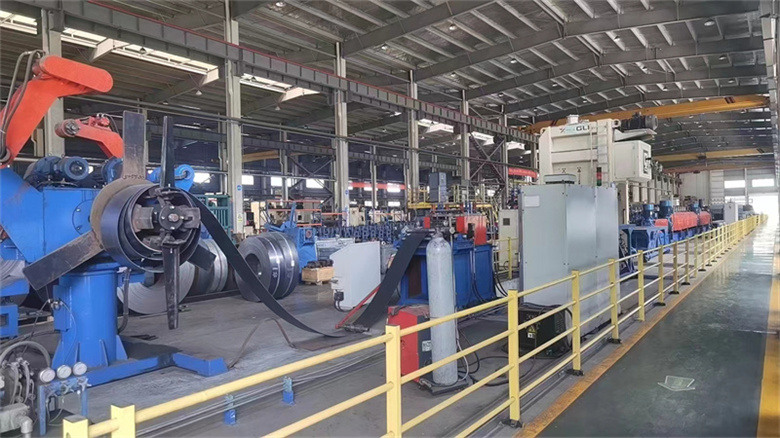
Precision manufacturing operations featuring automated robotic welding and high-precision roll forming lines.

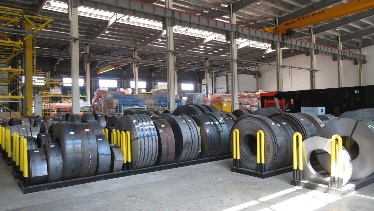
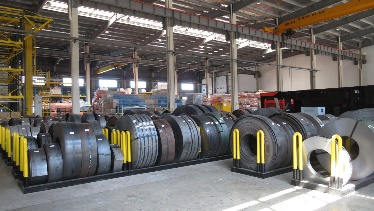
At Ebil Metal, our manufacturing lines operate under Industry 4.0 principles to balance manufacturing speed, structural precision, and raw material conservation. We procure high-grade certified Q235B and Q355B structural steel coils directly from China's leading state-owned steel mills, ensuring consistent metallurgical properties, high yield points, and excellent weldability.

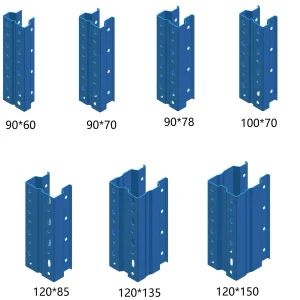
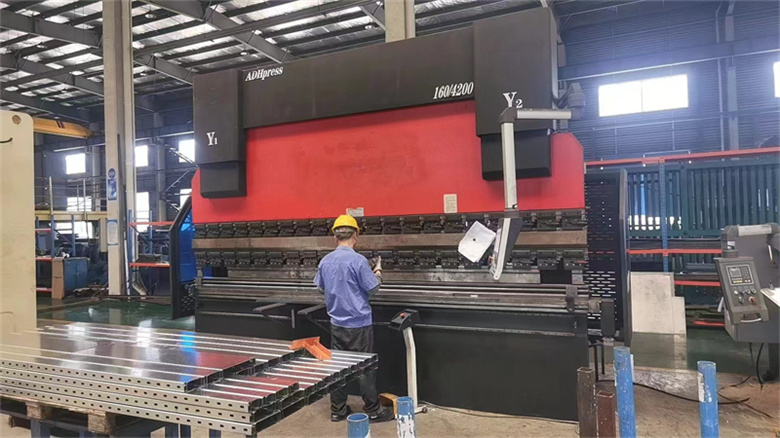
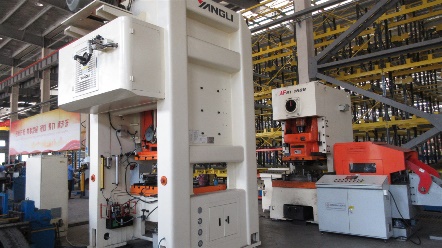
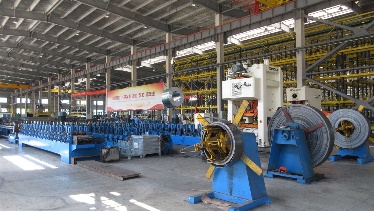
Our continuous cold roll forming mills dynamically profile upright frames with high dimensional accuracy. Computer-controlled punching stations ensure exact pitch spacing, enabling seamless beam adjustment. Upright frame bracing and baseplates are assembled utilizing robotic welding cells to produce consistent, clean fillet welds.
Global Enterprise Sourcing & Racking Engineering

Ensuring compliance, structural durability, and spatial utilization for large-scale enterprise deployments.

Custom OEM/ODM Capacity

Supported by 48 structural engineers, launching over 96 new system profiles annually. We tailor column sizes, beam configurations, and powder coat properties to fit distinct operational parameters.

Testing & Load Verification

Our quality department runs continuous mechanical property tests. All components undergo hardness, vertical load deformation, and paint adhesion tests before dispatch.

Global Standard Compliance

All structural designs align with AS4084 (Australia), RMI (United States), and EN15512 (Europe) codes, ensuring compliance with local construction and fire regulations.

Seismic Safety & Structural Math in Modern Warehousing

Industrial storage systems are not simple iron racks; they represent complex structural engineering configurations that must support thousands of tons of dynamic weight. Our engineering team conducts detailed Finite Element Analysis (FEA) to evaluate localized buckling, second-order structural displacements (P-Delta effects), and beam-to-column connector rigidity. In earthquake-prone areas, we provide heavy-duty baseplates, additional seismic bracing channels, and thickened uprights (featuring Q355B steel with higher yield strength) to ensure the system remains stable under peak ground accelerations.

Macro-Industry Warehousing Solutions

Providing customized warehouse infrastructure across logistics, manufacturing, retail, and heavy engineering industries.

Cold Chain & Storage

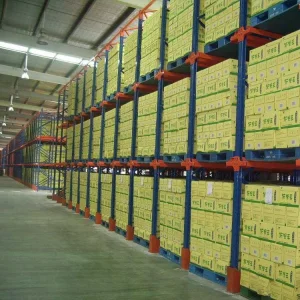
High-density Drive-In Racks and Radio Shuttle Systems designed for temperatures down to -30°C. Finished with specialized powder coatings to prevent corrosion in high-humidity areas.

Automated Warehousing

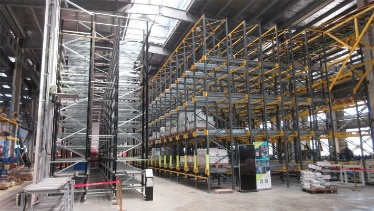
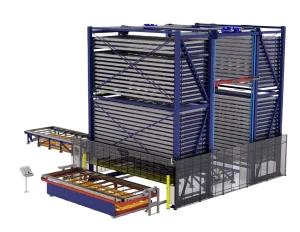
Integrated ASRS racking, multi-layer shuttle movers, vertical lifts, and AGVs working together via intelligent WMS/WCS software platforms to minimize labor costs.

Industrial & Long Goods

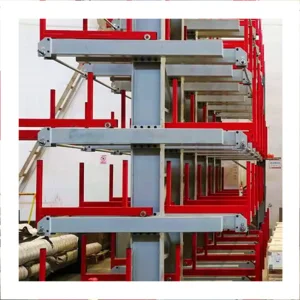
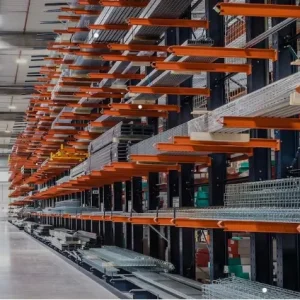
Heavy-duty cantilever racks designed to carry steel tubes, profiles, wooden planks, and sheet metal, preventing deflection and simplifying forklift retrieval.

E-Commerce Fulfilment

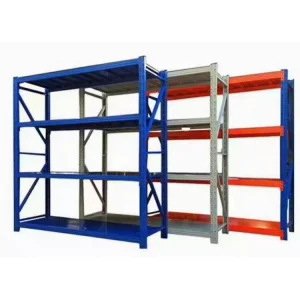
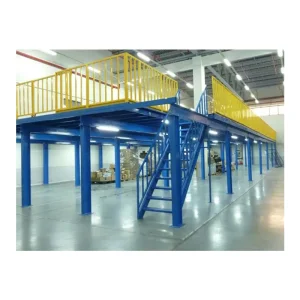
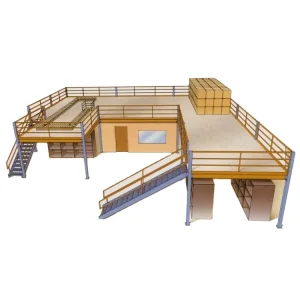
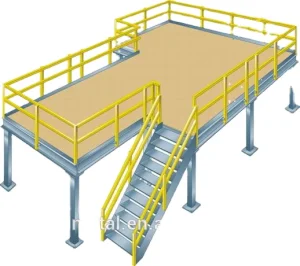
Multi-level structural steel mezzanine platforms and adjustable selective pallet racking that optimize vertical clearances and support fast-paced manual picking.

Technology Roadmap & Future Outlook

How Ebil Metal is driving the next generation of smart and sustainable industrial storage systems.

The warehouse racking industry is moving from simple static frames to dynamic, intelligent infrastructure. Our technology roadmap focuses on three main developments:

  1. IoT Structural Health Monitoring: Embedding load sensors and strain gauges into racking columns to monitor stresses in real-time. This system alerts warehouse managers to structural overload or damage from forklift impact before failure occurs.
  2. Eco-Friendly Surface Coatings: Investing in powder recycling technologies and zero-VOC electrostatic powder coatings to reduce the carbon footprint of our manufacturing process.
  3. Ultra-High ASRS Integration: Designing lightweight, high-tensile upright steel frames that support ASRS stacker crane heights exceeding 35 meters, while maintaining vertical tolerances within millimeter-level precision.

Industrial Racking FAQ: Expert Insights

Find answers to common technical, procurement, and structural questions about warehouse racking.

What are the primary differences between Q235B and Q355B steel in racking systems?
Q235B and Q355B are two grades of carbon structural steel widely utilized in Chinese manufacturing. The key difference lies in their mechanical yield strength. Q235B possesses a yield strength of 235 MPa, making it suitable for standard heavy-duty selective pallet racking, beam profiles, and mezzanine structural bracing.

In contrast, Q355B (equivalent to S355 steel under European norms) features a yield strength of 355 MPa, representing roughly a 50% increase in load-bearing capacity before plastic deformation occurs. Ebil Metal utilizes Q355B steel for high-clearance ASRS racks, deep-reaching drive-in setups, and key columns where high vertical loads and buckling resistances are required.
How do you calculate structural safety factors for heavy-duty selective pallet racking?
Racking structural calculations follow international structural guidelines (such as the American RMI specifications, Australian AS4084-2012, and European EN15512). The safety factor is defined as the ratio of the ultimate structural capacity to the maximum permissible working load.

Typically, racking structures are engineered with a safety factor ranging from 1.5 to 1.8. This safety margin accounts for dynamic forces during forklift pallet placement, minor accidental impacts, manufacturing tolerances, and spatial deviations during assembly. We conduct finite element testing on load-bearing components to ensure structural compliance with these ratios.
What international design standards does Ebil Metal comply with?
All design, engineering, and manufacturing phases at Ebil Metal comply with global structural engineering protocols:
  • RMI Standards (United States): Standard for the Design, Testing, and Utilization of Industrial Steel Storage Racks.
  • AS4084-2012 (Australia): Steel Storage Racks regulation standard.
  • EN15512 / EN15620 (Europe): Adjusting tolerances and structural deflection limits for static steel pallet racking systems.
We hold formal CE and SGS certifications to ensure cross-border regulatory compliance.
How do automated shuttle systems (ASRS) optimize cold storage energy efficiency?
Cold storage warehouses consume substantial energy maintaining temperatures down to -30°C. Standard selective racking requires numerous operating aisles for forklifts, resulting in lost refrigerated space.

By integrating automated radio shuttle systems (ASRS), storage density increases by up to 80% through deep-lane configurations (LIFO/FIFO), minimizing cold room volumes. Additionally, ASRS systems reduce forklift operations and heat transfer through access doors, significantly lowering electricity costs.
What is the typical lead time for customized OEM/ODM industrial racking orders?
Standard high-volume projects are manufactured within 20 to 30 working days following deposit confirmation and drawing approval.

Custom tooling modifications, specific powder coat colors, or non-standard profiles may extend this period by 5 to 10 days. Our facility is equipped with automated roll forming mills and robotic welding stations that allow us to output over 100 containers monthly, ensuring timely delivery for global installations.
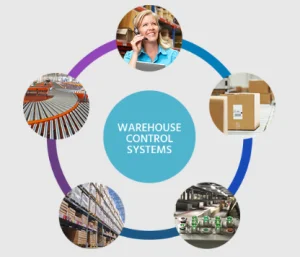
How do WMS, WCS, and WES software interact in an automated warehouse?
In modern automated warehouses, these three software systems manage different levels of the operation:
  • Warehouse Management System (WMS): Manages high-level inventory data, tracking SKU locations, order processing, and receiving workflows.
  • Warehouse Control System (WCS): Acts as the intermediary, translating WMS inventory instructions into operational commands for material handling hardware, such as conveyors, shuttle cars, and automated cranes.
  • Warehouse Execution System (WES): Dynamically schedules and optimizes material flow in real-time, directing AGVs and human pickers to prevent bottlenecks.
Our software suite integrates with your existing ERP configurations via standard API interfaces.
Why is Sa2.5 sand-blasting critical for powder coating adhesion?
Racking steel components often carry mill scale, rust, and manufacturing oils. Applying powder coatings directly over these contaminants leads to premature paint flaking and corrosion, especially in humid environments.

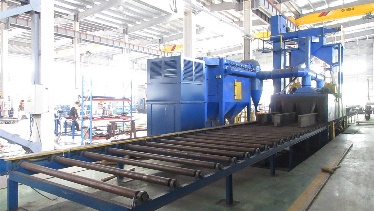
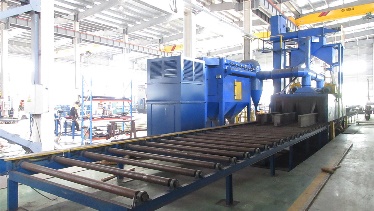
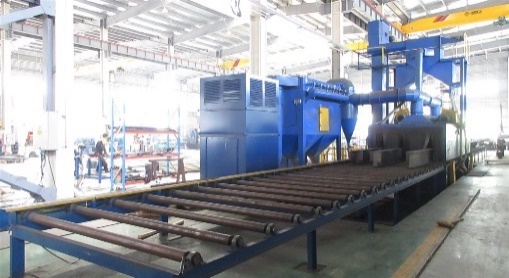
We process all roll-formed steel through automated Sa2.5 grade shot-blasting machines. This process removes at least 95% of surface rust and mill scale, creating a clean, textured profile. The electrostatic powder then adheres securely to the steel surface, passing cross-cut tests and salt spray exposure tests.
How does a structural steel mezzanine platform increase floor space utilization?
A structural steel mezzanine platform utilizes the overhead vertical clearance of a facility, effectively doubling or tripling the usable floor space without expanding the building footprint.

These platforms are designed as self-supporting, bolted steel systems, eliminating the need for poured concrete slabs. Mezzanines can support heavy-duty storage shelves, modular office installations, or assembly lines. Column grids are designed to match existing traffic patterns, maintaining clear ground-floor pathways for forklifts and pallet jacks.