Engineered for high density, optimal structural integrity, and integration within fast-paced industrial zones across Singapore.
Analyzing land utilization, rising operational costs, and the implementation of Smart Logistics policies in Singapore.
As a preeminent global logistics hub, Singapore handles a significant share of the world's transshipment traffic. Key logistics hubs, such as the Tuas Mega Port, Changi Logistics Park, and industrial clusters managed by the JTC Corporation, operate under strict space constraints and high land premiums. Traditional warehouse structures with conventional selective racking are increasingly inefficient under these economic conditions.
Industrial storage operators in Singapore are transitioning from manual labor-intensive operations to automated systems. The integration of Radio Shuttle Car Systems (semi-automated high-density storage) provides a scalable solution to optimize vertical height and footprint utilization without the capital expenditure of fully automated AS/RS facilities.
Under Enterprise Singapore's Smart Industry Readiness Index (SIRI), companies transitioning to high-density semi-automated solutions like Radio Shuttle systems can optimize floor utilization by up to 80% while qualifying for local productivity grants.
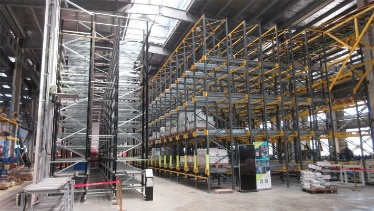
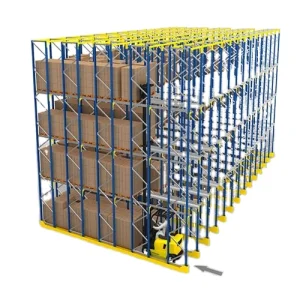
Singapore's industrial sites require maximum volumetric storage. Radio Shuttle racking eliminates access aisles, allowing depth configurations of up to 40+ pallets deep.
With tightening foreign worker quotas (S Pass & Work Permit levies) in Singapore, deploying semi-automated shuttle systems reduces forklift driver dependency by over 50%.
Singapore's food logistics and pharmaceutical hubs (GMP certified) require temperatures down to -25°C. Ebil's cold-room ready Radio Shuttle Cars are optimized to perform efficiently in sub-zero environments, preventing thermal battery degradation.
A technical overview of the components, electronics, and structural layout of the automated carrier system.
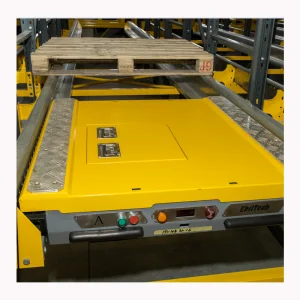
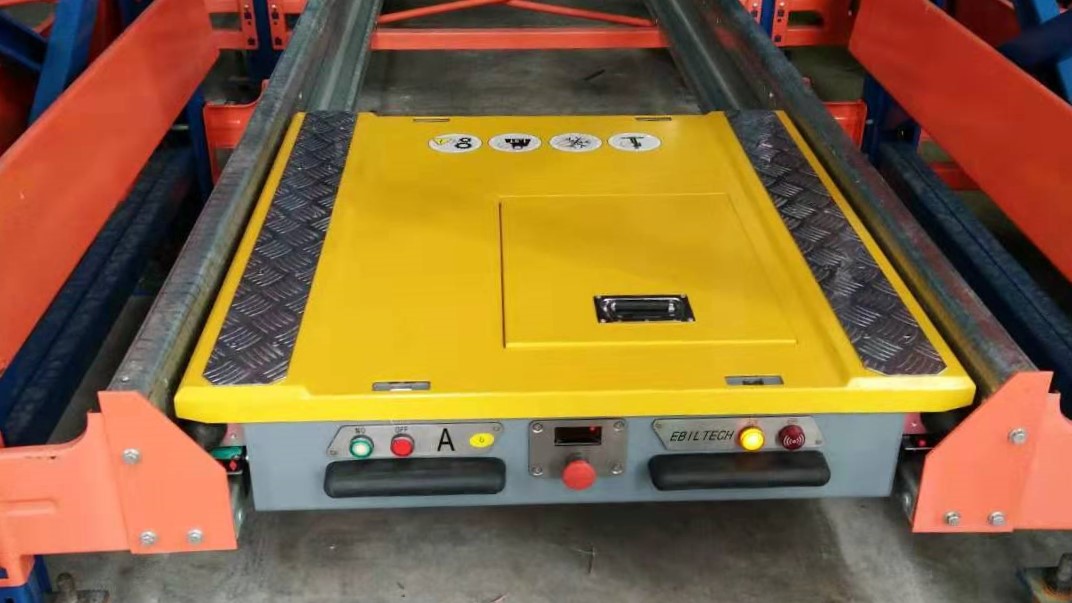
The Radio Shuttle system is a semi-automated deep-lane storage design. The system utilizes an independent Radio Shuttle Car (pallet runner) that moves within dedicated guide rails in the racking channels. Forklifts place the shuttle car in the desired lane, and the operator uses a wireless transmitter to command the car to lift, carry, and deposit loaded pallets deep into the racking structure. This decouples the forklift travel time from the storage cycle, optimizing throughput rates.
| Technical Parameters | Specification Range / Capability | Industrial Application Value |
|---|---|---|
| Rated Load Capacity | 500 kg to 1,500 kg per pallet unit | Accommodates FMCG, heavy chemicals, and machinery parts |
| Travel Speed (Loaded / Unloaded) | 0.8 m/s (Loaded) | 1.1 m/s (Empty) | Optimizes cycle times in fast-moving consumer goods distribution |
| Battery System | Lithium Iron Phosphate (LiFePO4) - Quick Charge | Provides 8-10 hours of continuous operation; supports partial charging |
| Control System | Integrated Siemens / Mitsubishi PLC Board | Enables precise positioning, automated obstacle detection, and status feedback |
| Temperature Range | Standard: -10°C to +45°C | Cold Store: -25°C to -30°C | Suitable for pharmaceutical and temperature-controlled food logistics |
| Wireless Communication | Industrial RF 433 MHz / Wi-Fi 2.4 & 5.8 GHz | Ensures robust, interference-free control inside structural steel racking lanes |
Ideal for non-expiring goods stored in bulk. The racking system is accessed from a single side. The forklift positions the shuttle, which retrieves or deposits the pallet at the front face. This configuration maximizes space efficiency by eliminating one of the access aisles.
Essential for pharmaceutical, chemical, and food industries where shelf-life tracking is critical. Storage operations are managed from one side, and retrieval is processed from the opposite face. This ensures strict inventory rotation in compliance with Singapore HSA guidelines.
Complementary storage configurations designed to integrate with automated warehousing workflows.
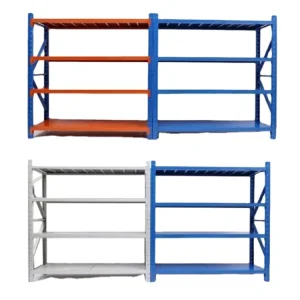
Why regional procurement managers partner with Guangdong Ebil Metal Products Co., Ltd. for structural steel fabrication.
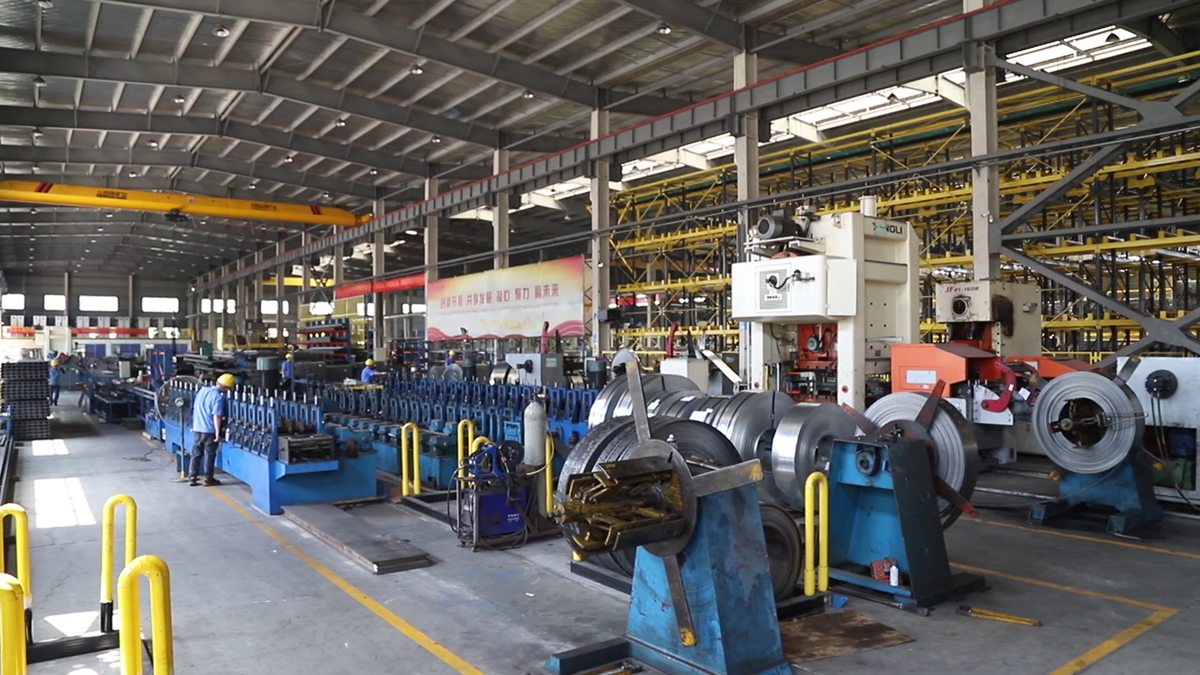
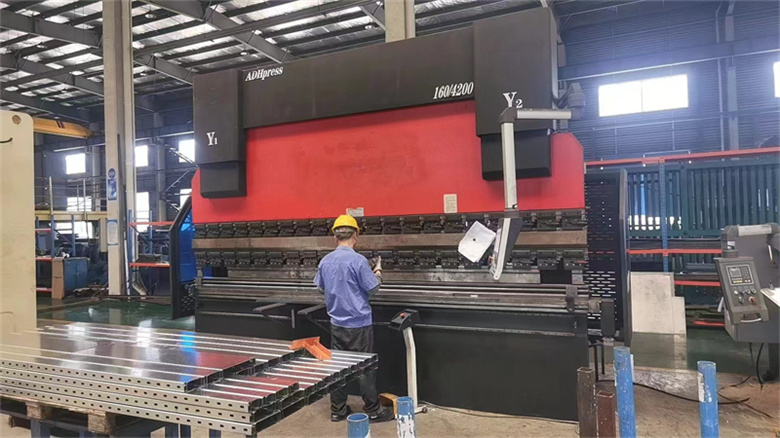
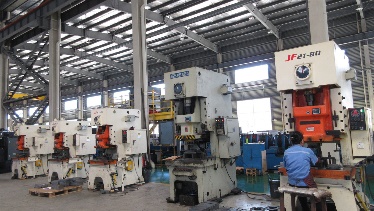
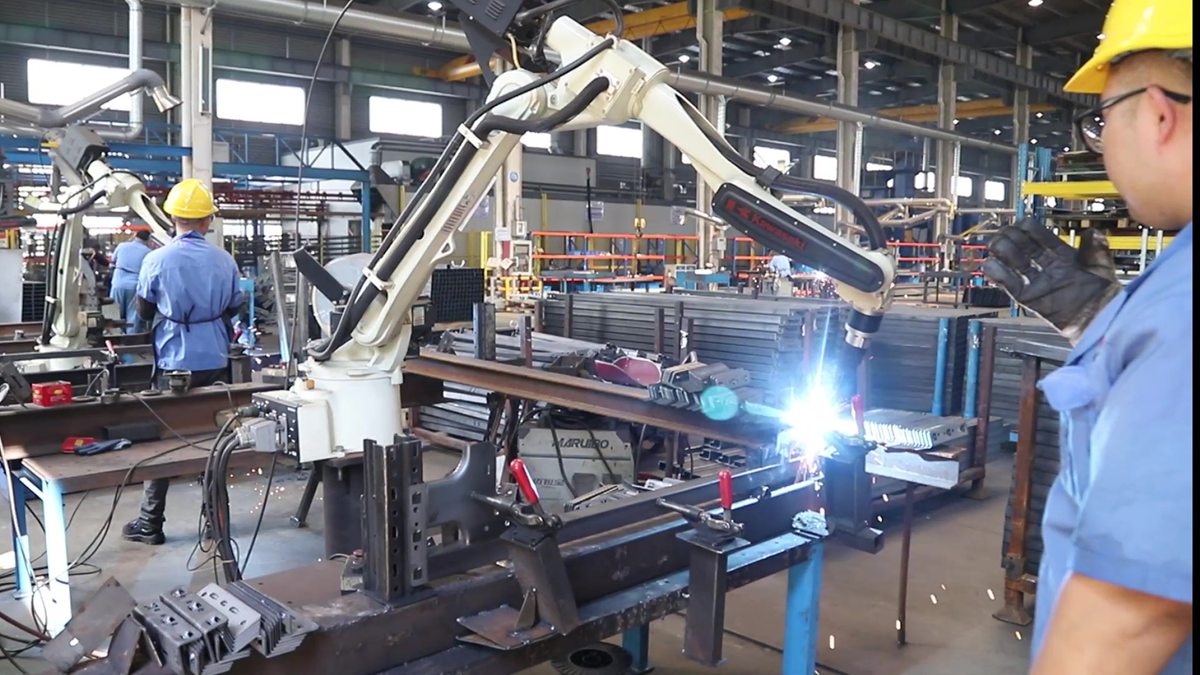
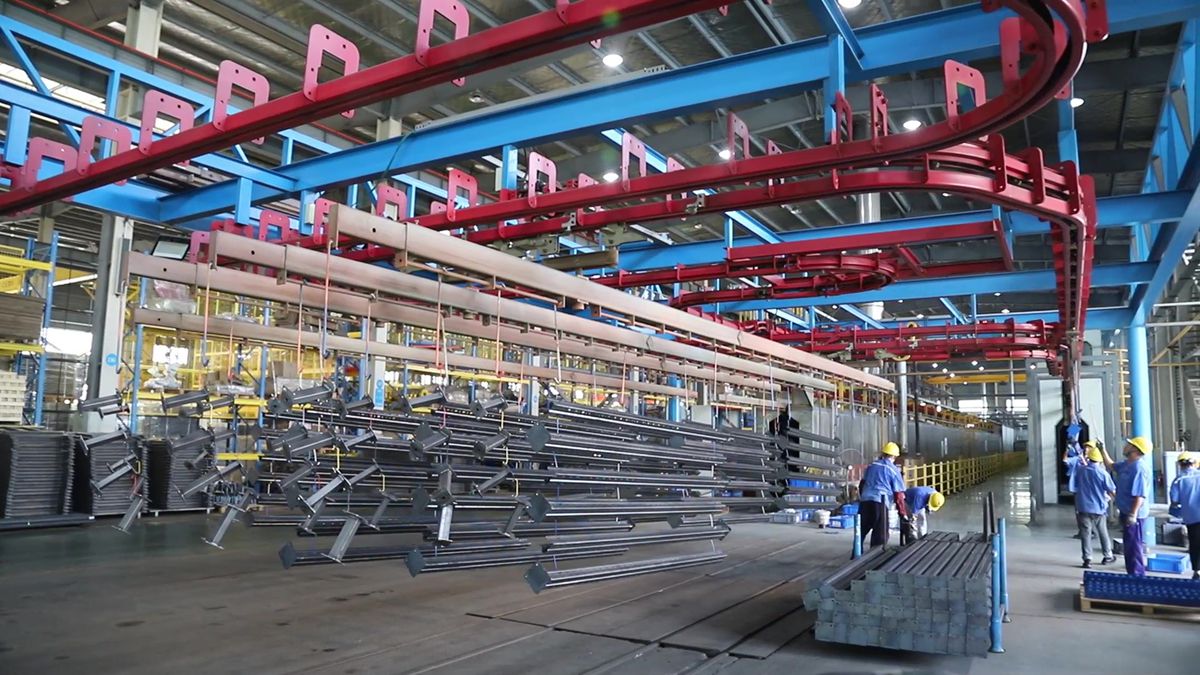
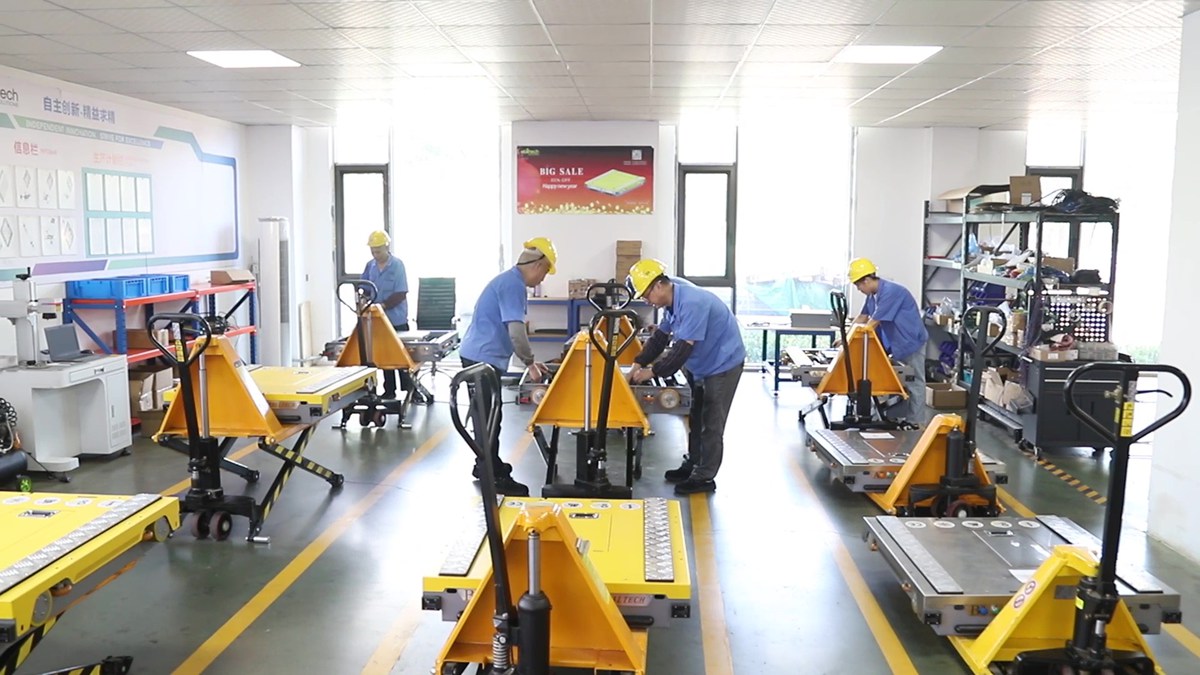
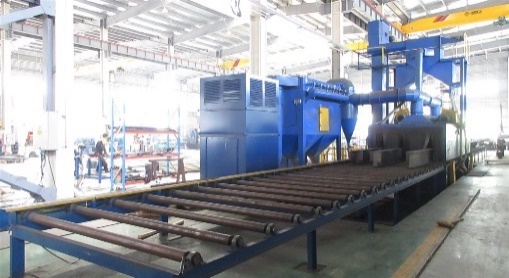
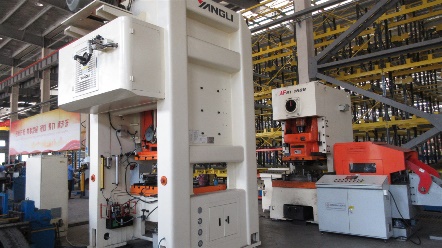
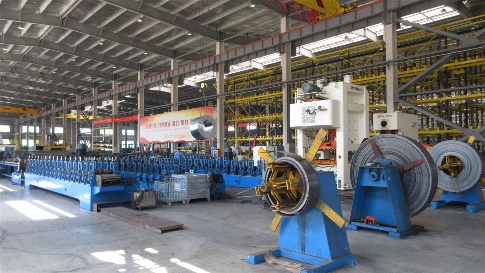
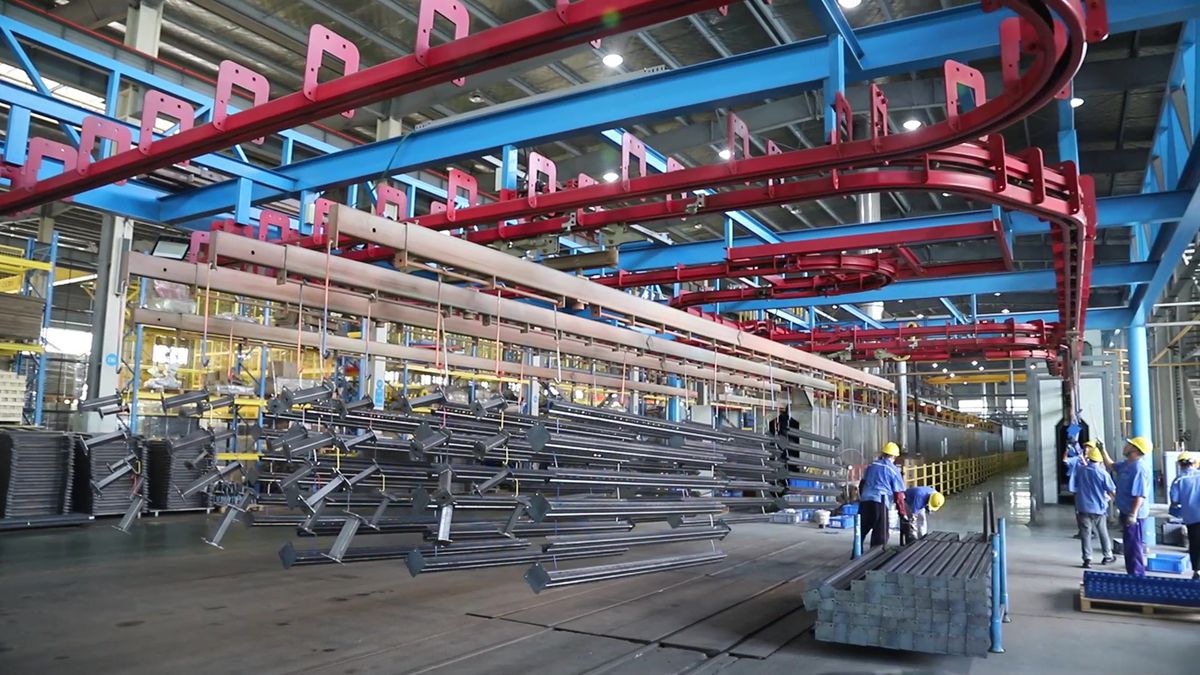
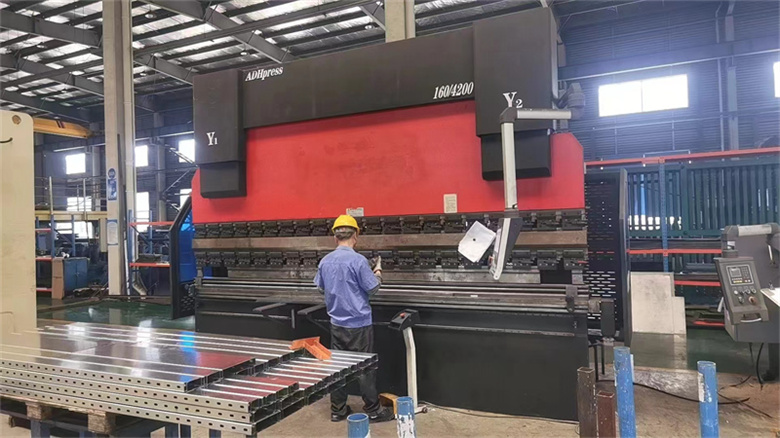
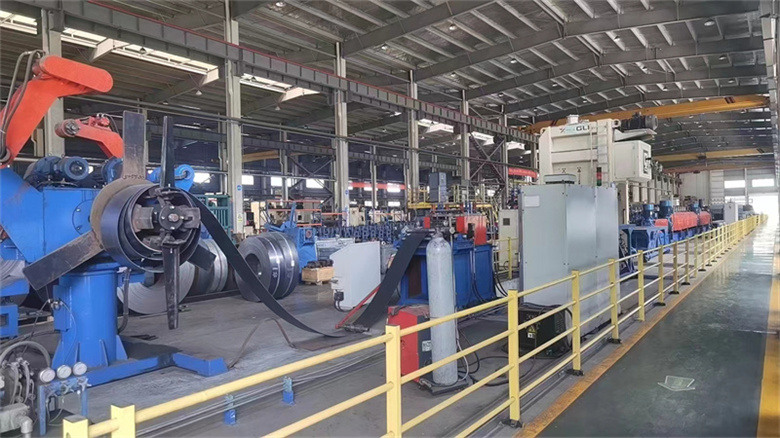
Established in 2017, Guangdong Ebil Metal Products Co., Ltd. has grown into a modern manufacturing enterprise. Our factory features automated roll forming lines, robotic CO2 gas-shielded welding systems, CNC shearing and bending machines, and automated electrostatic powder coating lines. We produce structural steel storage products designed to meet European FEM and American RMI standards.
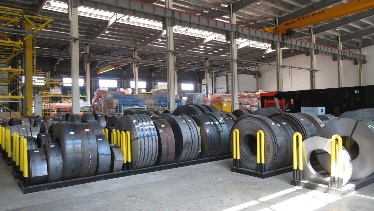
We source raw materials exclusively from state-owned steel mills, utilizing high-tensile Q235B and Q355B steel. These grades provide the yield strength and elasticity required for seismic stability and dynamic load absorption in high-bay structures.
Before dispatch, every production batch undergoes standard quality inspections to ensure reliability under load:
Visual verification of our vertical production line, robotic assembly, and material quality assurance tests.
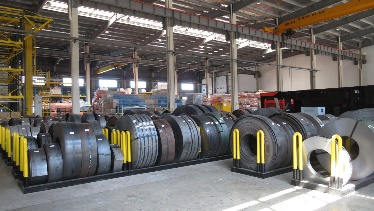
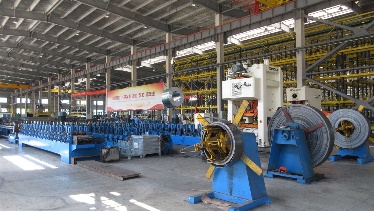
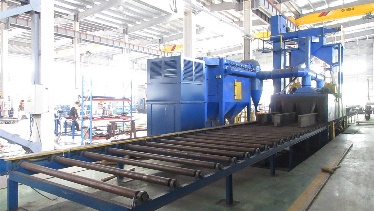
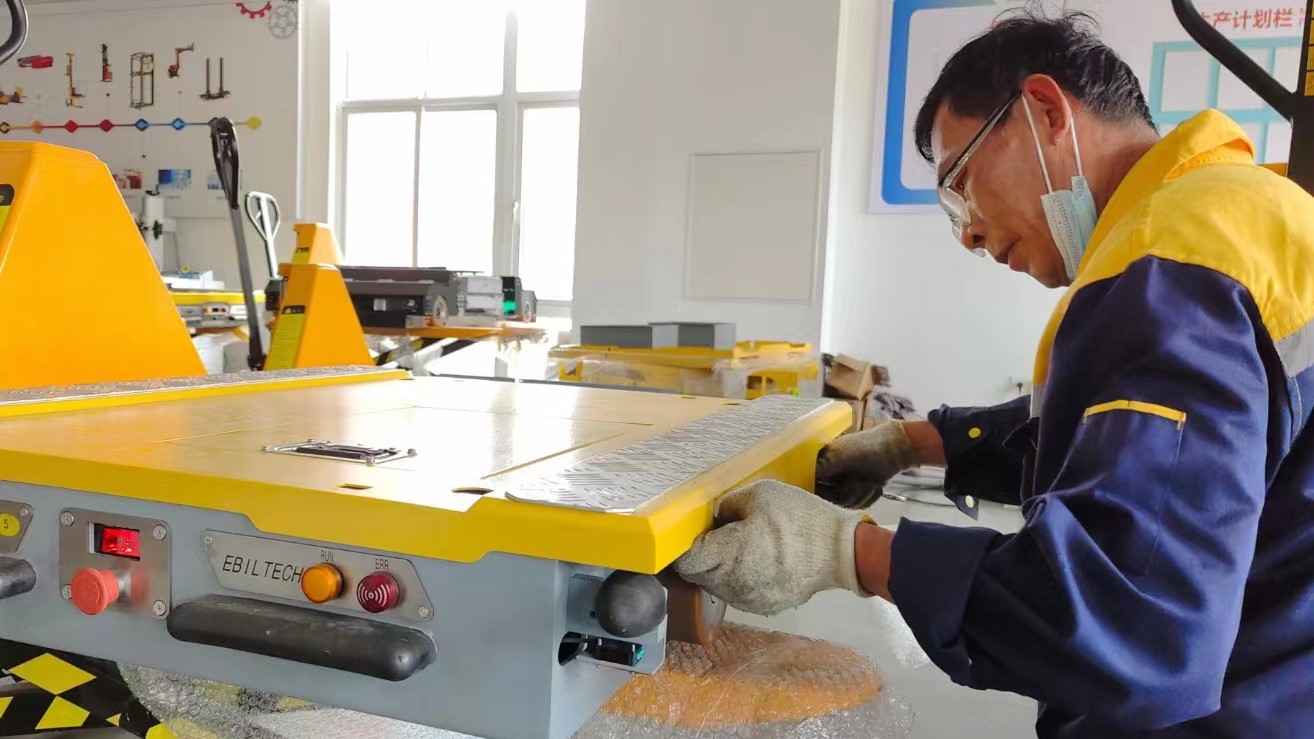
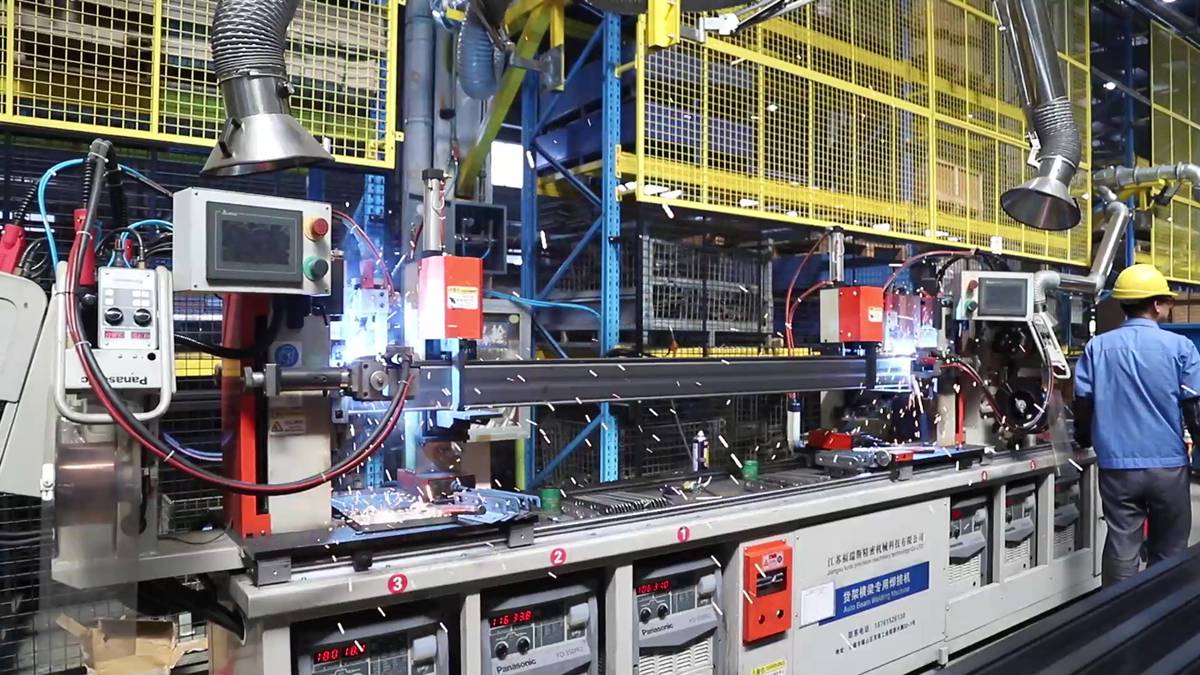
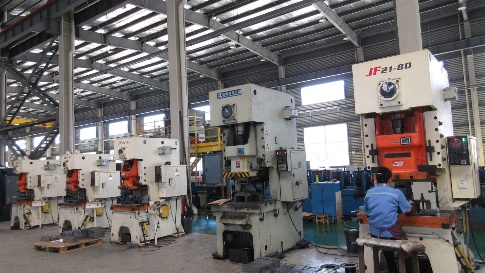
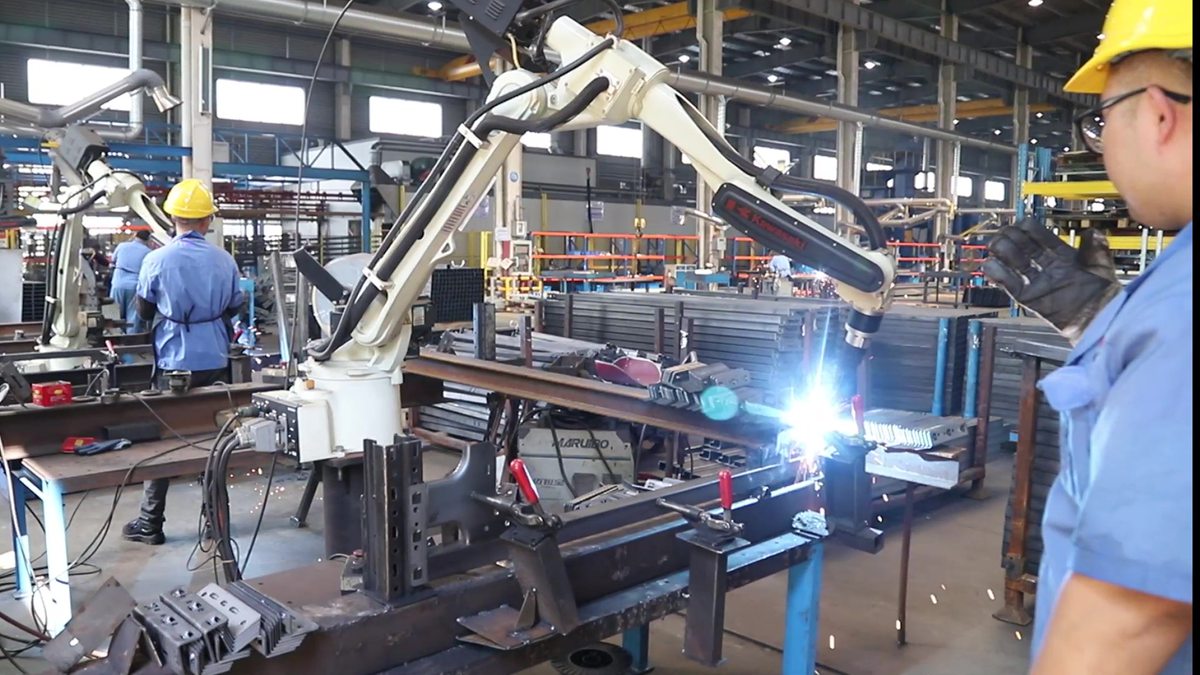
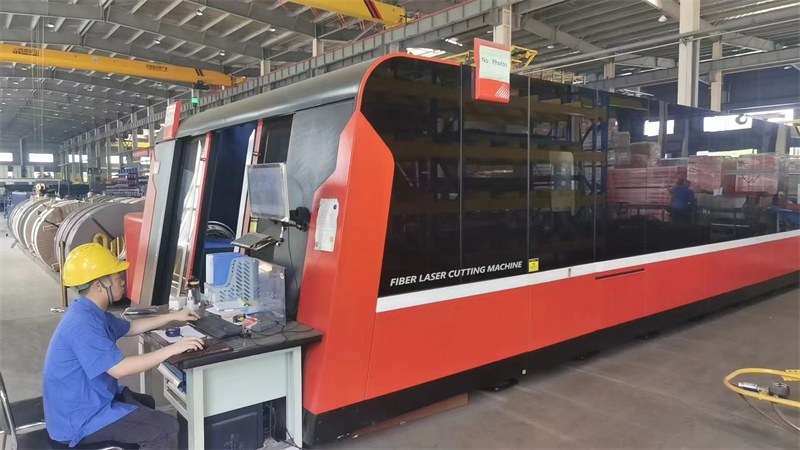
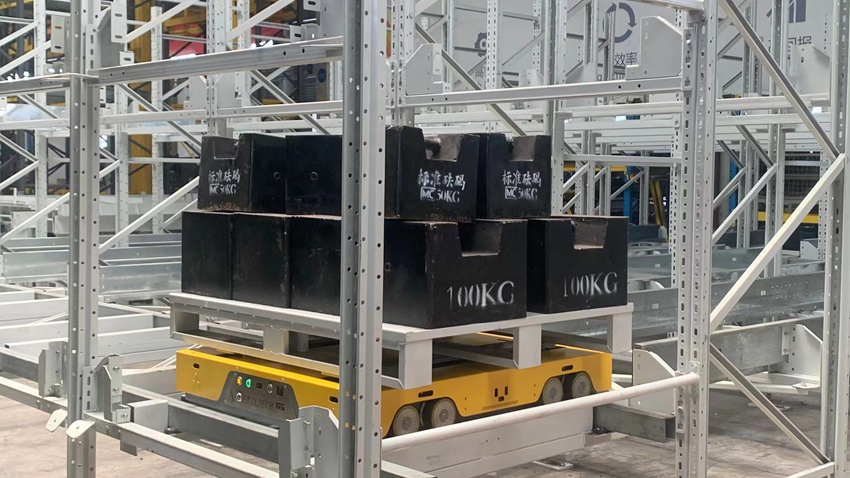 Load Bearing Test
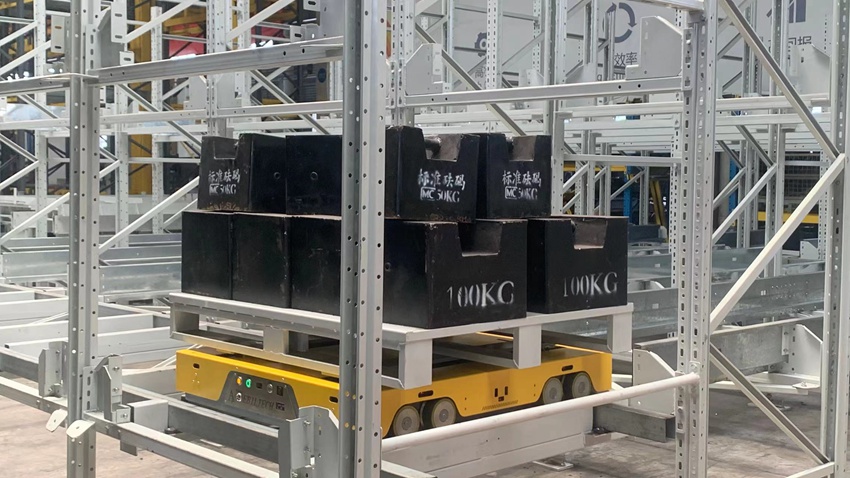 Load Tester
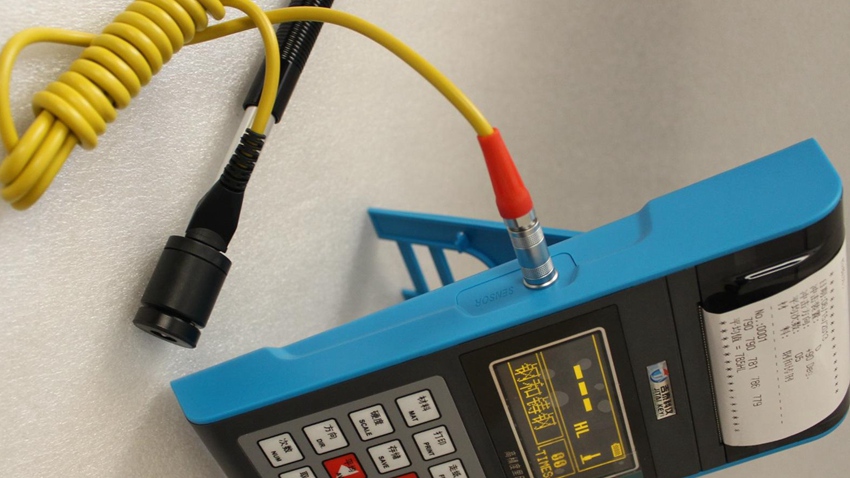 Hardness Tester
Understanding the operational capabilities of standard shuttle systems compared to next-generation multidirectional carriers.
Standard 2D shuttle systems operate along the X-axis (depth direction) of a designated racking lane. A forklift must transport the carrier when changing lanes.
4D systems move along both the X and Y axes, changing lanes independently. They integrate with vertical lifts to change levels without forklift intervention.
Answering common regulatory, structural, and procurement questions for engineering and logistics teams.
Yes. Our engineering department designs and manufactures structural steel racking in compliance with European EN 15512 codes, FEM regulations, and American RMI specifications. For local municipal approval, we supply structural calculation sheets, material mill certificates, and seismic compliance records to support BCA (Building and Construction Authority) submission processes.
To prevent rust in Singapore's tropical climate, Ebil racking undergoes a multi-stage pretreatment process followed by electrostatic powder coating. This creates a non-porous, corrosion-resistant surface finish. For extreme humidity or cold storage environments, we also offer hot-dip galvanized (HDG) steel components.
For cold chain applications operating down to -25°C, we supply temperature-compensated Lithium Iron Phosphate (LiFePO4) battery packs. These packs include integrated heating elements that keep the battery cells within their optimal operating range during travel, preventing the capacity drops common in standard lithium batteries.
Yes. Our shuttle cars can be integrated into broader automation setups. They utilize standard Wi-Fi protocols to communicate with Warehouse Control Systems (WCS), which coordinate transport tasks with your Warehouse Management System (WMS) to automate inventory tracking.
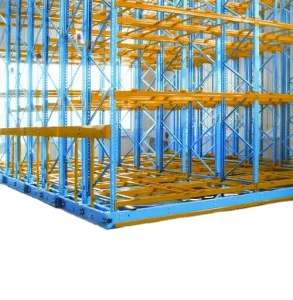
High-density structural configurations built from certified Q235B steel for industrial warehouses in Singapore.
Contact our engineering and design team to plan your facility layout, run load calculations, or receive a project quotation.
Send Inquiry Now Ebil Metal