Established in 2017, Guangdong Ebil Metal Products Co., Ltd. (referred to as Ebil or Ebilmetal) has matured into a benchmark manufacturing enterprise dedicated to high-density and heavy-load warehousing installations. Operating from a highly modernized 26,800 m² infrastructure, our plant houses fully automated roll forming lines, robotic welding stations, advanced plasma cutting tools, and modern electrostatic powder coating networks.
Our core capability lies in translating complex logistical needs into stable, compliant, and cost-effective physical assets. With 12 years of overall industrial engineering history paired with 8 years of international export logistics operations, Ebil has executed warehouse optimizations in over 60 countries across North America, Europe, Southeast Asia, Oceania, and the Middle East. Over 980 supply chain partners worldwide rely on our structures to carry millions of tons of operational inventory daily.
Our manufacturing facility regularly turns out varied rack formats tailored to precise spatial geometries and structural engineering requirements:
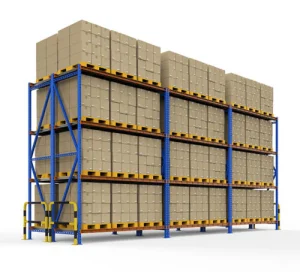
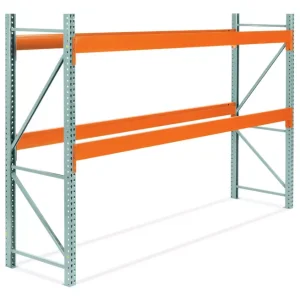
Selective pallet racking, dynamic flow racks, and US-style tear-drop adjustable frame systems engineered to sustain load profiles from 500kg up to 4000kg per level.
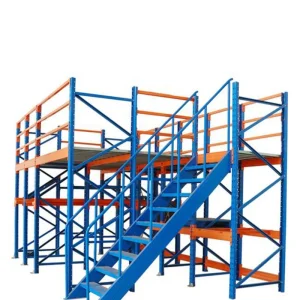
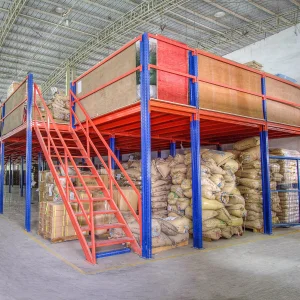
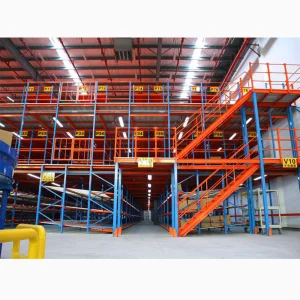
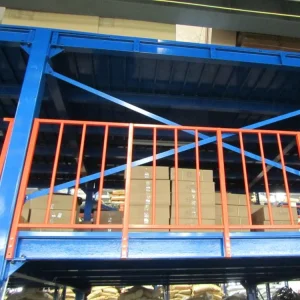
Multi-tier steel structure mezzanine floors and rack-supported catwalk installations that double or triple space utilization in high-clearance buildings.
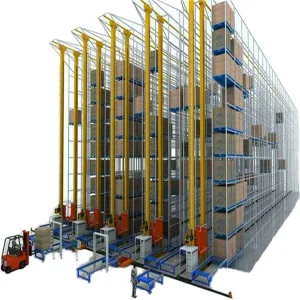
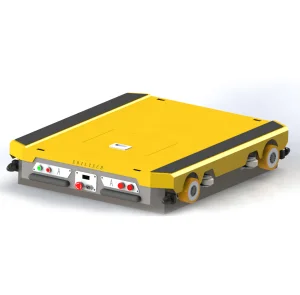
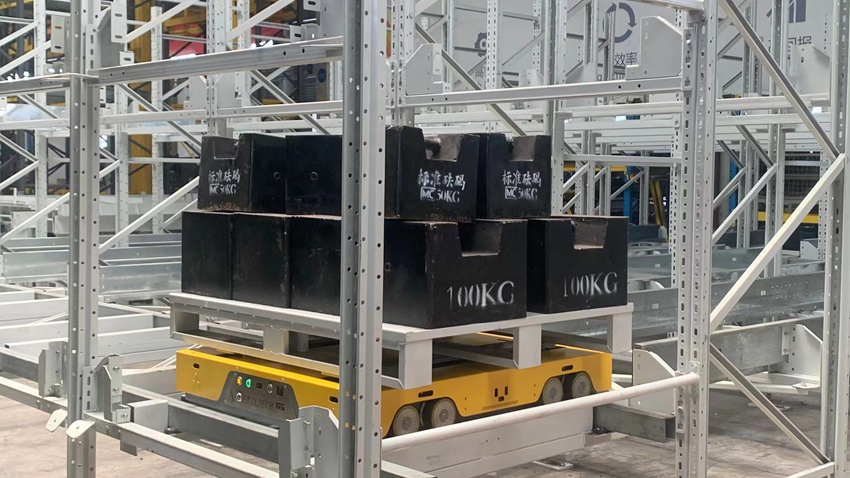
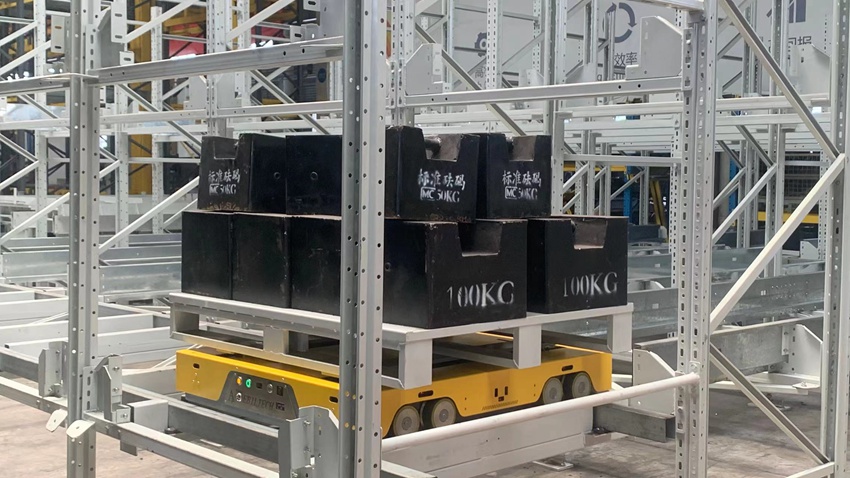
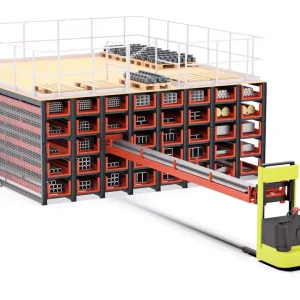
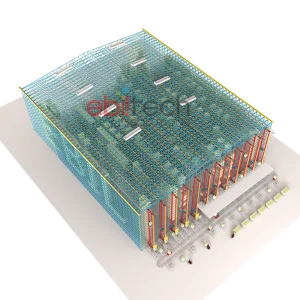
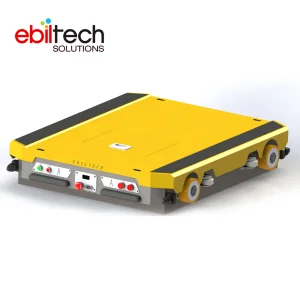
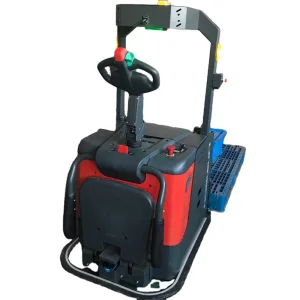
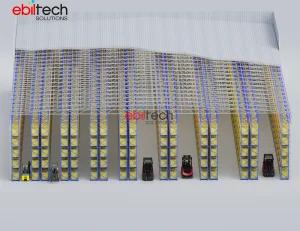
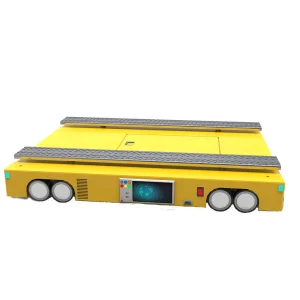
AS/RS automated storage crane integrations, 2-way and 4-way radio shuttles, self-supporting clad-rack buildings, and autonomous AGV robotic systems.
Sourcing industrial heavy-load storage racking from China provides multi-layered commercial advantages to international companies. In regions like Guangdong, the mature metallurgical and industrial manufacturing clusters allow us to leverage reliable supply chains and material availability. This efficiency reduces shipping cycles and stabilizes costs compared to domestic production in Western markets.
At Guangdong Ebil Metal Products Co., Ltd., we combine these structural economic advantages with rigorous internal processes:
| Aspect | Typical Market Baseline | Guangdong Ebil Metal Products Edge |
|---|---|---|
| Steel Grade Consistency | Variable, mill certificates missing or unverified. | Certified high-tensile Q235B and Q355B structural steel from top-tier Chinese mills. |
| Welding Integrity | Manual welding with potential heat-affected zone issues. | Precision automatic robotic welding networks for uniform structural stress dissipation. |
| Corrosion Resilience | Standard single-coat wet sprays prone to chipping. | Multi-stage pre-treatment, pickling, and electrostatic thermo-hardened powder coating. |
| Engineering Customization | Rigid size and capacity charts; high fees for bespoke setups. | 48-engineer strong in-house R&D department delivering custom OEM & ODM solutions. |
A heavy load rack system is a structural safety installation subject to high static and dynamic stresses. Our manufacturing steps follow strict quality control protocols from the initial raw material input to the final powder coating process. Under the guidance of our 56 professional quality inspectors, every batch is systematically tested to prevent deformities, weld failures, or surface oxidation.
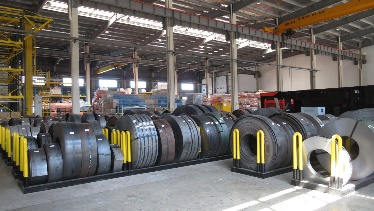
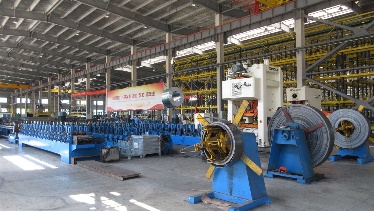
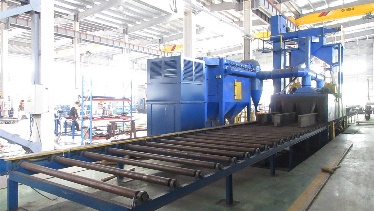
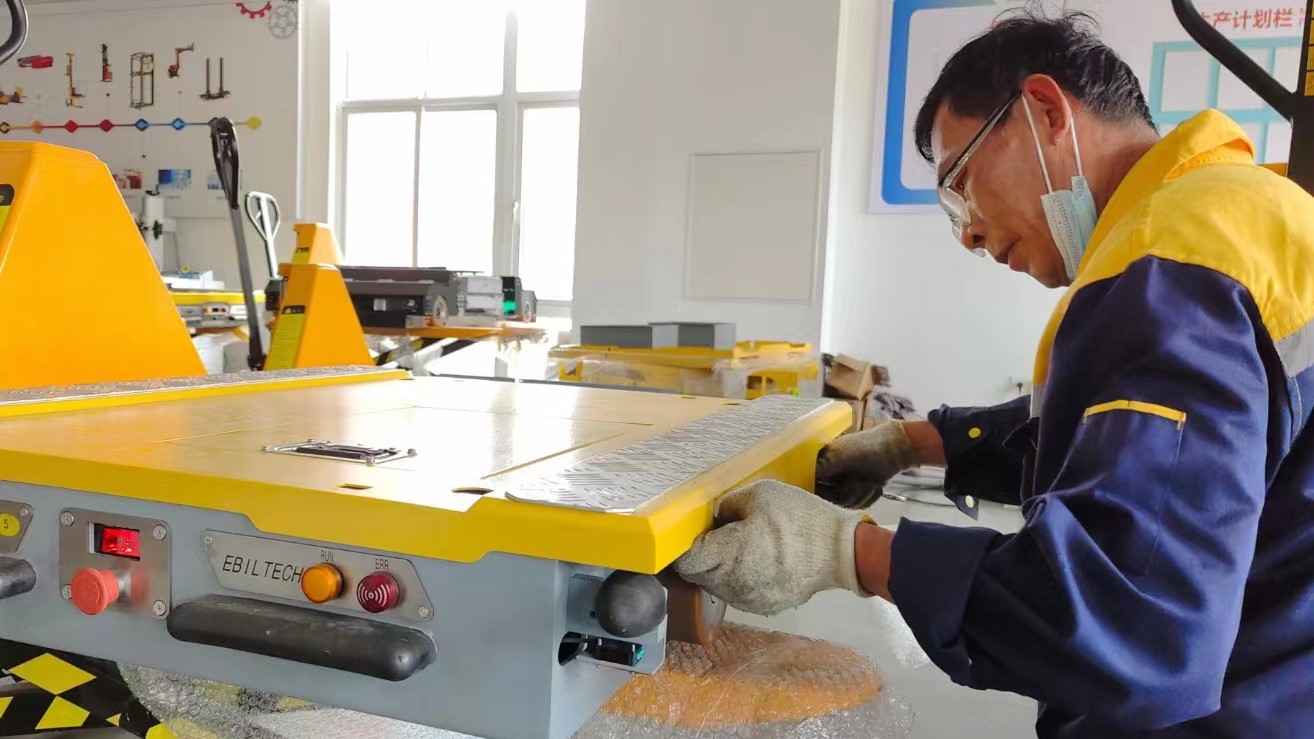
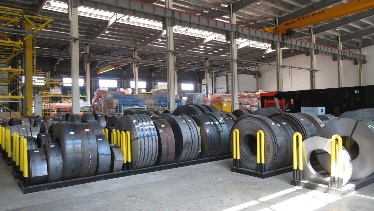
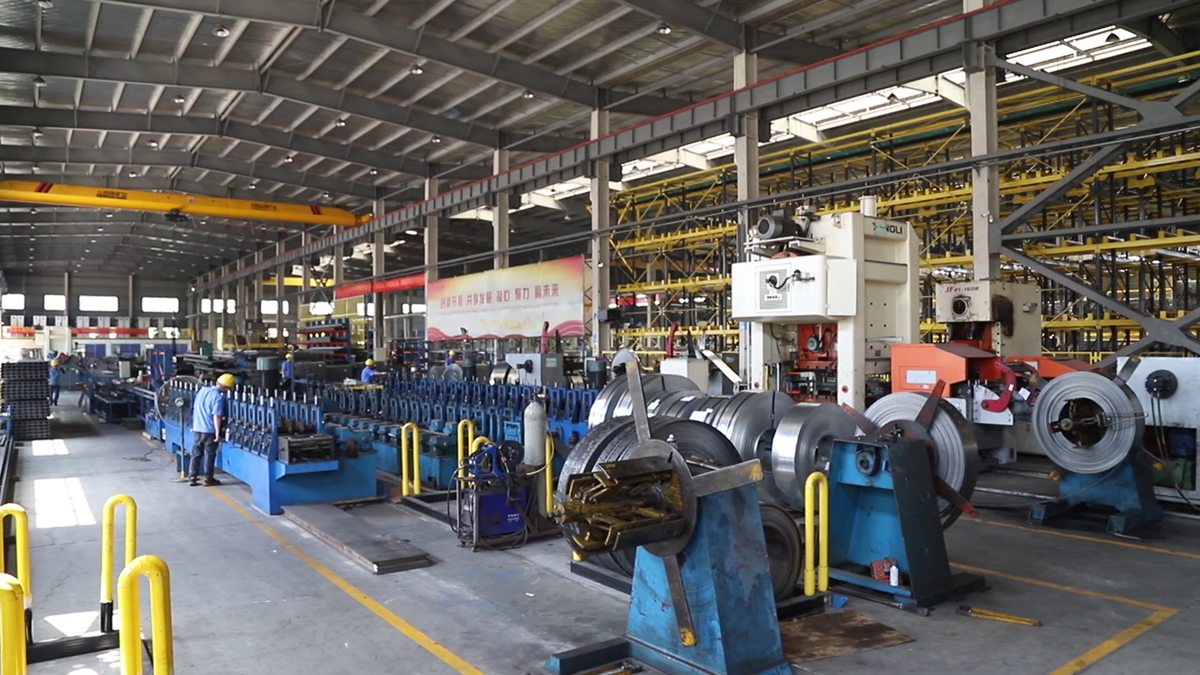
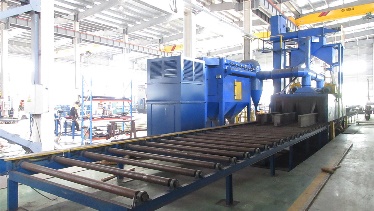
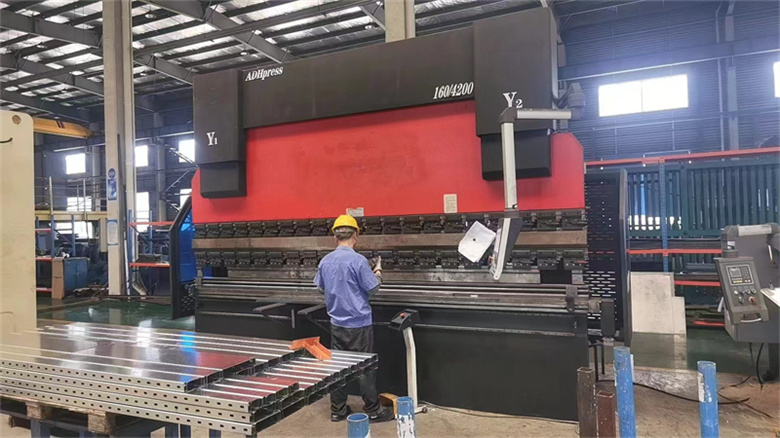
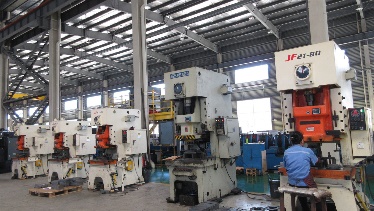
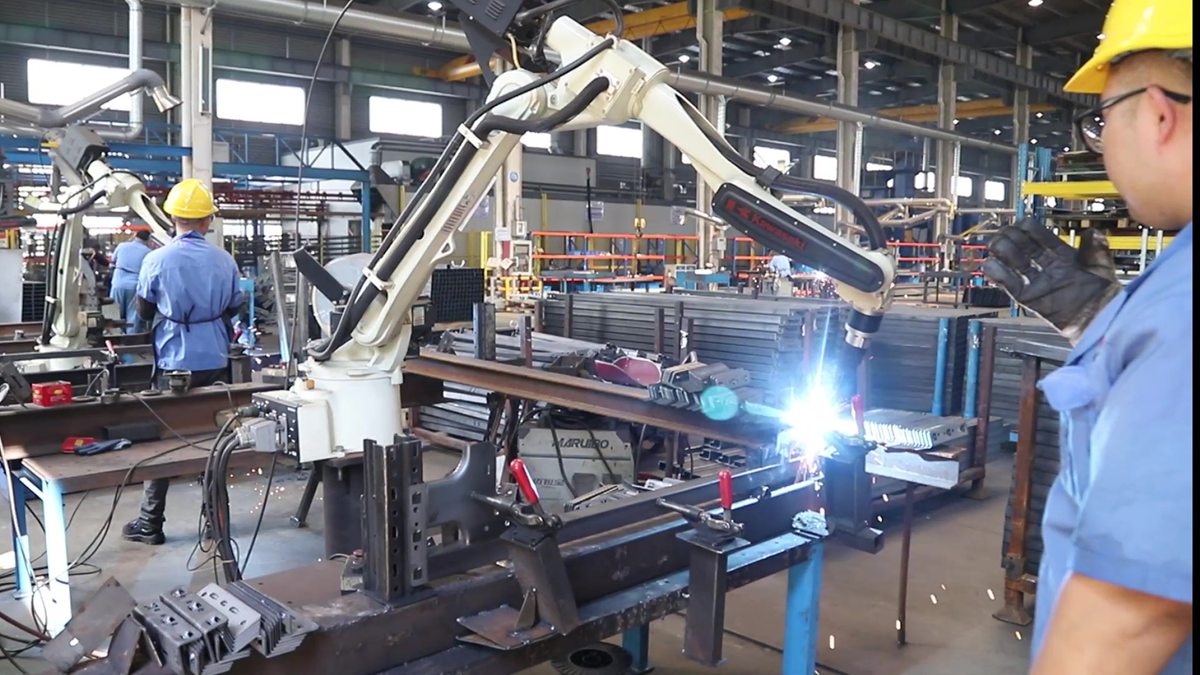
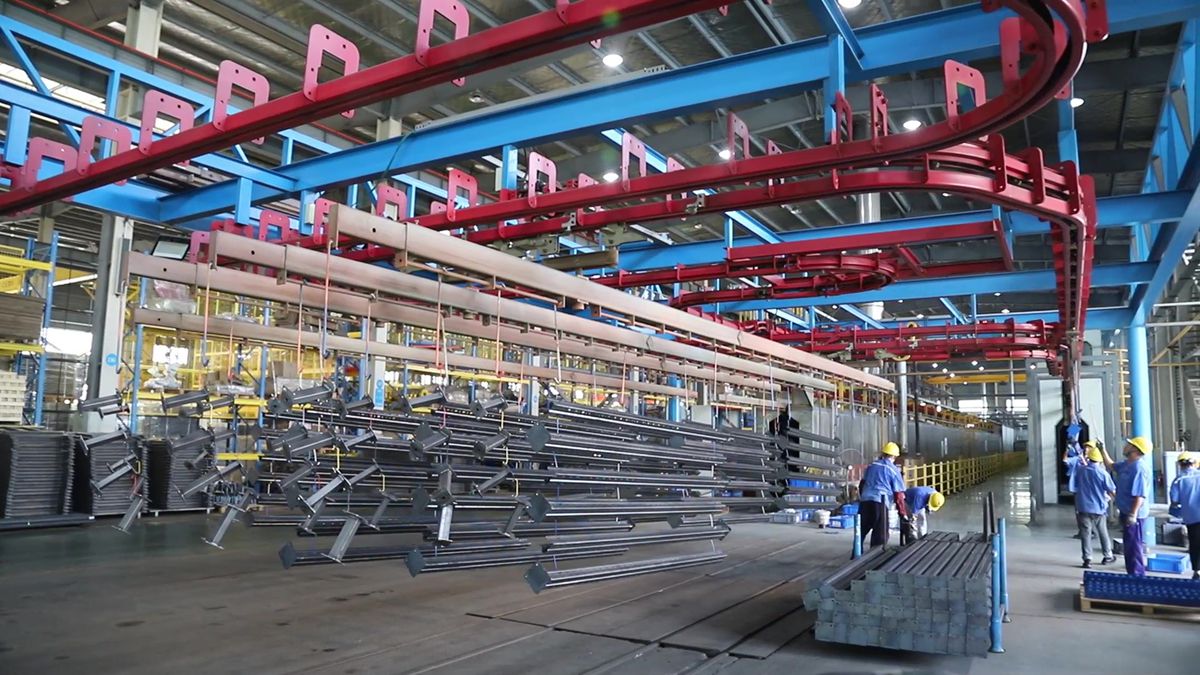
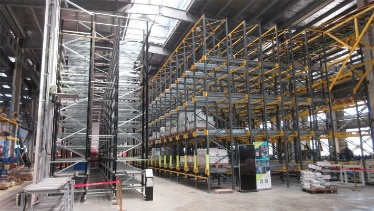
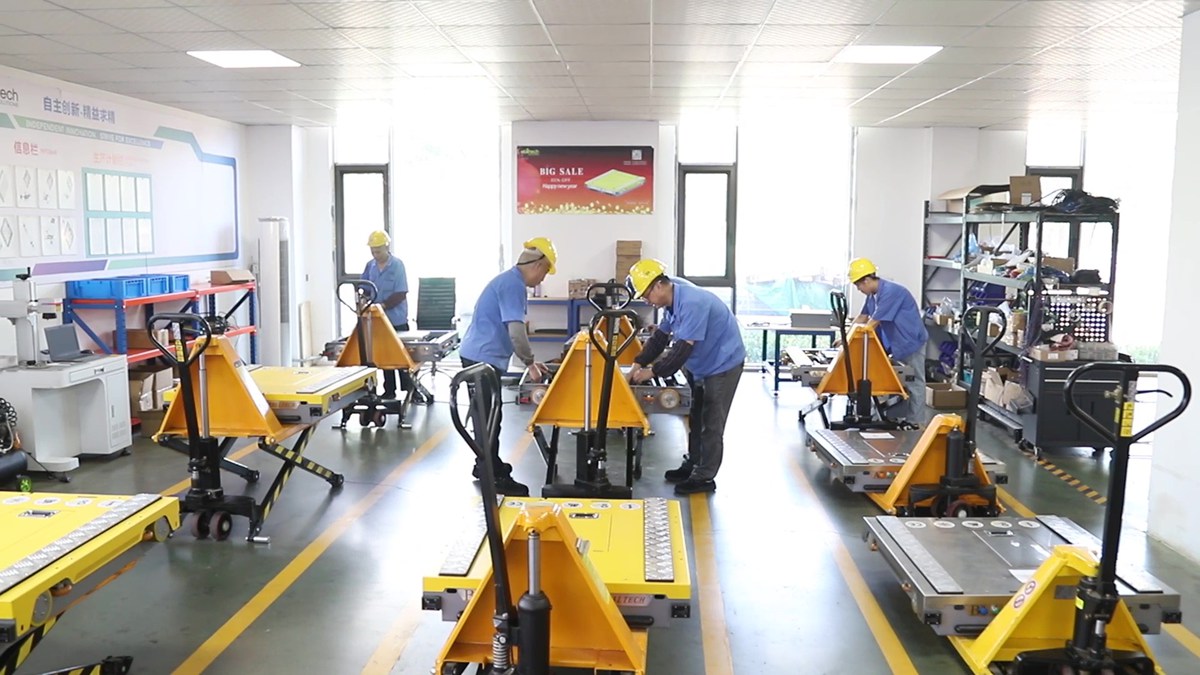
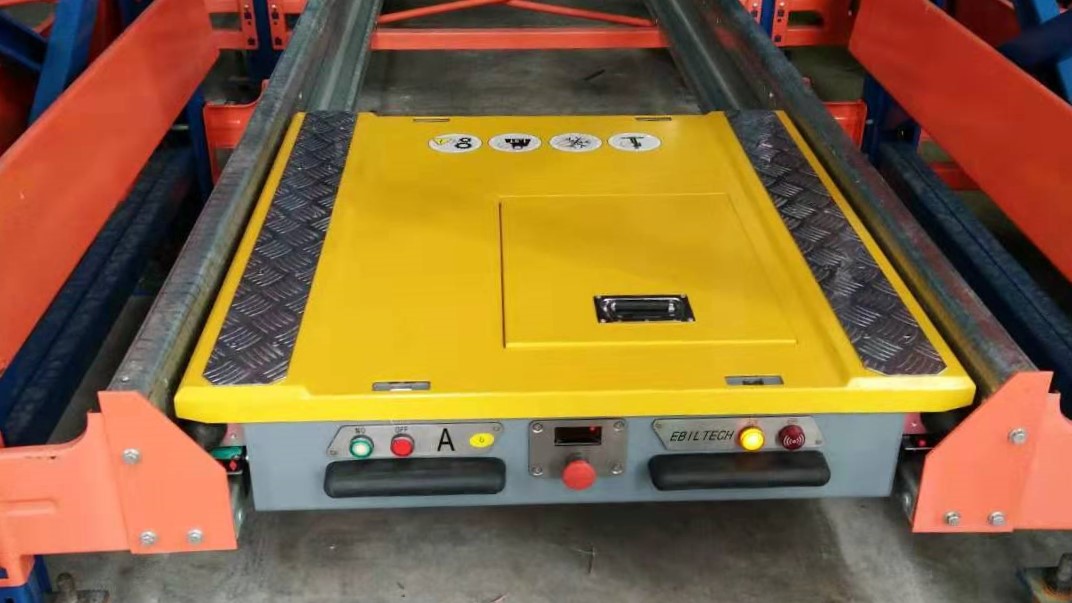
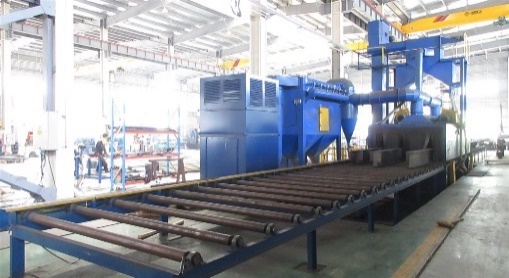
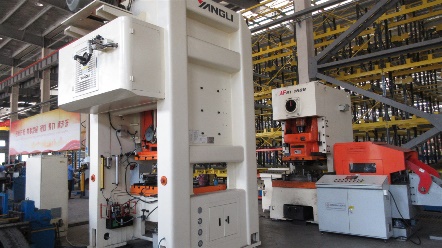
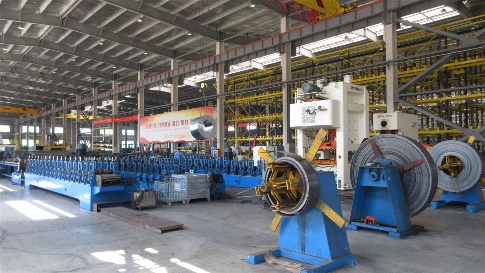
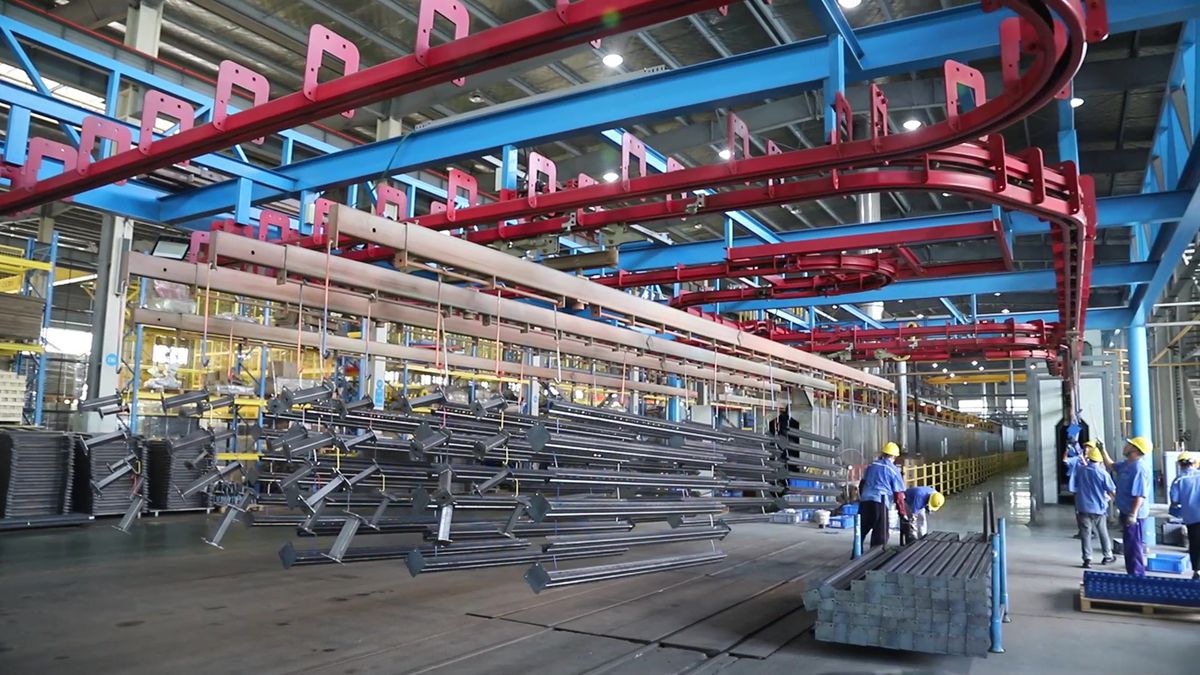
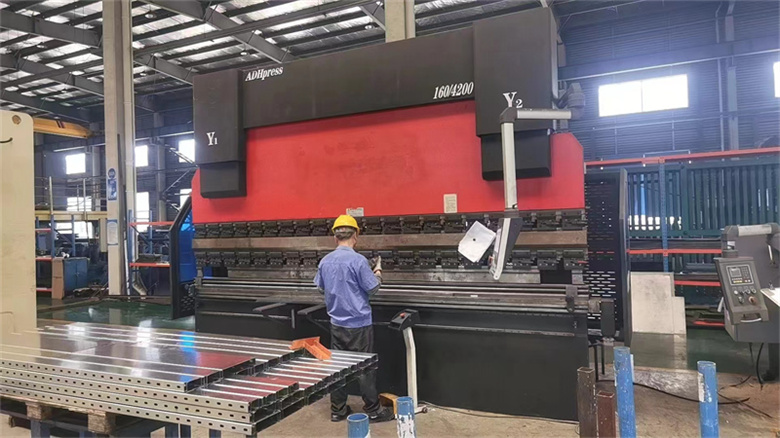
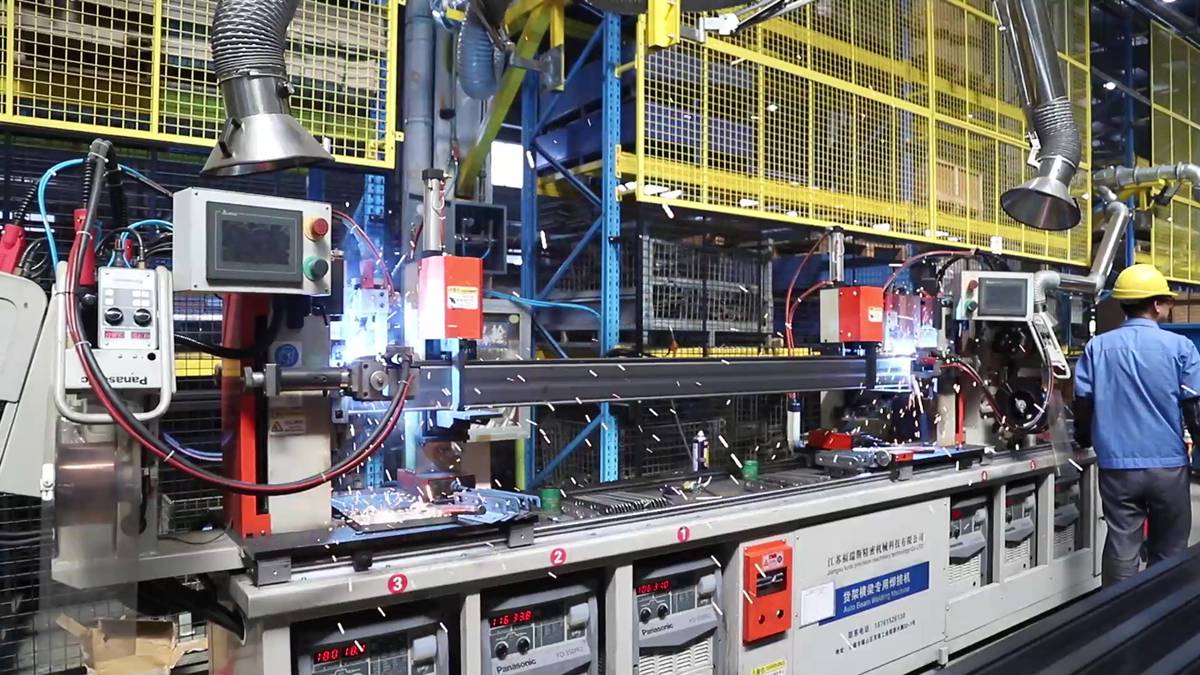
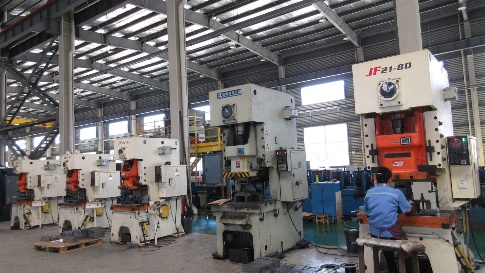
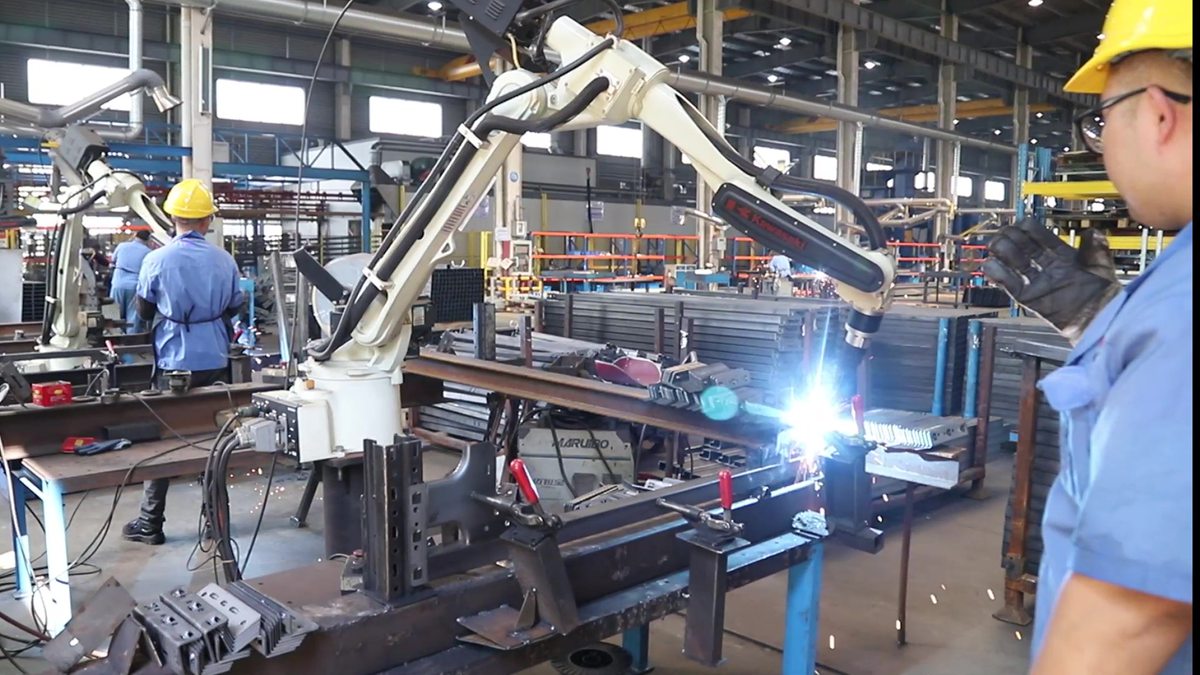
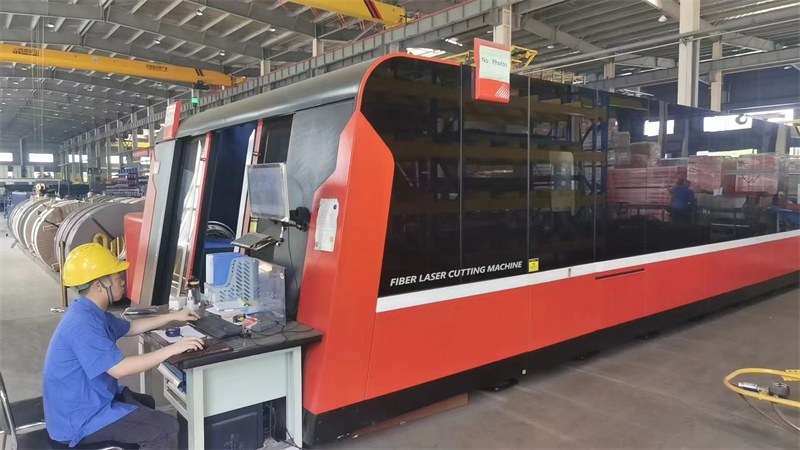
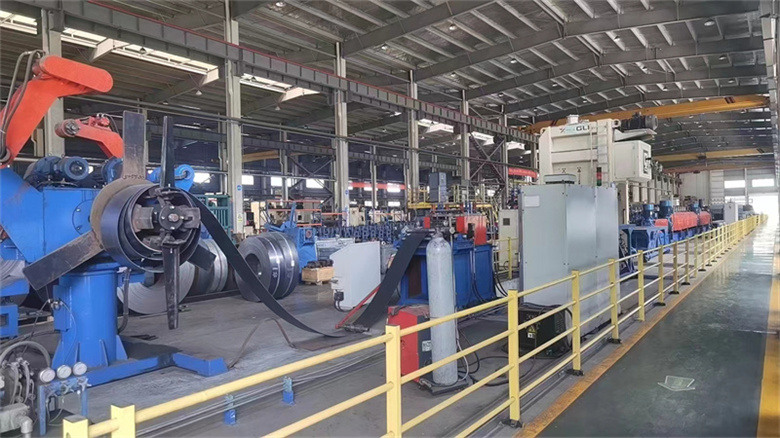
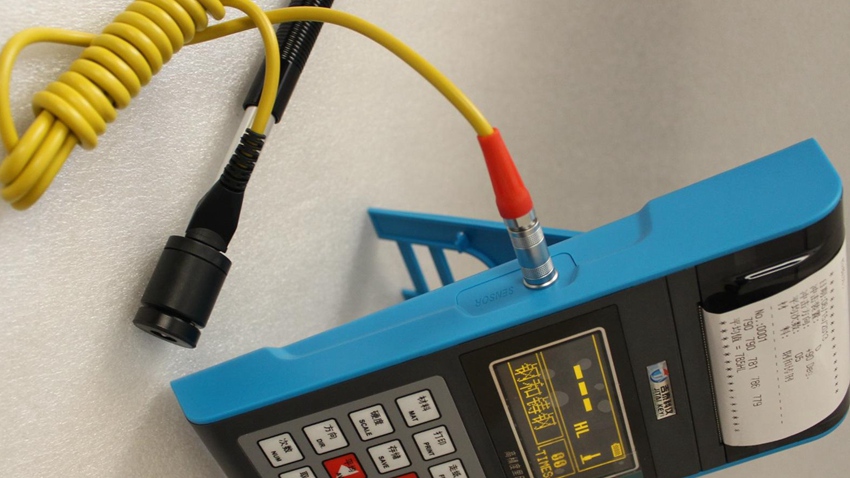
Before dispatch, sample elements from every production lot undergo static destruction and verification testing. These checks confirm that material behaviors match the parameters defined during structural FEA simulations.
Industrial storage demands vary significantly by sector. A standard racking setup rarely suits specialized industrial operations. Below are the macro-solutions we custom-design for global logistics sectors:
Designed for heavy, irregular shapes like engines and body panels. Utilizing custom stackable containers, cantilever systems, and heavy-duty selective configurations, this solution allows direct crane access and high SKU selectivity.
Engineered to maximize thermal volume efficiency. Drive-in systems, double-deep selective configurations, and semi-automated mobile racking help reduce cooling losses while maintaining stable structural performance down to -30°C.
Combining multi-level mezzanine structures with light-duty shelving levels. Integrates conveyor corridors, vertical lifts, and gravity flow channels to support manual pickers and sorting mechanisms.
In regions prone to earthquakes or extreme temperatures, structural engineering calculations must be adjusted. Ebil customizes baseplate thicknesses, column sections, and bracing patterns. This ensures compliance with structural safety standards, including the European Standard EN 15512 and the American RMI specifications.
The industrial warehousing sector is transitioning from static storage frames to dynamic, automated, and software-connected environments. This shift is driven by rising labor costs, land limitations, and the demand for faster inventory throughput:
Modern systems incorporate automated stacker cranes and self-supporting clad structures, allowing warehouses to reach vertical heights of 30 meters or more. This maximizes storage density while reducing the overall physical footprint.
Semi-automated radio shuttles and automated 4-way systems move pallets through storage lanes via remote commands. This setup optimizes deep-lane storage density while minimizing forklift entry and potential structure impact.
The layout of racking bays is adapted to support laser-guided and vision-guided AGVs. This integration ensures clean pathways, reliable floor loading, and high physical tolerance levels.
Our powder coatings are formulated without TGIC, which reduces environmental footprint. They provide reliable resistance against scratch wear, chemical contact, and humidity.
Ebil acts as a complete solution partner for global procurement leads. We support project development from the initial structural concept through to shipping, assembly, and commissioning:
We collect structural coordinates, concrete load capacities, forklift models, and pallet profile details.
Engineers run stress-deformation simulations to determine column cross-sections and thickness metrics.
Components are fabricated using automated roll-forming, robotic welding, and powder coating lines.
Shipments are packed in protective bundles, and we supply detailed assembly drawings and optional engineering support.
 Ebil Metal