Custom OEM Automated Inventory Factories & Exporter

Pioneering Next-Generation AS/RS, Smart Shuttle Warehousing, and High-Precision Industrial Racking Solutions for Global Logistics Optimization

Guangdong Ebil Metal Products Co., Ltd.

A global leader in smart warehouse engineering, heavy-duty logistics infrastructure, and hardware-software integration.

26,800m² Production Facility
12+ Yrs Industry Experience
8+ Yrs Global Exporting
$18M+ Annual Export Revenue
48+ R&D Engineers
56+ QC Inspectors

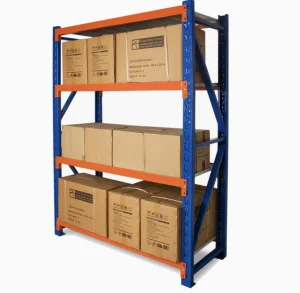
Guangdong Ebil Metal Products Co., Ltd. is a professional manufacturer specializing in industrial storage systems and warehouse racking solutions. We design, manufacture, and supply high-quality shelving and storage equipment for warehouses, distribution centers, factories, retail stores, logistics companies, and commercial facilities worldwide.

Established in 2017, Ebil has grown into a modern manufacturing enterprise with a 26,800 m² production facility equipped with advanced automatic roll forming lines, robotic welding systems, CNC processing equipment, and powder coating production lines. Our experienced engineering and production teams enable us to deliver reliable, durable, and cost-effective storage solutions that meet international quality standards.

With over 12 years of industry experience and 8 years of export experience, Ebil has successfully served customers in more than 60 countries across North America, Europe, Southeast Asia, the Middle East, and Oceania. Our annual export revenue exceeds US$18 million, supported by long-term cooperation with more than 980 supply chain partners.

Custom OEM Automated Inventory: Structural Integrity & System Integration

Modern warehouse logistics have shifted from simple static shelving to highly dynamic, space-optimized, and software-integrated ecosystems. As global supply chains face volatile demands and rising real estate costs, the implementation of customized OEM/ODM automated inventory hardware is no longer a luxury—it is a baseline for survival. To achieve maximum throughput, warehouses must integrate high-precision racking structures with smart mechanical components and intelligent software control systems.

"Maximizing warehouse efficiency requires a harmonious convergence between structural load capabilities and real-time kinetic automation. Guangdong Ebil Metal Products designs structural systems engineered to support continuous high-acceleration operations under strict international compliance models."

Global Corporate Procurement & Strategic Needs

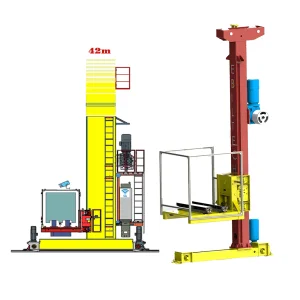
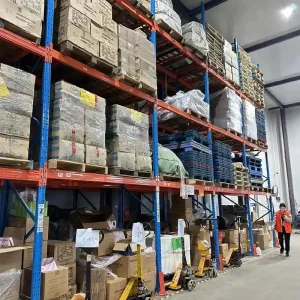
Global procurers, from enterprise 3PL logistics corporations to massive automotive manufacturers, demand customized OEM warehousing structures that fit unique spatial configurations and mechanical parameters. When designing a high-capacity warehouse, off-the-shelf racking fails to leverage spatial geometry. Enterprises require highly optimized vertical layouts (high-bay warehouses) that interface seamlessly with Automated Storage and Retrieval Systems (AS/RS), stacker cranes, and automated guided vehicles (AGVs).

Optimized Cube Utilization: Maximizing vertical storage height up to 40 meters, reducing horizontal footprint and municipal property costs.
Tolerances for Dynamic Kinetic Loads: Heavy-duty dynamic storage systems like radio shuttle racking and stacker cranes subject racking columns to continuous cyclic stresses. Custom engineering guarantees deflection values remain well within safety margins.
Turnkey Manufacturing (Hardware & Software): A successful facility requires structural cold-formed steel and WCS/WES/WMS integration software to synchronize warehouse operations.

China Factory 4.0: Supply Chain Resilience, Quality Assurance & R&D Excellence

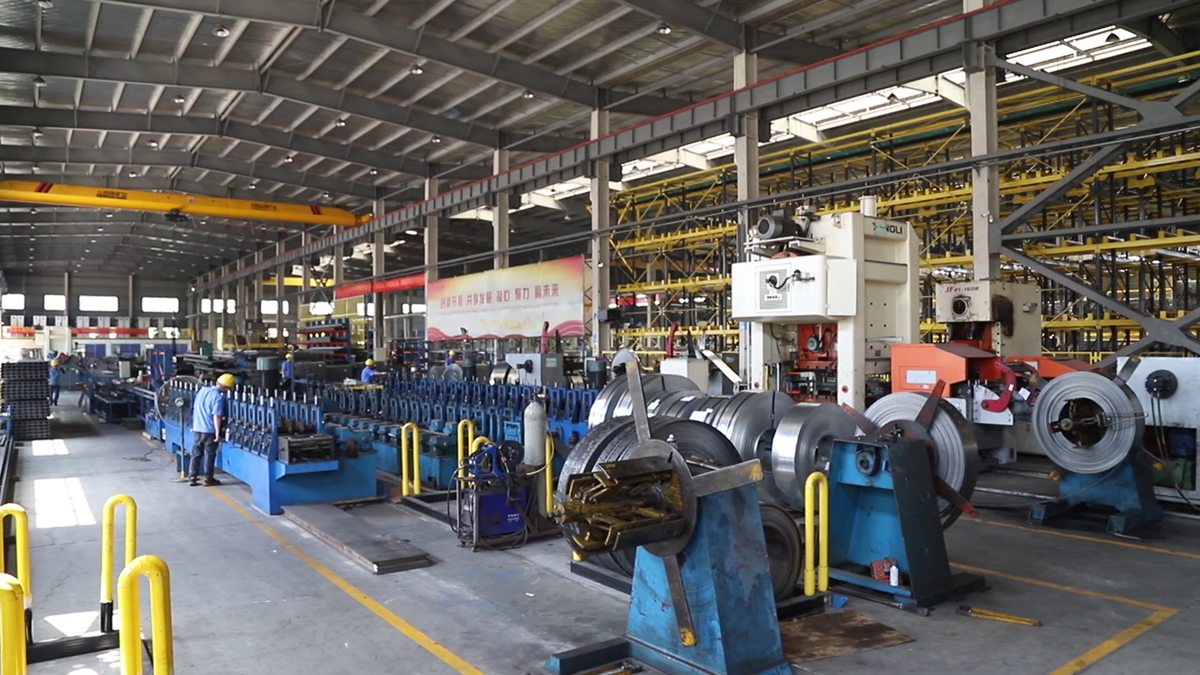
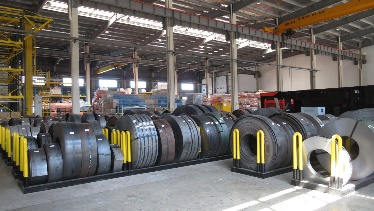
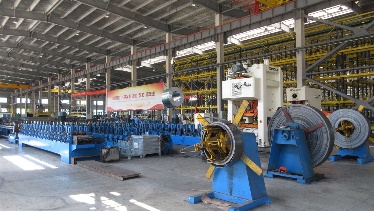
The reliability of an automated warehouse system is determined on the manufacturing floor. Guangdong Ebil ensures structural durability through an advanced digital factory utilizing robotic precision, automated roll forming lines, and a robust Quality Control framework. Our production processes are meticulously divided into specific phases, utilizing state-of-the-art tooling to convert high-tensile structural steel into international-grade racking systems.
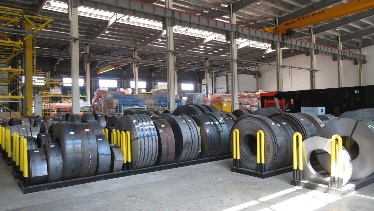
Raw Materials
Raw Materials Selection
Cold Roll Forming Processing
Surface Treatment Processing
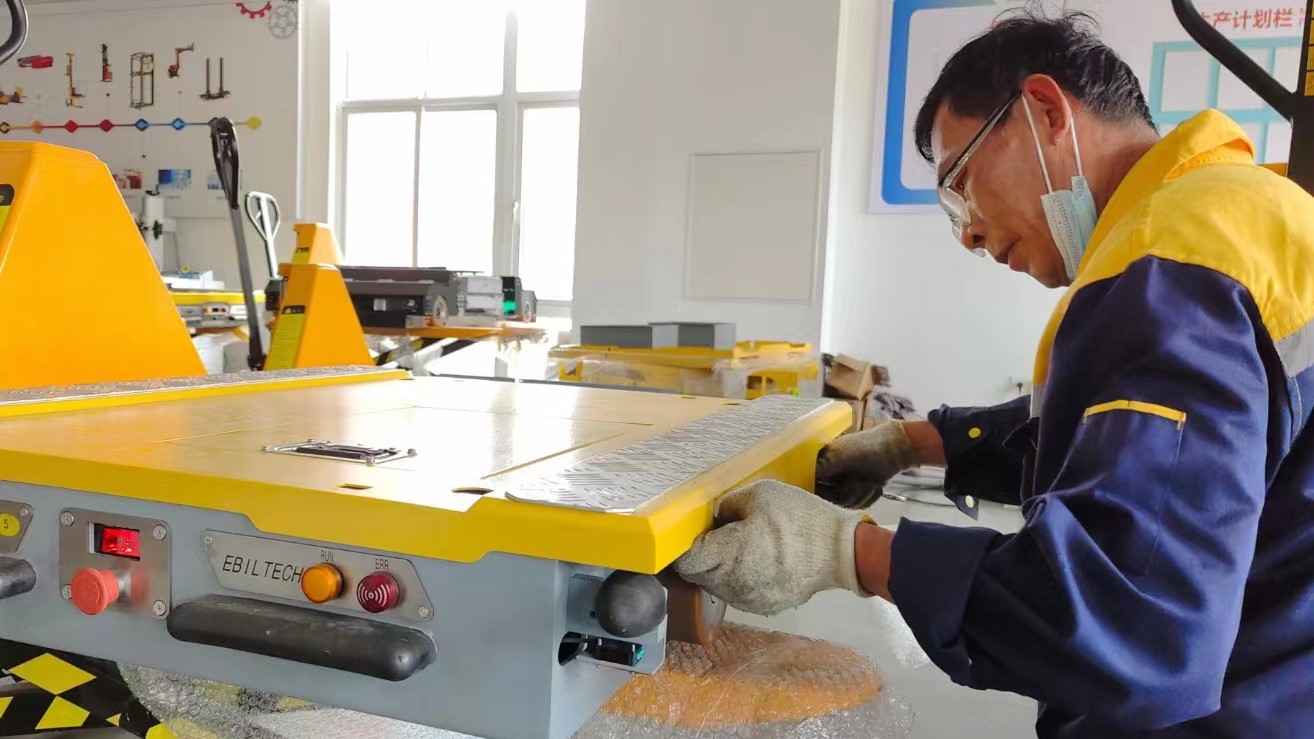
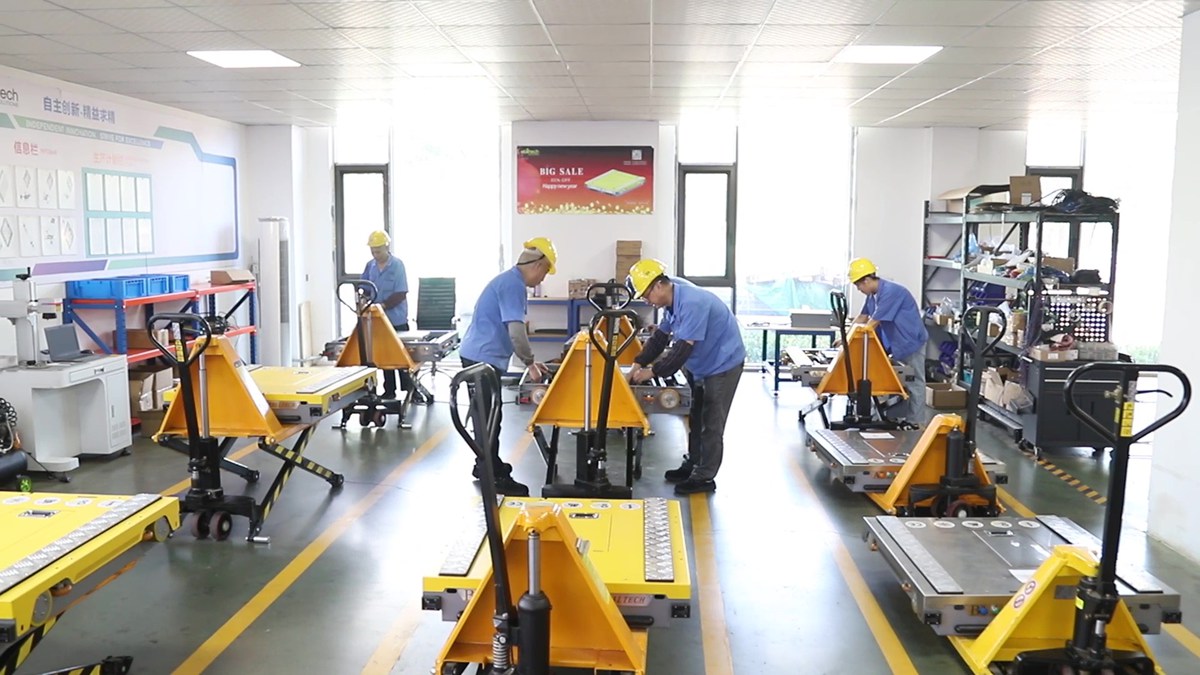
For Automatic Equipment -- Assembly
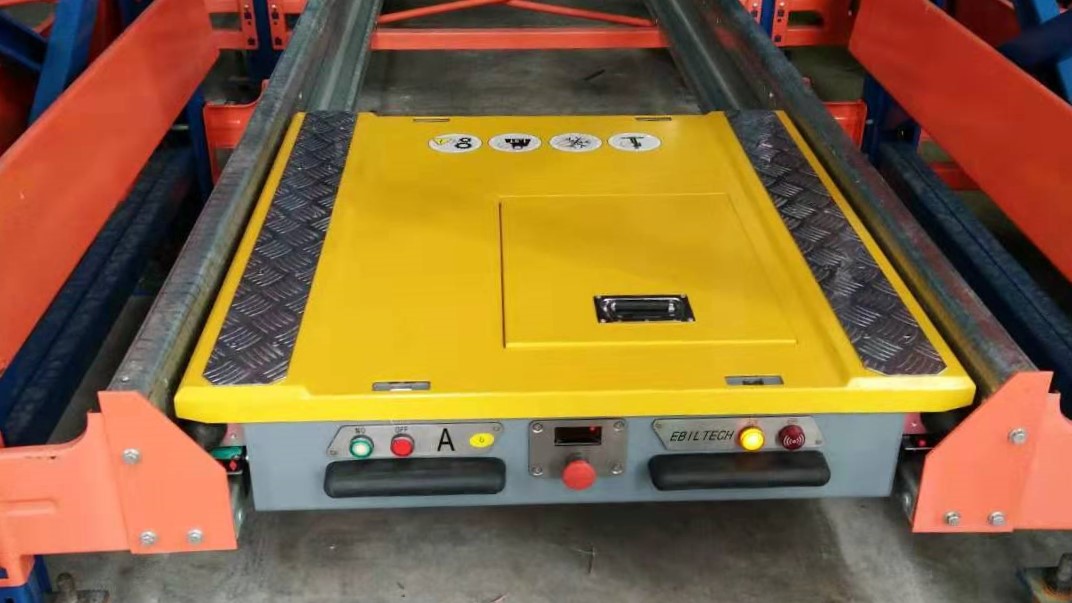
Automatic Equipment Assembly
Raw Materials
Raw Materials Quality Check
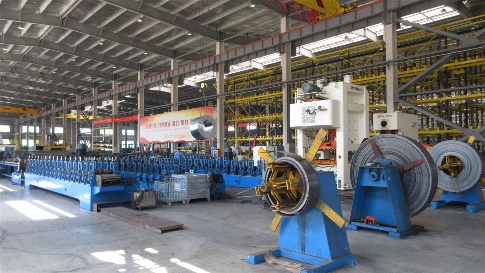
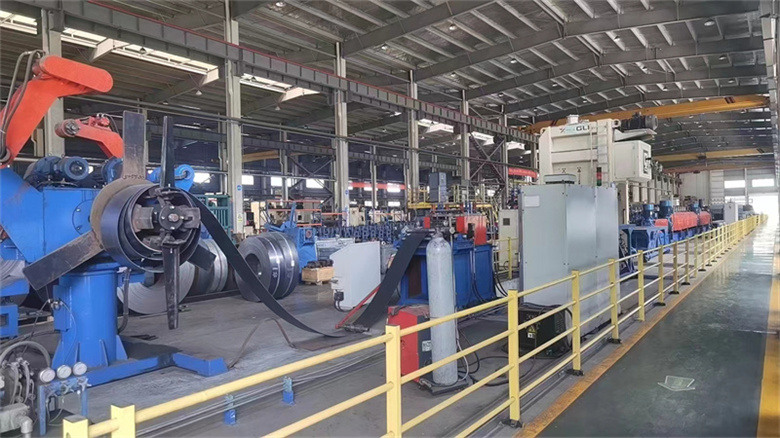
Cold Roll Forming Processing
Cold Roll Forming Lines
Surface Treatment Processing
Advanced Surface Finish
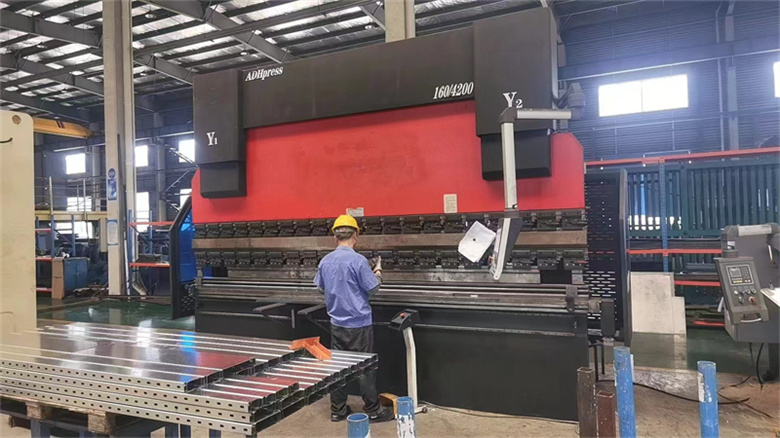
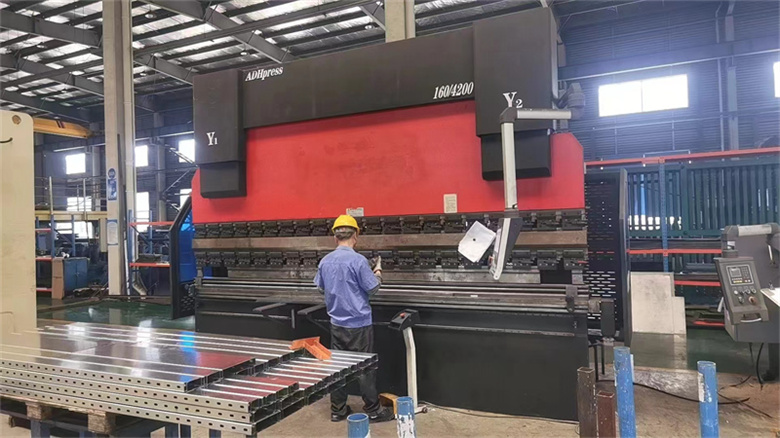
Bending
Precision Bending
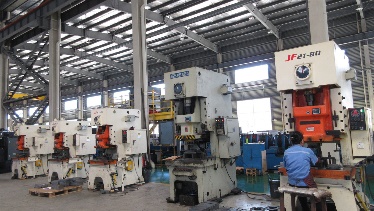
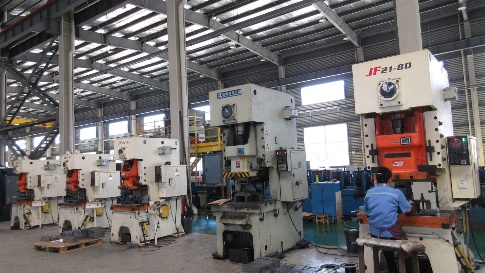
Punching
High Speed Punching
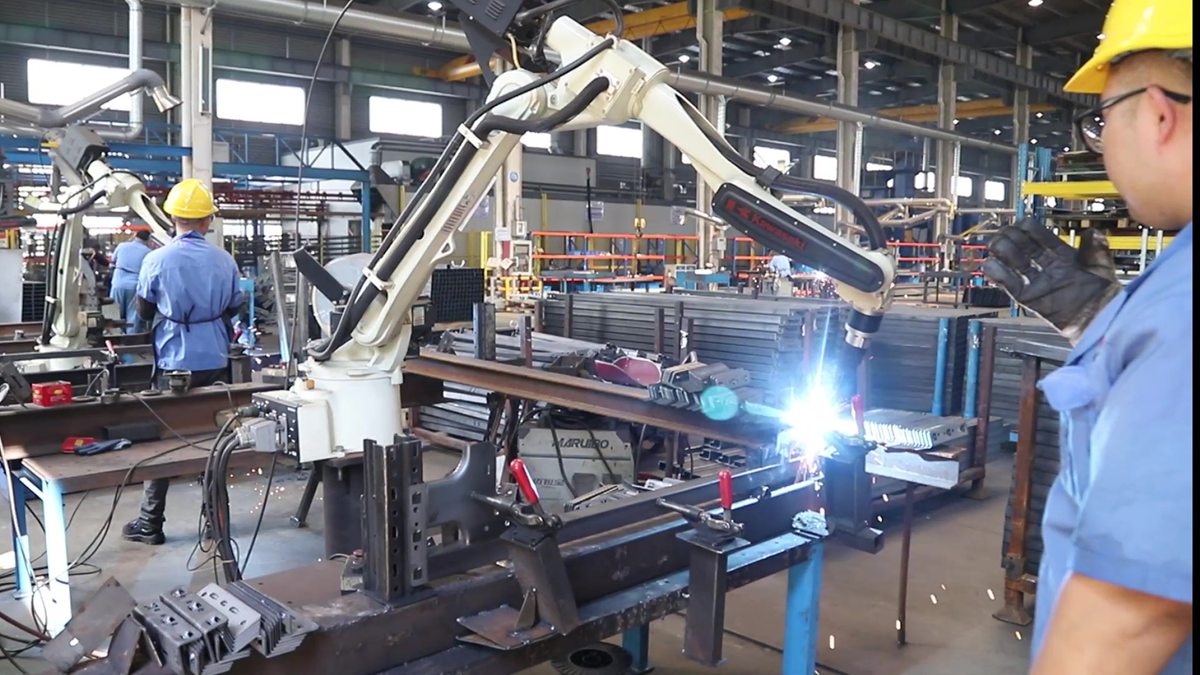
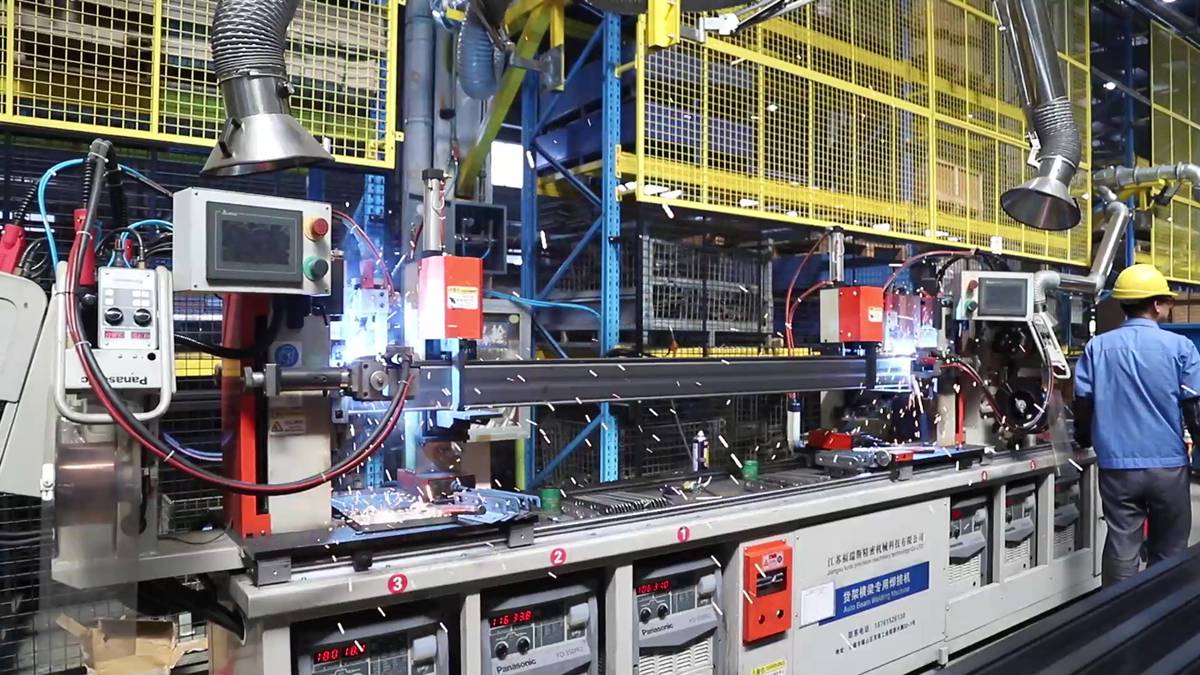
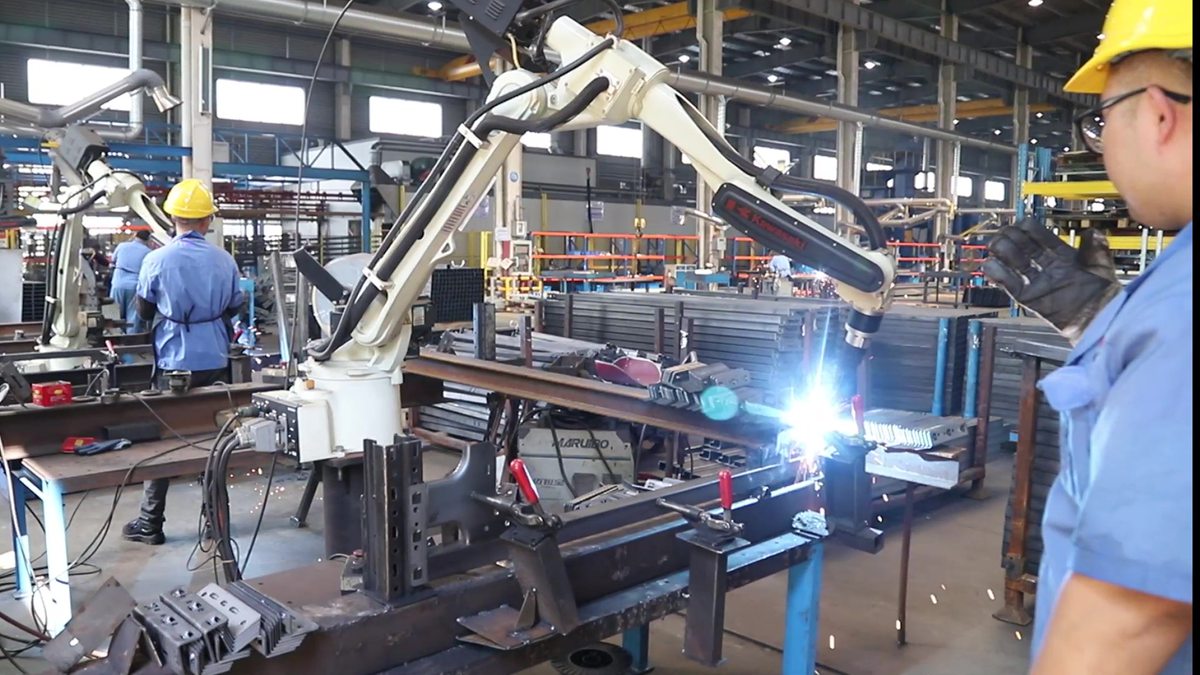
Robot Welding
Automatic Robot Welding
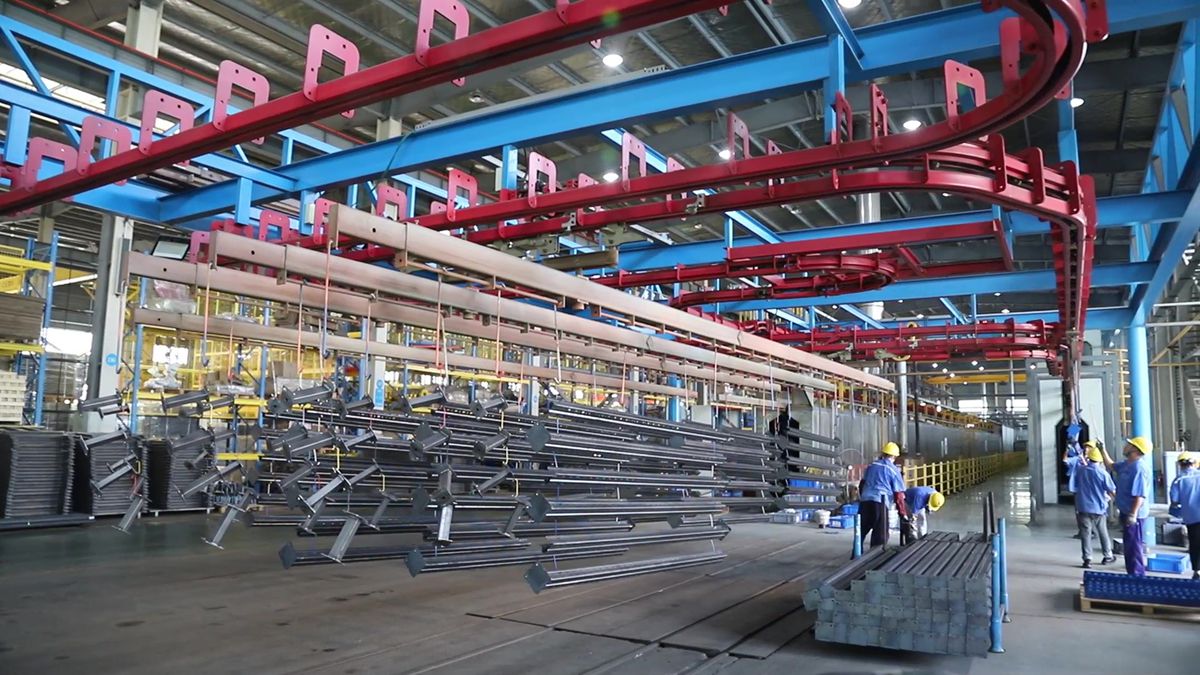
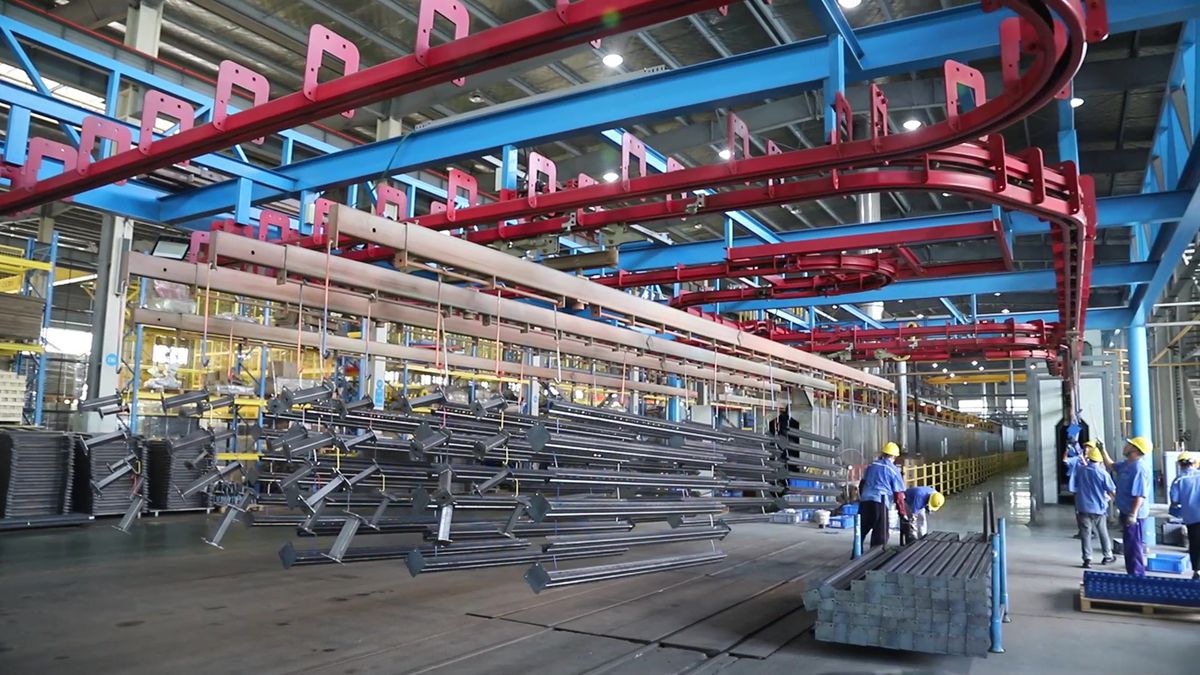
Painting
Powder Coating & Painting
Finished Products
Finished Racking Members
For Automatic Equipment -- Assembly
Shuttle Integration Assembly
Finished Products
Automated System Modules
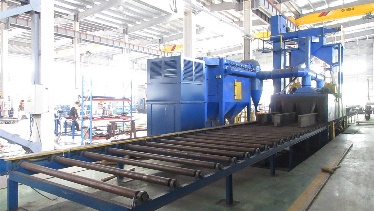
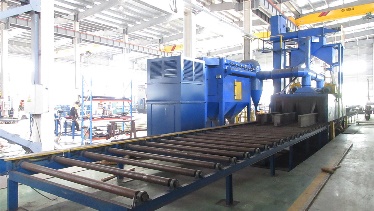
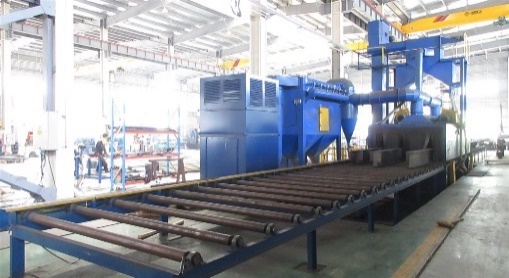
Sand-blasting Machine
Surface Sand-Blasting
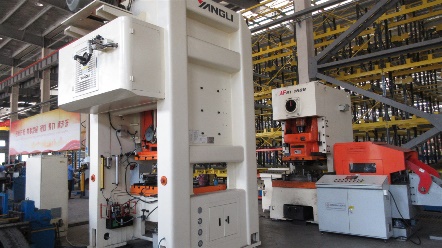
Stamping Machine
Metal Stamping Station
Rolling Mill
Heavy Duty Rolling Mill
Painting Line
Continuous Electrostatic Painting
Bending Machine
Precision CNC Bending
Automatic Welder
Automatic Longitudinal Welder
Punching Machine
Automatic Feeder Punching
Welding Robot
Intelligent Robot Welding
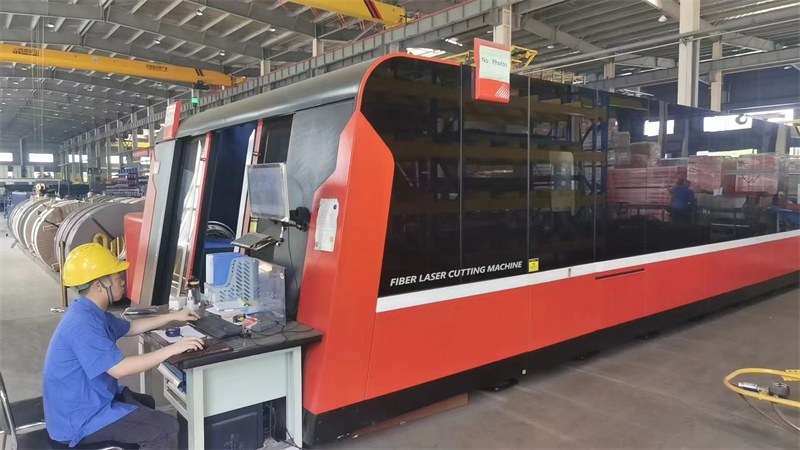
Plasma Cutting Machine
CNC Plasma Cutting
Column Production Line
Structural Column Production
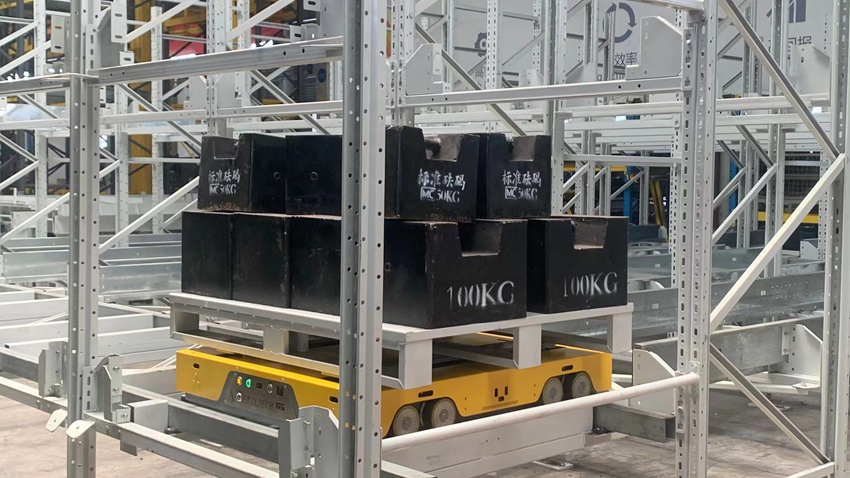
Load Bearing Test
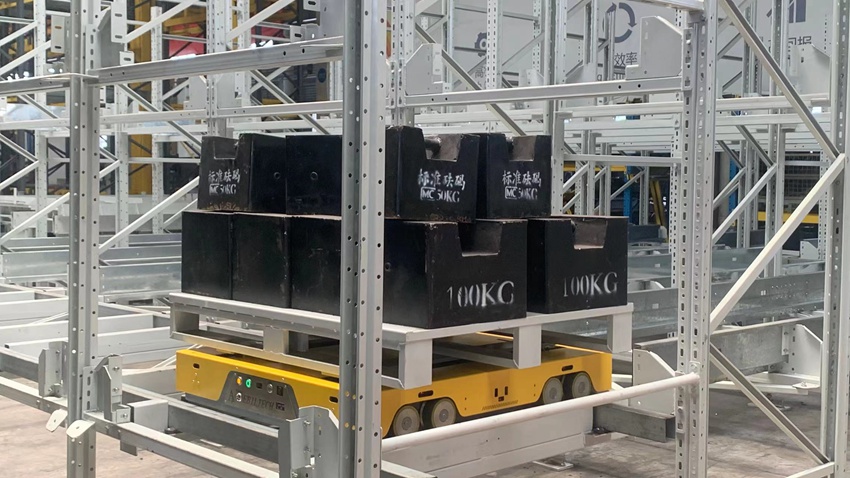
Racking Load Bearing Test
Load Bearing Tester
Load Bearing Test Station
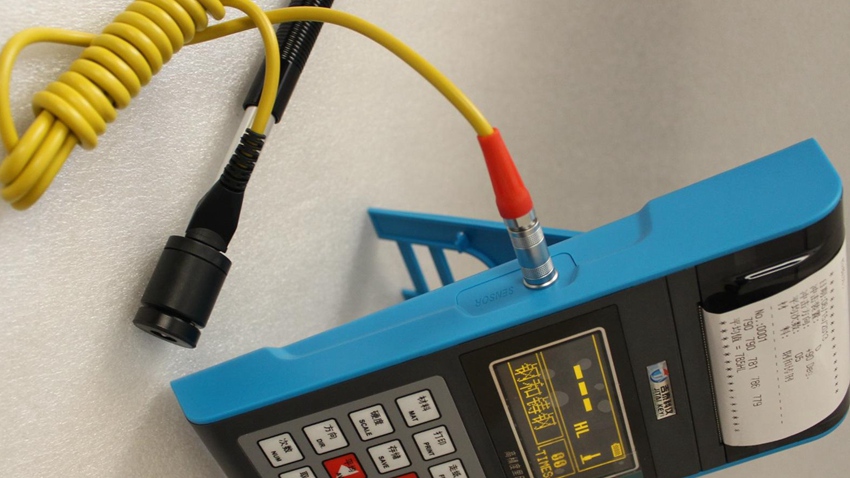
Hardness Tester
Hardness & Material Test

Quality control is the core pillar of our business. Every structural element and automated component undergoes comprehensive inspections prior to packaging. This checklist ensures absolute performance integrity:

Load Capacity Testing: Verified using structural test rigs to guarantee zero permanent deformation under 150% rated load capacity.
Dimensional Inspection: Executed using digital micrometers and laser measuring jigs to achieve precision tolerances down to ±0.1mm.
Coating Adhesion Testing: Prevents paint peeling under constant mechanical impact of warehouse vehicles.
Salt Spray Corrosion Testing: Certifying resistance over 500 hours, critical for cold storage, chemical, or coastal installations.
Inspector Staffing: Our dedicated quality control department consists of 56 professional inspectors, ensuring strict compliance with ISO9001 and CE norms.

Advanced Technology Roadmap & Future Outlook

The automated warehousing industry is moving towards complete cyber-physical synchronization. Simple static structures are converting to dynamic elements within an integrated IT framework. As an industry-leading OEM exporter, Ebil develops solutions aligned with these future trends:

Phase 1

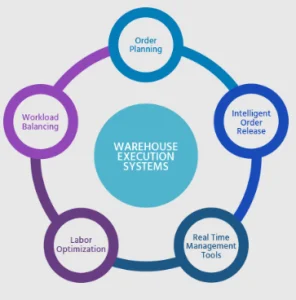
Intelligent WCS & WES Synergy

Integrating Warehouse Control Systems (WCS) with Warehouse Execution Systems (WES) to dynamically reroute RGV shuttles. This reduces system cycle bottlenecks and increases throughput by up to 35% compared to static control configurations.

Phase 2

Dynamic AMRs and RGV Hybrids

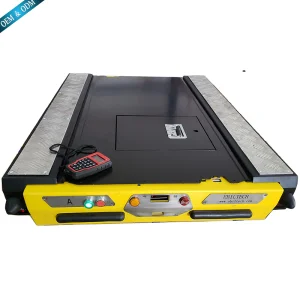
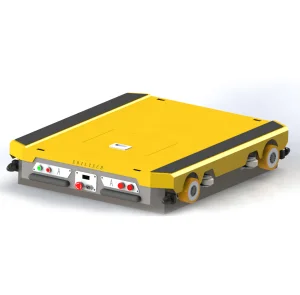
Replacing traditional guided cranes with 4-way multi-shuttles and Autonomous Mobile Robots (AMRs) that travel along the storage matrix. This allows warehouses to adjust system density on the fly without structural reconfiguration.

Phase 3

AI-Powered Predictive Maintenance

Embedding vibration sensors and optical encoders within automated shuttle tracks to record mechanical wear. AI models analyze this data to predict rail damage or guide alignment before mechanical failure occurs.

Macro Industry Solutions: Diverse Sector Adaptability

No two warehouse operations are identical. Our engineering team custom-tailors layouts to solve specific sector bottlenecks:

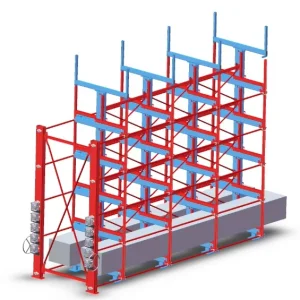
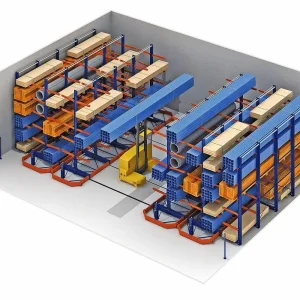
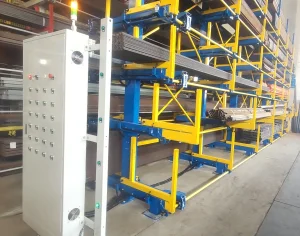
Automotive & Steel Tube Manufacturing: Using heavy duty electric expandable cantilever racking with telescoping cantilever beams. These structures eliminate manual handling risks when retrieving long, unwieldy materials like steel pipes, rod stock, and machinery chassis.
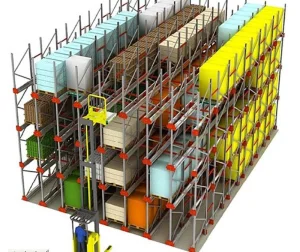
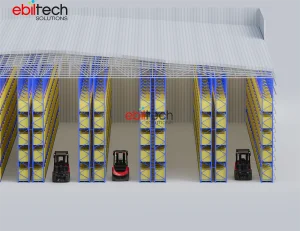
Cold Chain & Food Storage: Minimizing energy footprint is essential in temperature-controlled spaces. Our dynamic radio shuttle racking maximizes pallet packing density, reducing cubic space requirements and cooling costs by up to 40%.
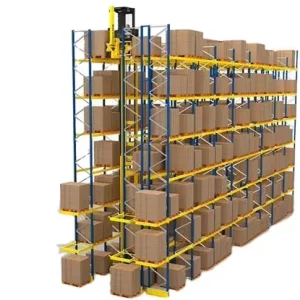
E-Commerce Fulfillment Centers: High SKU variety requires rapid access. Ebil's Narrow Aisle (VNA) and High-Bay Pallet Racking systems combined with custom warehouse software enable quick sorting cycles and zero-error order picking.

Localization Support & Regulatory Compliance

Deploying major automated warehouse racking internationally requires compliance with local structural standards. Ebil ensures all structural elements are designed, verified, and stamped according to regional requirements:

  • European Market: Strict adherence to FEM 10.2.02 and EN 15512 specifications, ensuring compliance for EU imports.
  • North American Market: Racking systems designed in compliance with RMI (Rack Manufacturers Institute) standards and AISC steel specification guidelines.
  • Seismic Calculations: Our engineering team conducts finite element analysis (FEA) to adjust structural upright profiles and baseplates for installation in highly active seismic zones.

We provide localized engineering support through our global network of supply chain partners. From layout configuration to final installation supervision, Ebil ensures a smooth process with local building authorities.

Expert Q&A: Automated Storage Engineering

1. What distinguishes OEM from ODM in automated inventory system design?
OEM (Original Equipment Manufacturing) involves fabricating structural steel and automation modules based on your exact engineering blueprints. ODM (Original Design Manufacturing) leverages Ebil's internal engineering team. We develop, design, calculate load structures, and program software based on your specific SKU characteristics, warehouse height constraints, and cycle throughput requirements.
2. How does the WES software coordinate with physical radio shuttle equipment?
Our Warehouse Execution Software (WES) serves as the bridge between the high-level ERP/WMS system and the physical equipment on the floor. It translates inventory retrieval commands into route commands for RGV shuttles and stacker cranes. This minimizes travel distance, manages shuttle battery charge cycles, and coordinates movements to prevent collisions.
3. What raw materials are used in Ebil racking to ensure load compliance?
We use high-grade structural steel sourced from leading domestic mills (e.g., Q235B and Q355B). These steel grades provide excellent yield strength and ductibility, which are essential for forming cold-rolled uprights that resist bending under heavy static and dynamic loads.
4. Can Ebil racks be modified to withstand sub-zero temperature environments?
Yes, our automated racking systems are commonly used in cold chain storage (-25°C to -40°C). We use special low-temperature formulations for powder coating, low-temp lubricant seals for shuttles, and specialized steel grades to prevent low-temperature embrittlement.
5. How does Ebil guarantee the stability of 40-meter clad-rack warehouse structures?
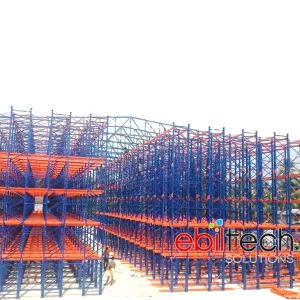
In clad-rack construction, the racking structure itself supports the building's outer walls and roof. We execute comprehensive wind-load, snow-load, and seismic shear calculation models using advanced FEA software to ensure the structure remains stable under extreme regional weather conditions.
6. What is the typical lead time for a custom-engineered automated racking project?
A standard automated project spans 8 to 12 weeks. This includes 2-3 weeks for technical design approval, 4-6 weeks for production (including roll forming, welding, and quality checks), and 2 weeks for packaging and shipping preparation.