Guangdong Ebil Metal Products Co., Ltd. stands at the forefront of the global industrial storage industry, delivering comprehensive, end-to-end racking and warehousing engineering solutions.
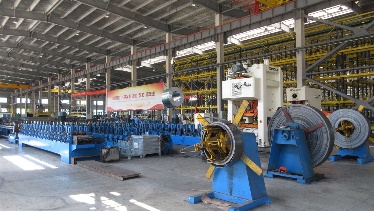
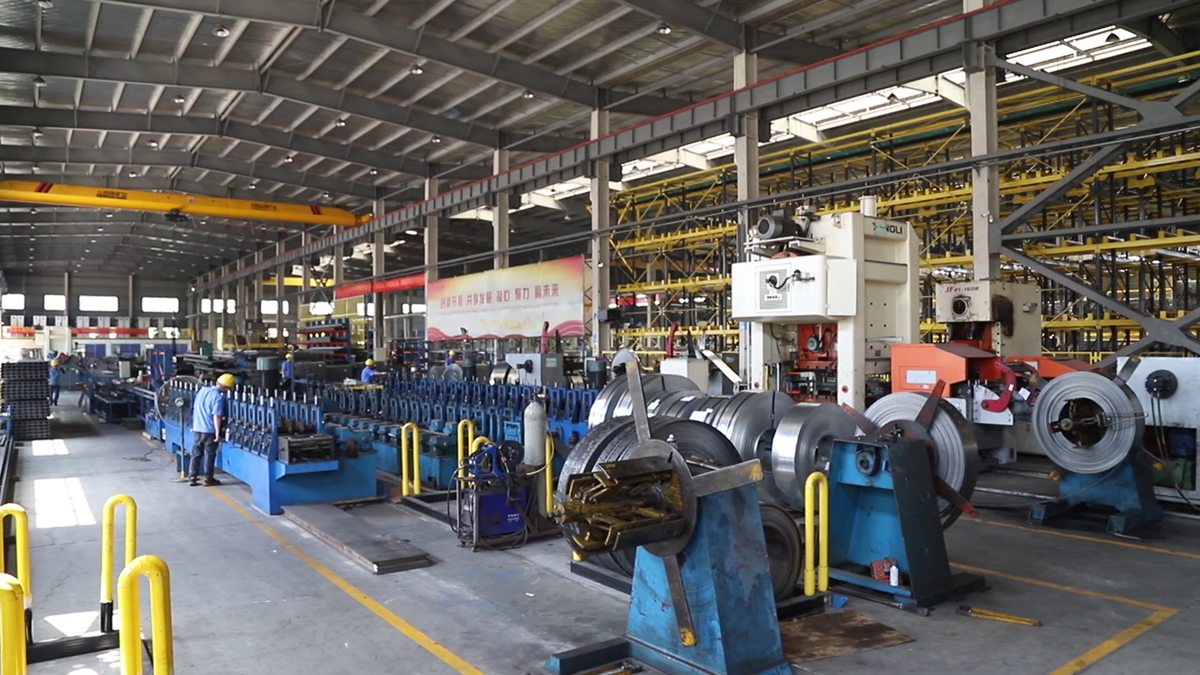
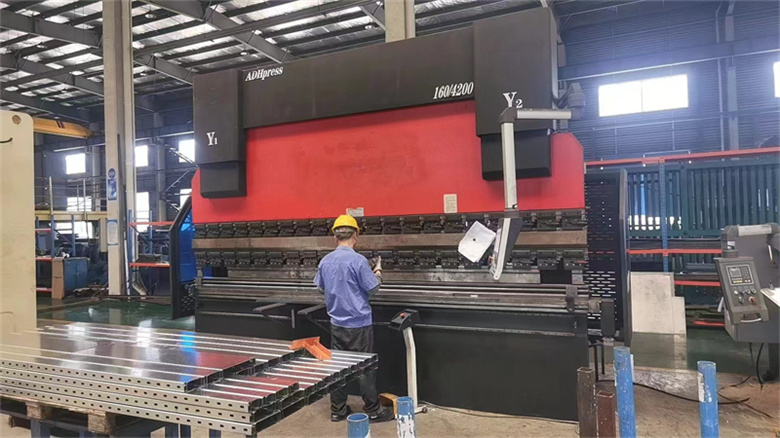
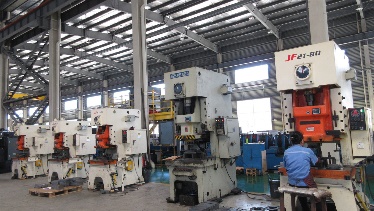
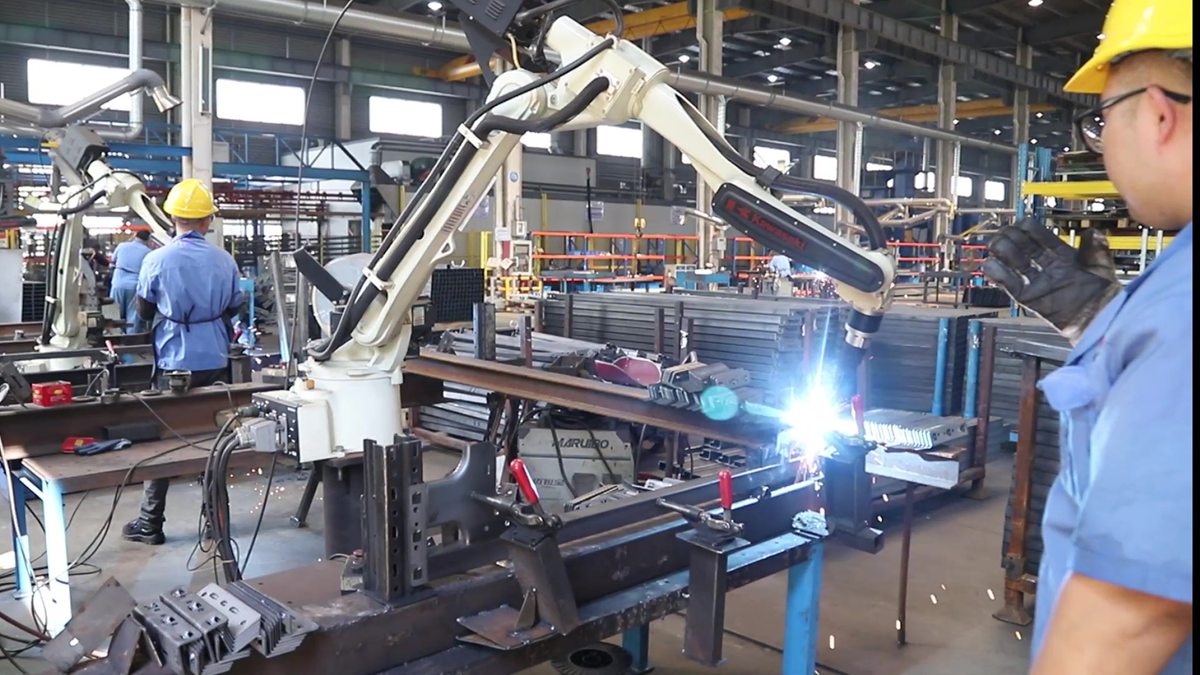
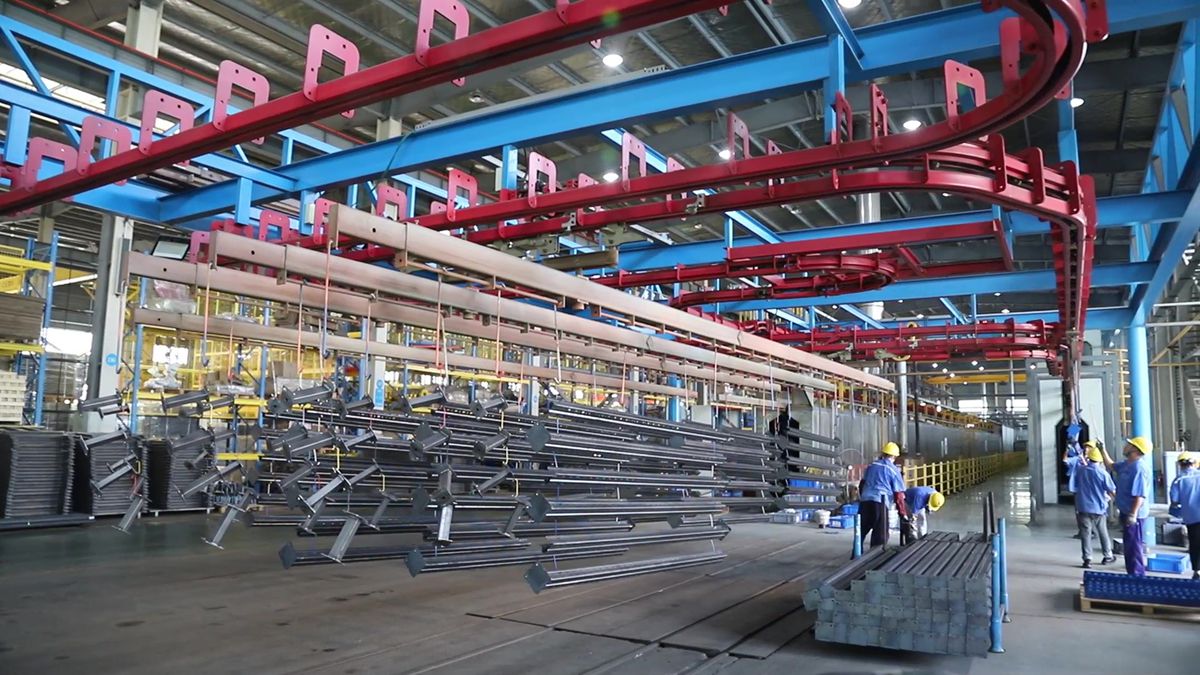
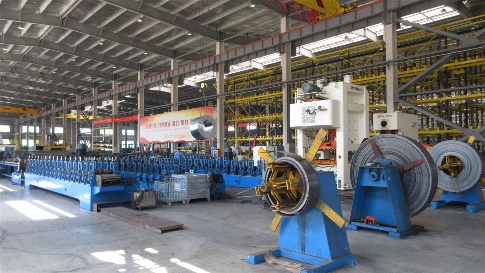
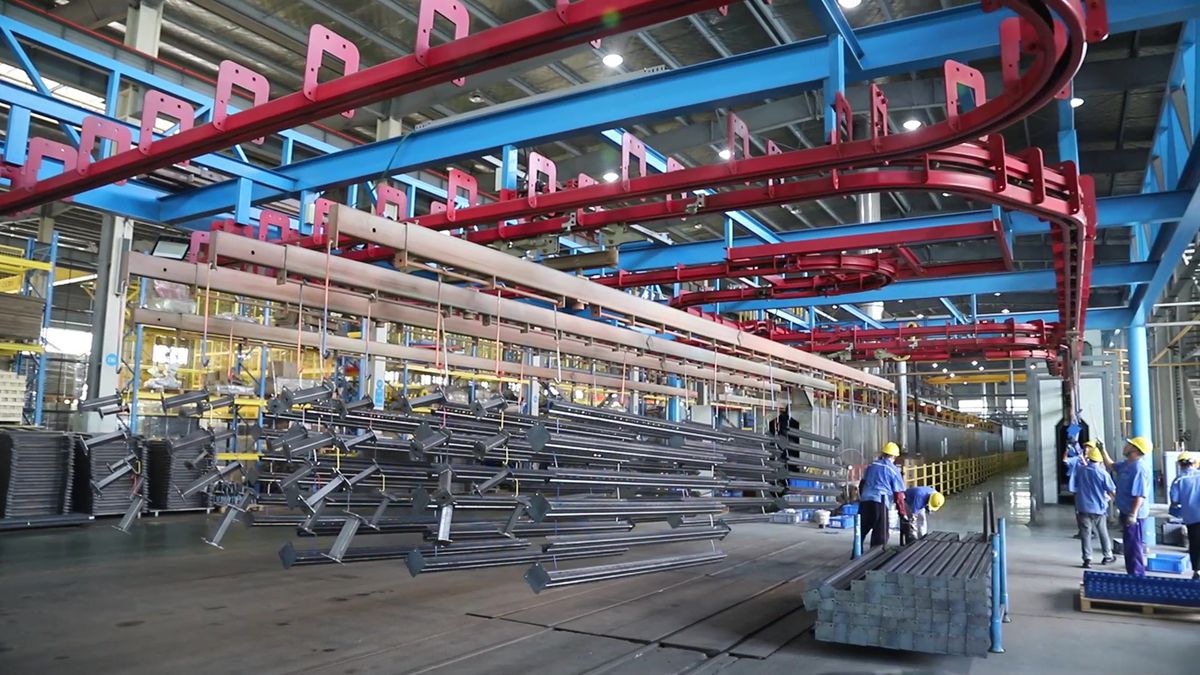
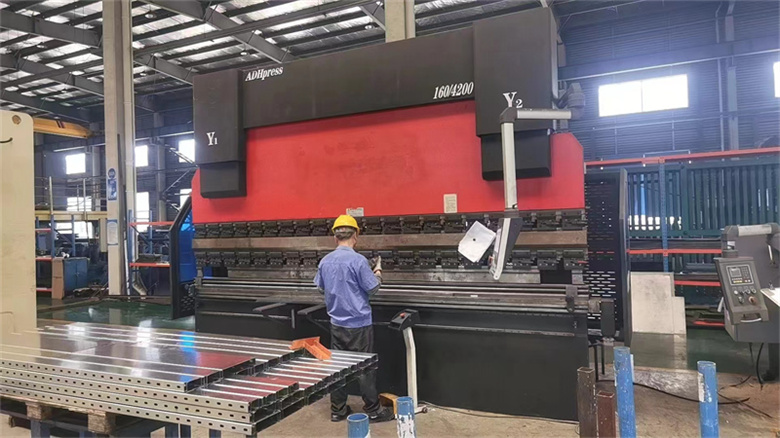
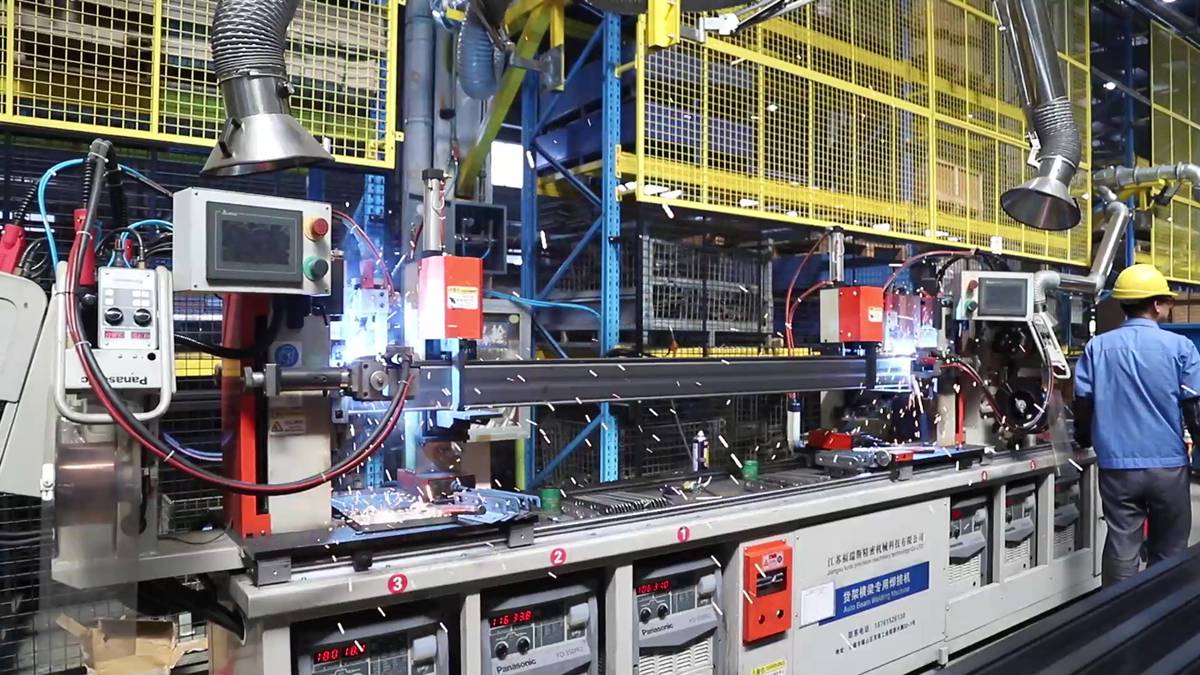
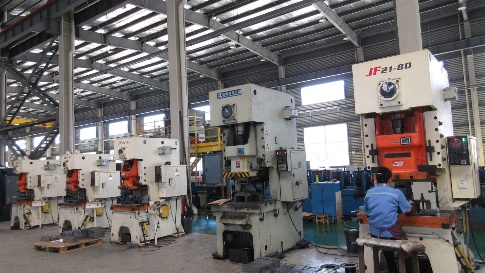
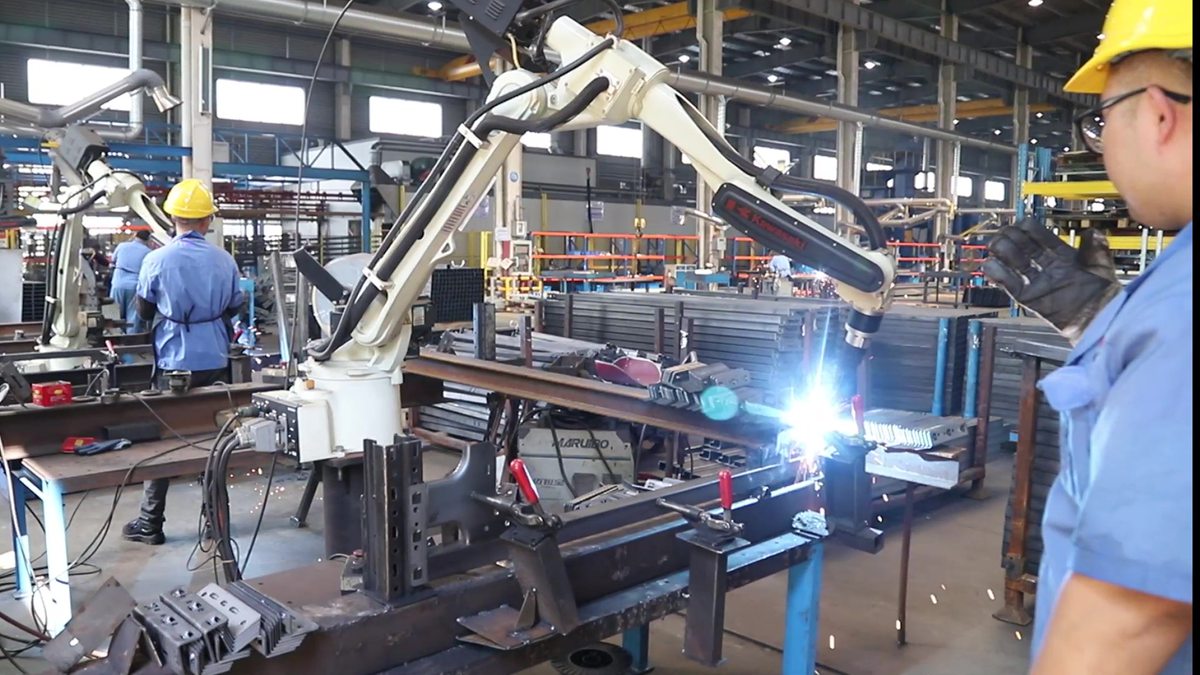
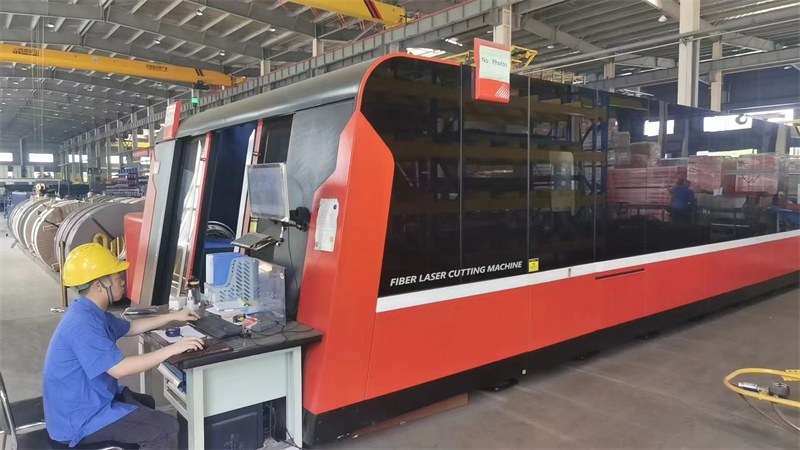
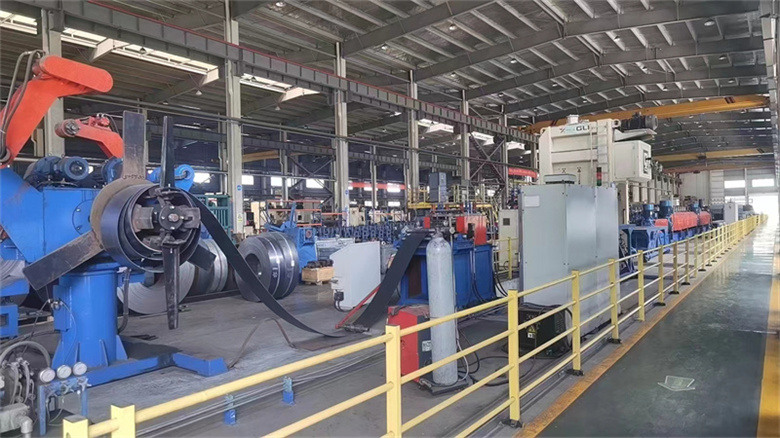
Established in 2017, Ebil has rapidly scaled its capabilities to operate a state-of-the-art 26,800 m² manufacturing facility. Our factory integrates advanced automated cold-roll forming lines, high-precision robotic welding nodes, automated CNC punching arrays, and electrostatic powder coating lines. Our engineering department is built upon a foundation of 12 years of core industry experience and 8 years of export intelligence, enabling us to service customers in over 60 countries across Europe, North America, Southeast Asia, the Middle East, and Oceania.
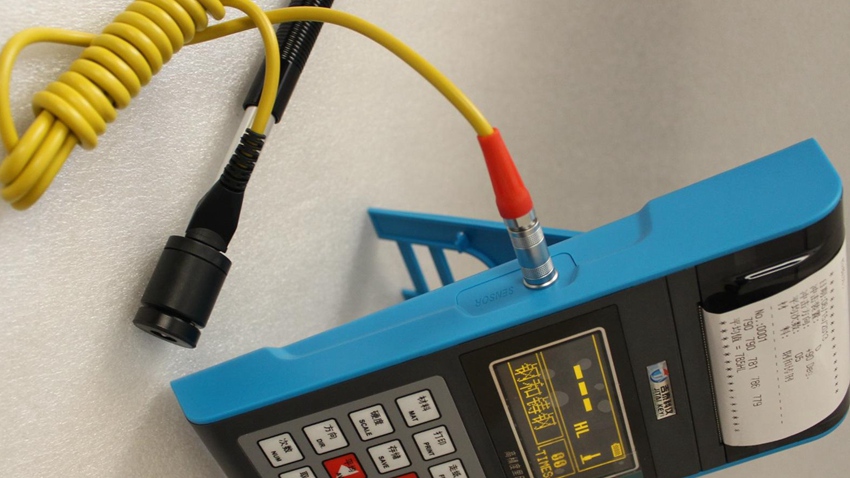
Through rigorous structural testing, including mechanical load-bearing evaluation, coating salt-spray resistance, and structural finite element analysis (FEA), Ebil structures guarantee stability under complex operational envelopes. Backed by 56 quality control inspectors and a design engineering department of 48 specialists, we maintain a product innovation velocity that introduces approximately 96 new product profiles annually, bridging the gap between standard racking and future-proof logistics ecosystems.
The global logistics infrastructure is undergoing a tectonic shift driven by land scarcity, labor cost inflation, and the rapid expansion of multi-channel distribution. Modern logistics hubs are transitioning from low-density manual storage systems to high-density, automated systems. This dynamic requires structural steel pallet racking to act as both a product container and a foundational load-bearing skeleton for building structural systems (rack-supported buildings).
Maximizing spatial density is the primary directive for modern distribution facilities. Structural solutions such as double-deep racking, VNA (Very Narrow Aisle) systems, and multi-tier mezzanines minimize non-productive aisle space while maximizing structural height, reducing the overall cost per square meter.
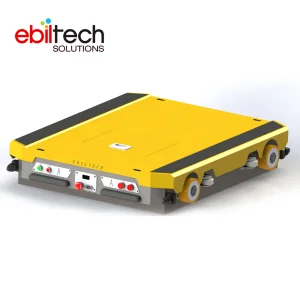
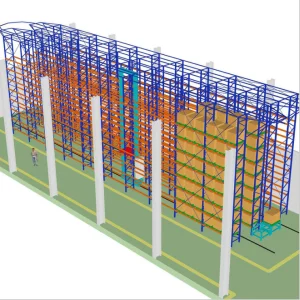
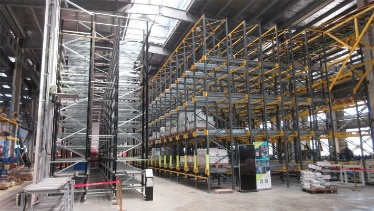
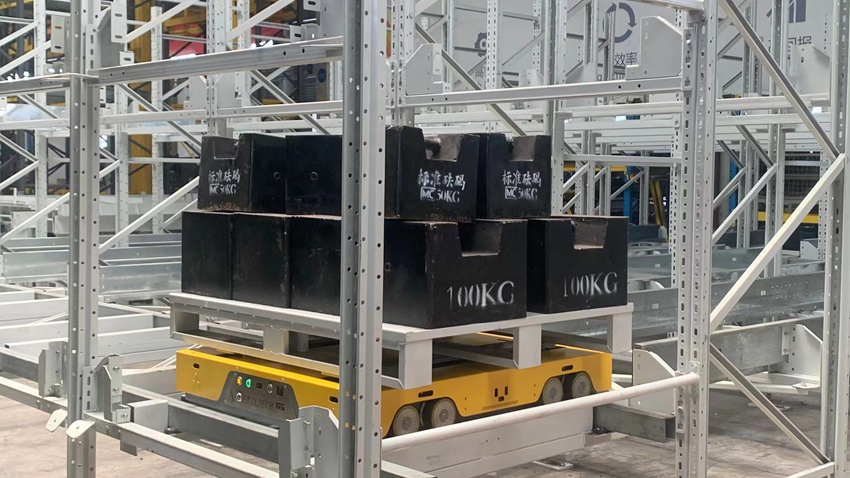
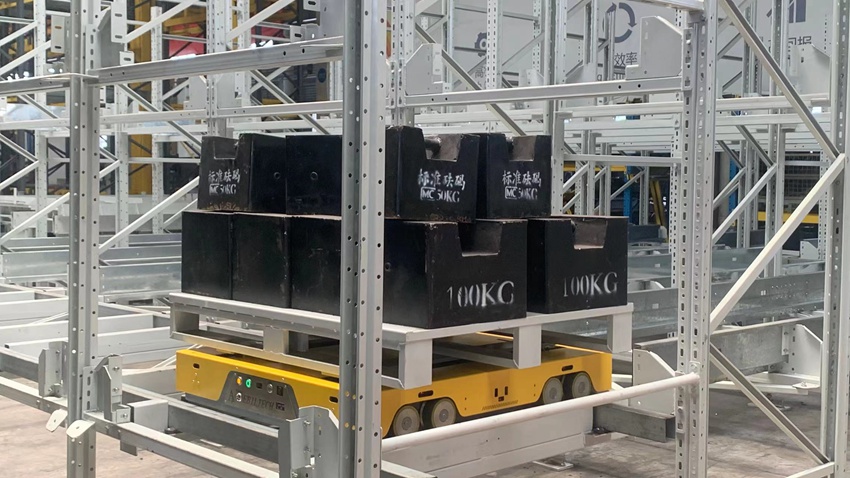
Modern pallet storage systems are designed to integrate with automated equipment. Racking must meet tight manufacturing tolerances to interface with robotic Pallet Shuttles, Automated Guided Vehicles (AGVs), and stacker cranes in Automated Storage and Retrieval Systems (AS/RS).
Due to complex seismic dynamics in the Americas, Europe, and Asia-Pacific, racking engineering must meet regional building codes (such as RMI in the US or AS4084 in Australia). This requires dynamic structural calculation and testing of column profiles and beam connectors.
We design and manufacture structural systems customized for various load capacities, rotational demands, and logistical flows.
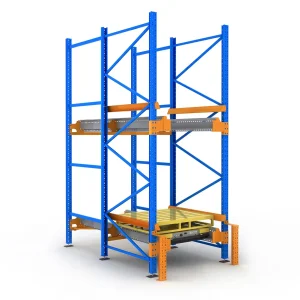
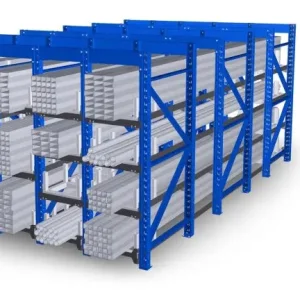
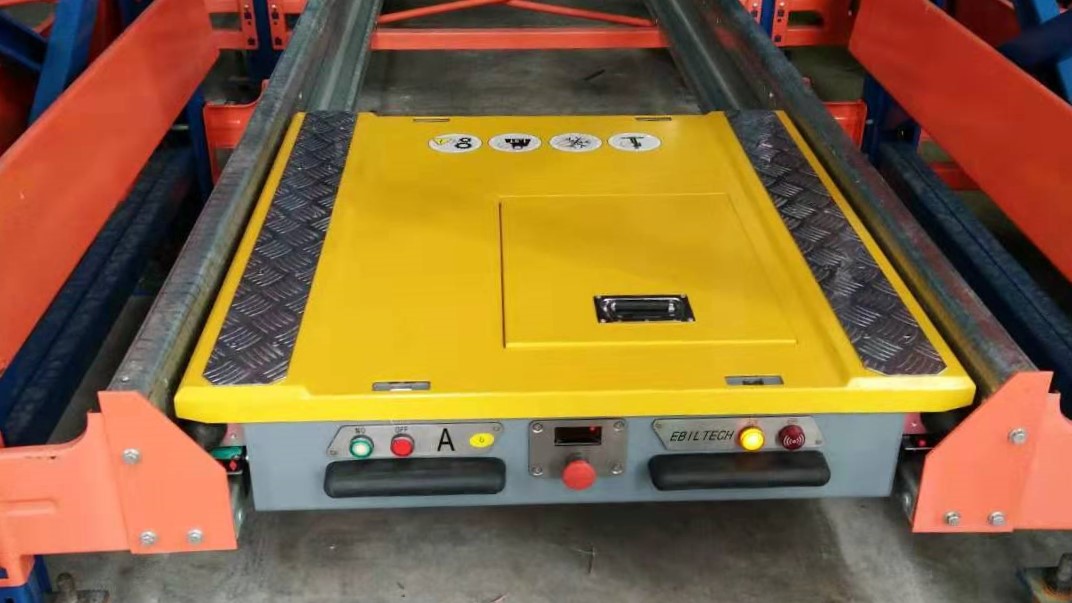
Radio Shuttle Racking Systems: Utilizing robotic carriers to transport pallets within deep lanes, this system minimizes forklift entry into racking aisles, optimizing safety and turnaround speed. Perfect for cold storage and volume distribution.
Drive-In & Push-Back Systems: Excellent solutions for FILO (First-In, Last-Out) and LIFO storage dynamics. Eliminates dedicated pedestrian/mechanical access corridors, allowing up to 75% higher storage density than standard selective systems.
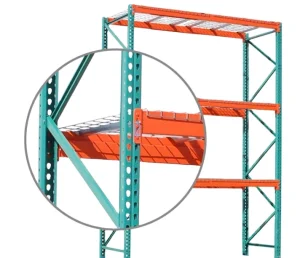
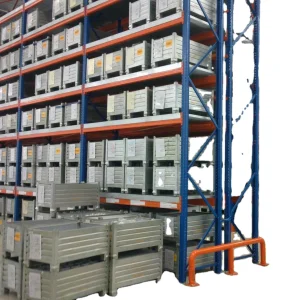
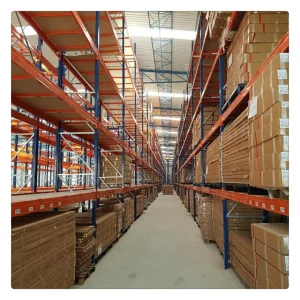
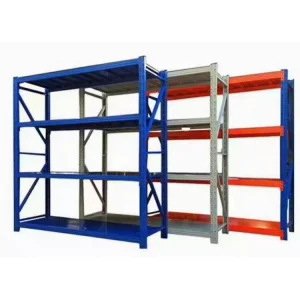
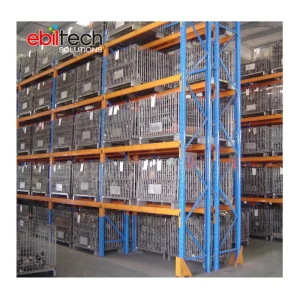
Selective Pallet Racking: The industry standard for individual access to every single pallet. Highly versatile, easily adjustable, and configurable with teardrop or box-profile columns.
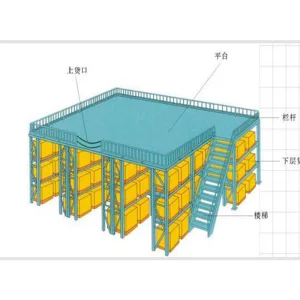
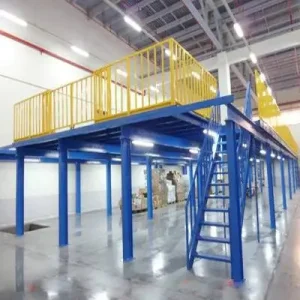
Multi-Tier Mezzanine Platforms: Transforming overhead vertical airspace into usable footprint. Ebil heavy-duty steel structures are designed with modular floor decking to support equipment, assembly nodes, or secondary shelving units.
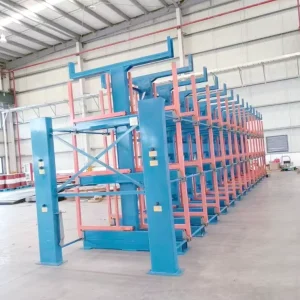
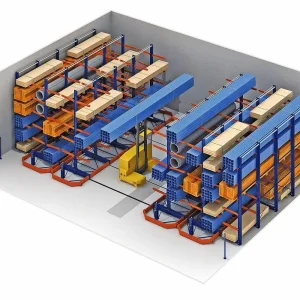
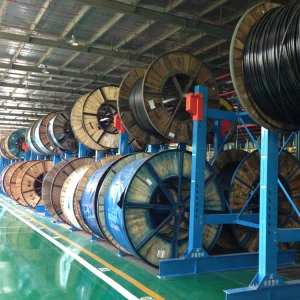
Cantilever Racking Systems: Configured with structural columns and adjustable arms, these systems are designed to store long, heavy, or non-standard profiles such as steel pipes, timber packs, sheet plates, and heavy machinery components.
Movable & Mobile Automated Racking: High-density motorized racking systems that open up aisles dynamically via digital signals, reducing footprint requirements by up to 50% while maintaining 100% selectivity.
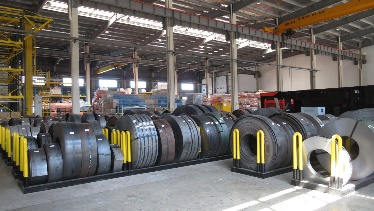
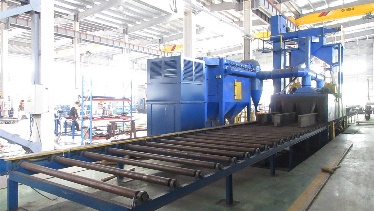
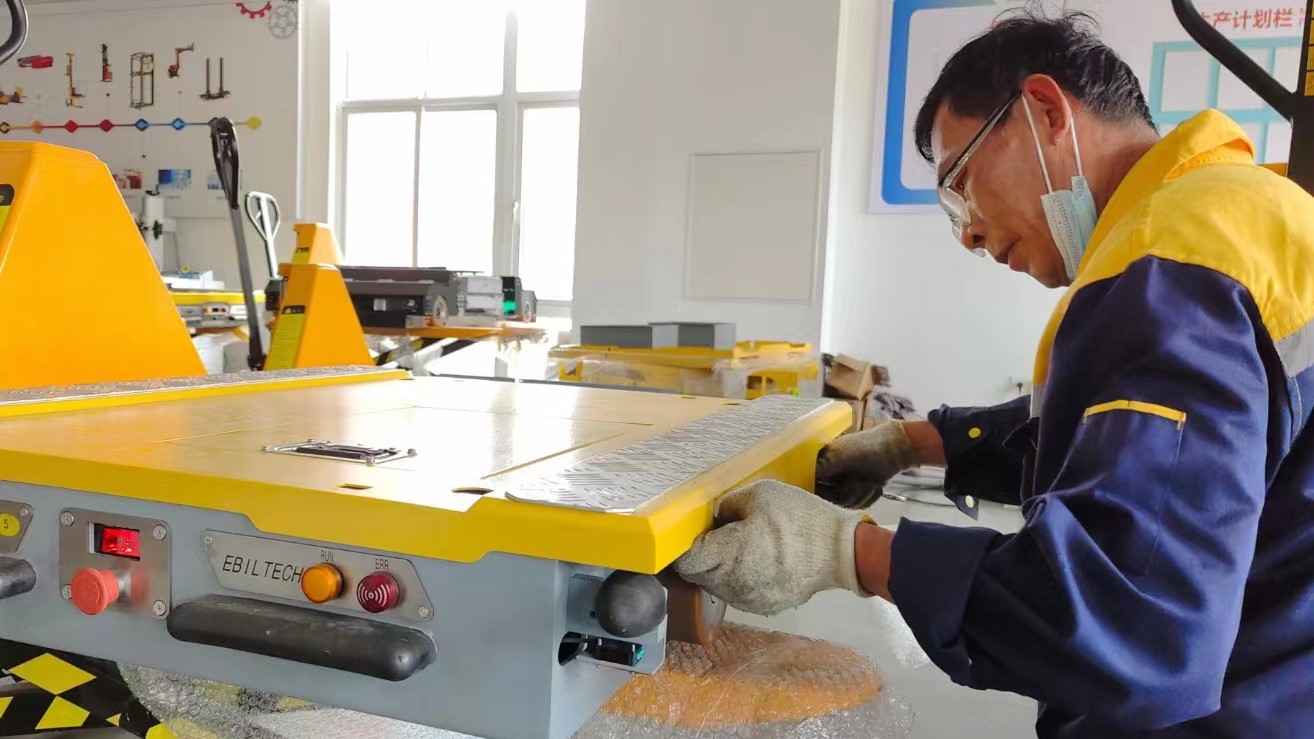
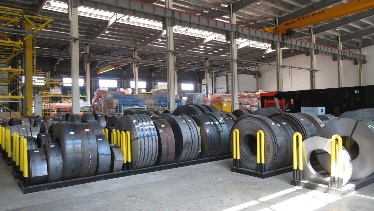
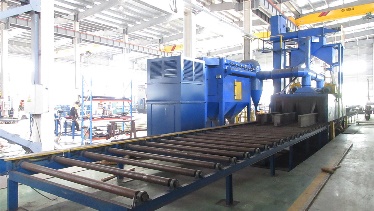
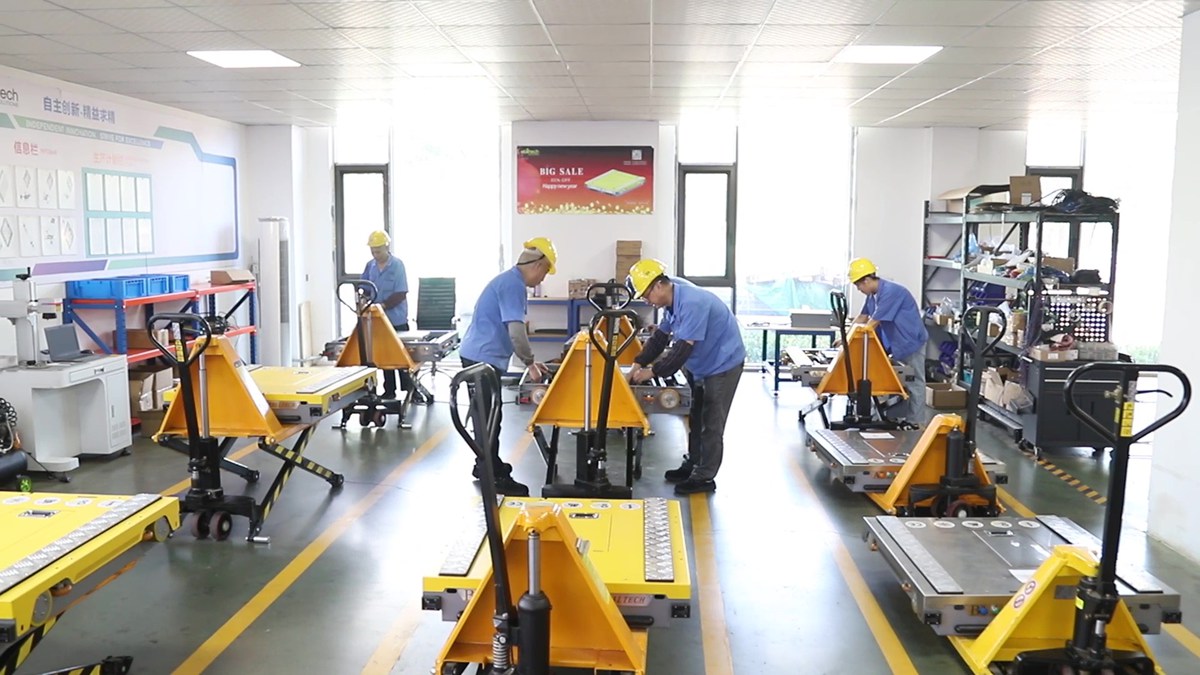
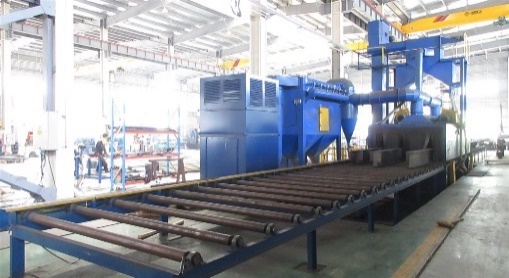
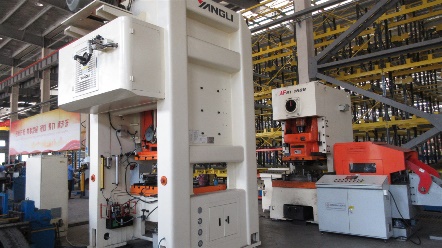
Each step of our manufacturing workflow at Ebil Metal is monitored to ensure high dimensional accuracy, uniform load distribution, and durable surface protection.
Procuring industrial storage infrastructure requires aligning steel quality, dimensional consistency, and load dynamics with local engineering requirements. Below are the key evaluation metrics Ebil integrates into every standard and custom export order:
Ebil sources premium certified high-tensile structural steel (primarily Q235B and Q355B). These grades are selected for high yield strength and elongation, ensuring resilience against structural deflection under heavy operational loads.
Our paint systems utilize thermosetting epoxy-polyester powder applied electrostatically and cured at high temperatures. The result is a scratch-resistant finish that passes 500+ hours of salt-spray testing, making it suitable for cold storage environments down to -30°C.
Using multi-claw beam connectors with mechanical safety locks, our interlocking systems are manufactured to +/-0.1mm tolerances. This precise connection helps prevent accidental beam dislodgement caused by forklift operations.
We design baseplate footprints and anchor patterns to distribute vertical and lateral loads. This dynamic engineering aligns with FEM 10.2.02, RMI, and AS4084 structural regulations for seismic safety.
As warehousing evolves from manual operation to fully automated systems, our technology roadmap focuses on structural adaptability and digital integration:
To support automated stacker cranes reaching heights above 24 meters, Ebil is refining manufacturing processes to achieve tight tolerances in column verticality. This precision prevents structural oscillation during crane movements.
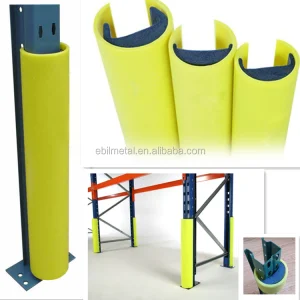
We are engineering smart structural nodes equipped with embedded load cells and displacement sensors. This IoT system provides real-time alerts if a pallet exceeds safety limits or if a column sustains damage.
Ebil is committed to green manufacturing. By sourcing recycled structural steel and switching to low-emission, solvent-free coating methods, we help reduce the carbon footprint of global logistics projects.
A high-quality racking design requires professional installation to perform as intended. Ebil provides detailed 3D assembly guides, mechanical drawings, and engineering calculations for every shipment. For large-scale integration projects, our team offers on-site engineering supervision and load calibration services.
We also support customers through regulatory approvals, providing certified documentation for building permits and workplace safety audits.
 Ebil Metal