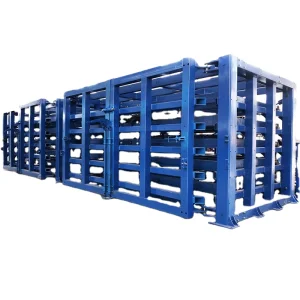
Automated Storage for Sheet Metal
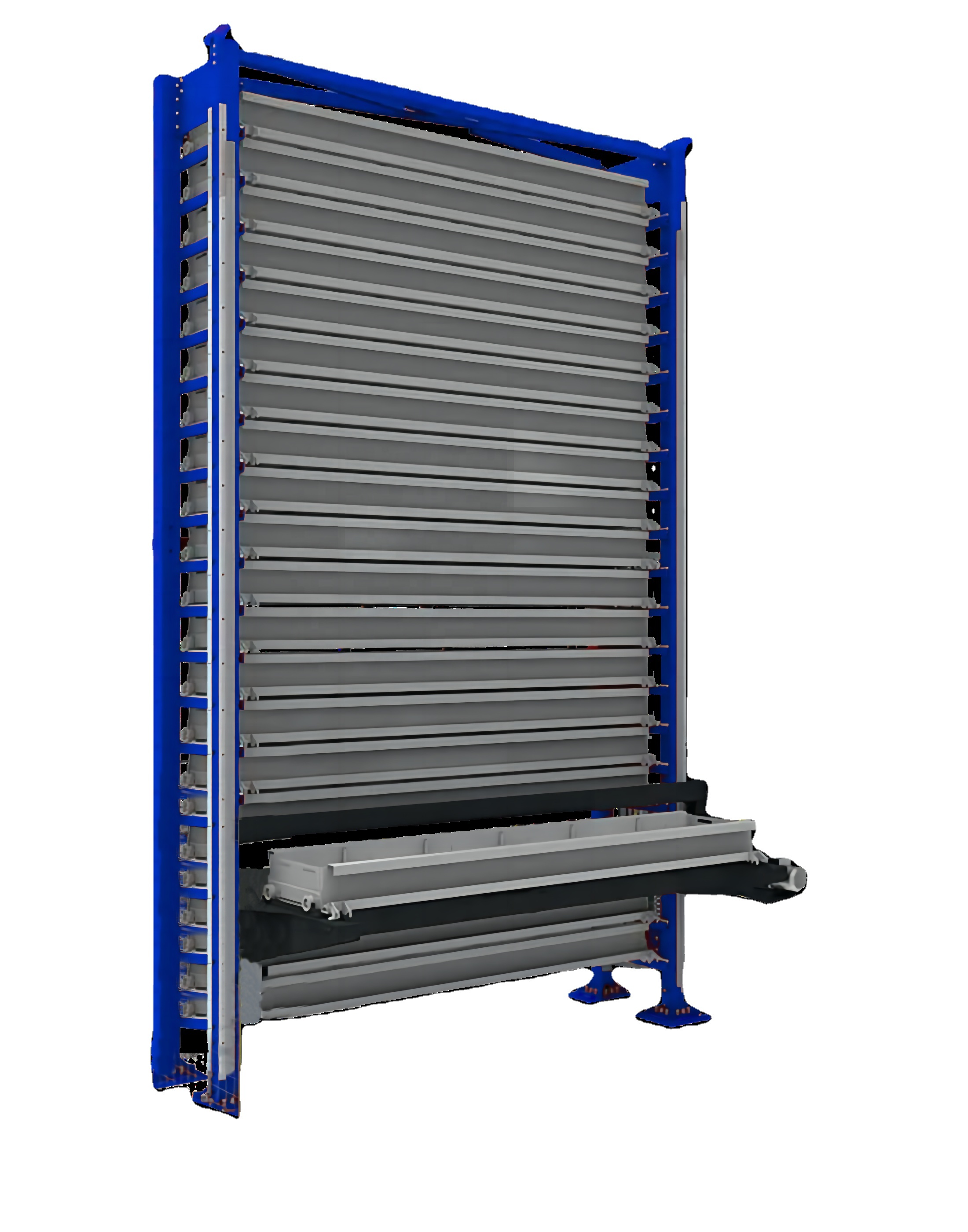
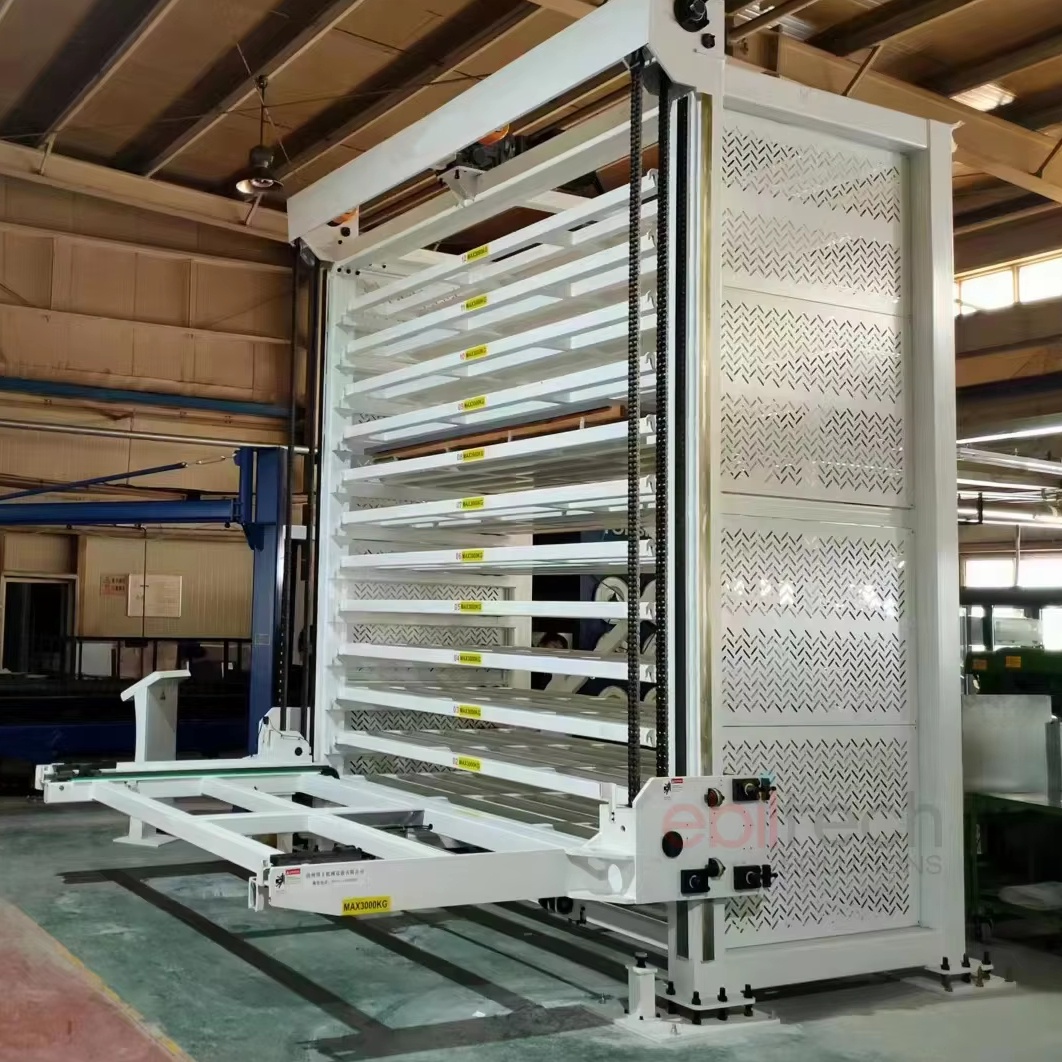
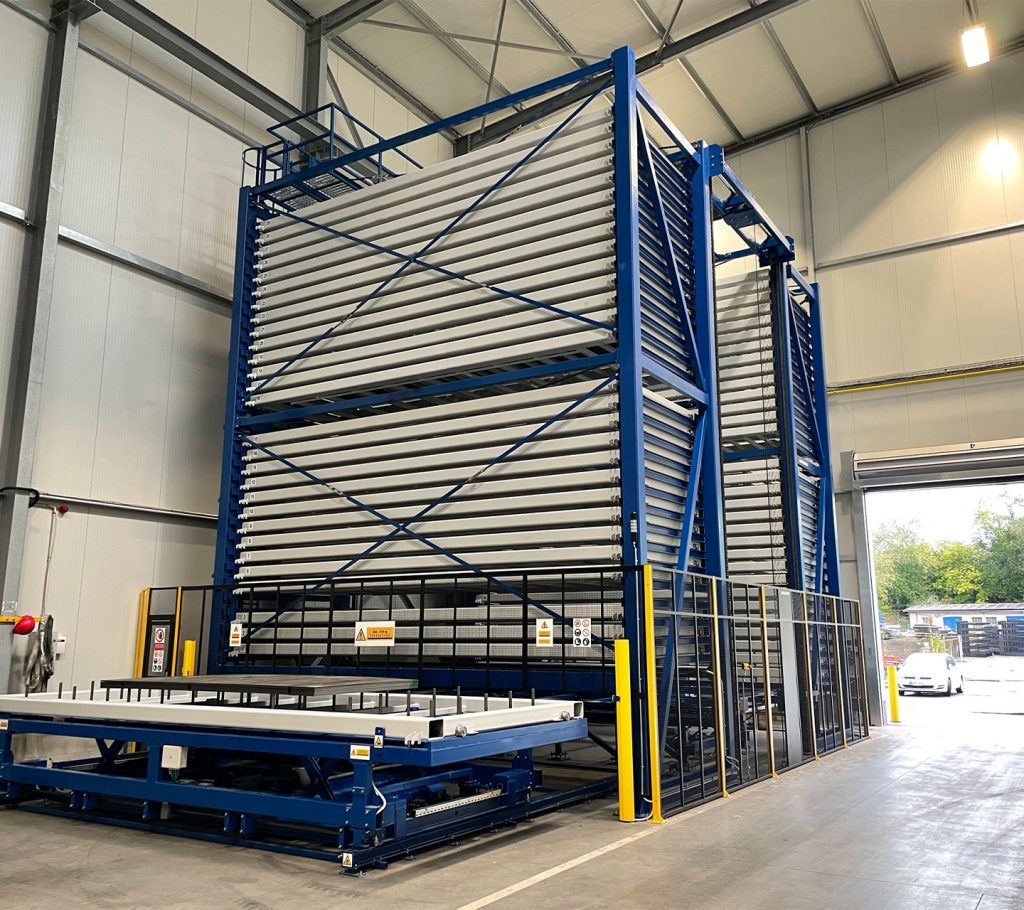
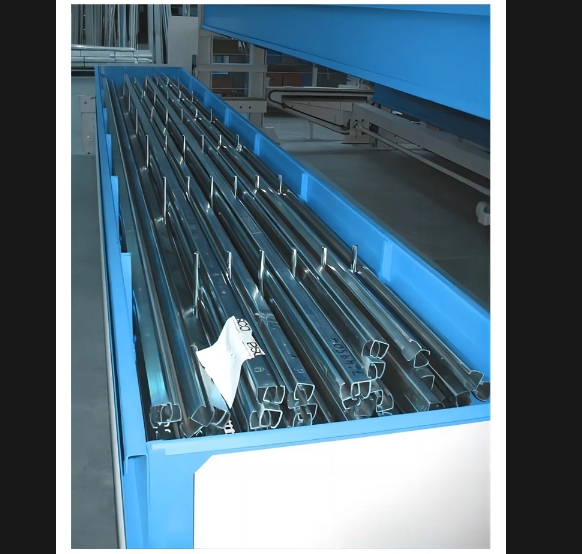
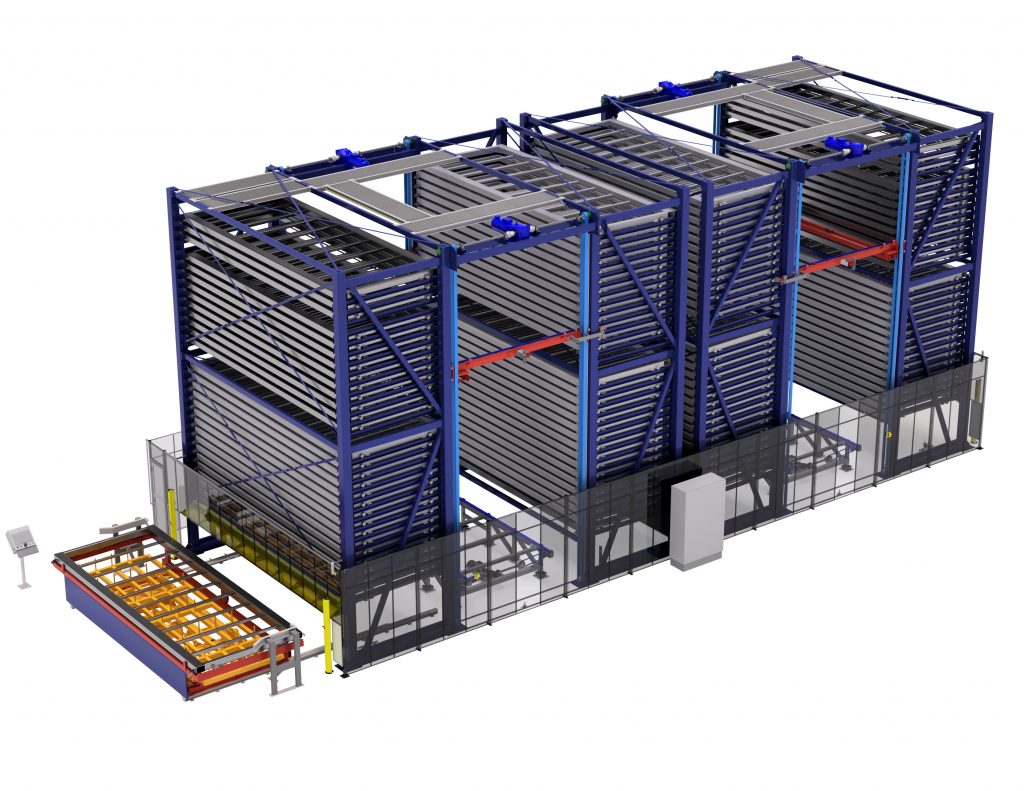
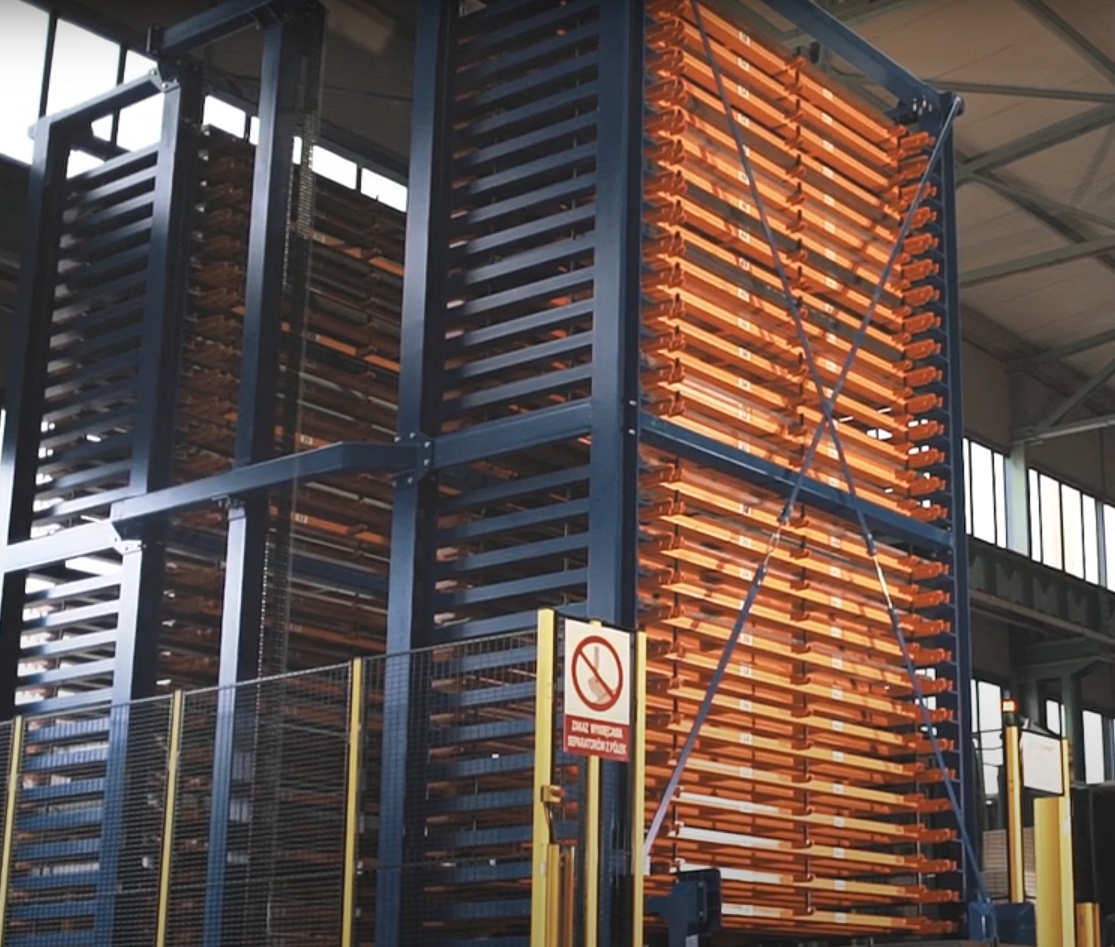
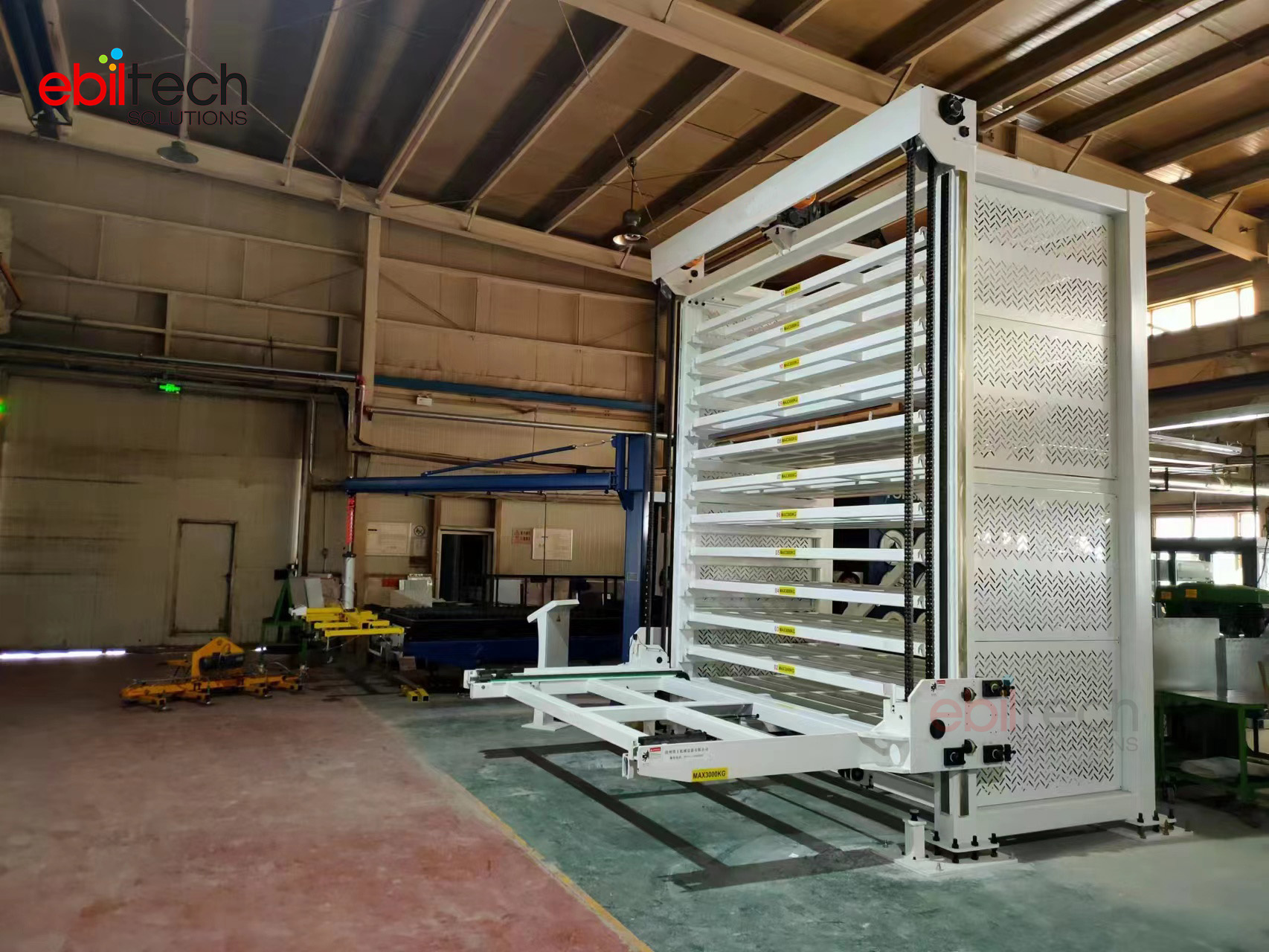
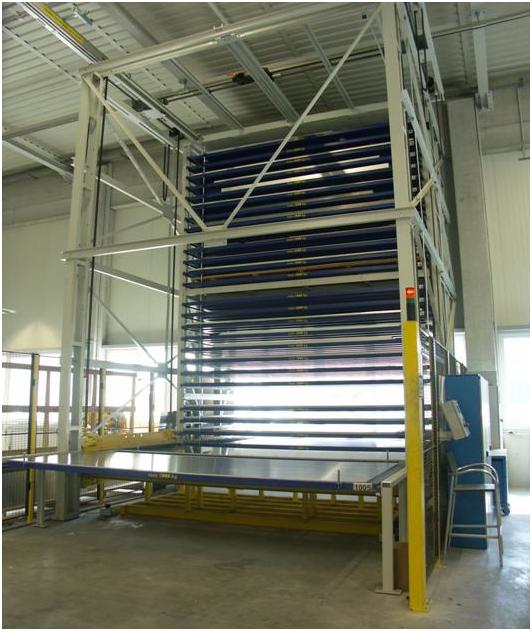
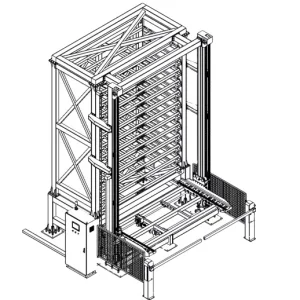
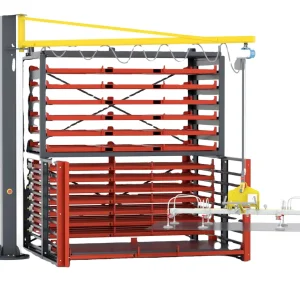
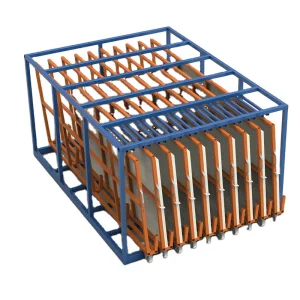
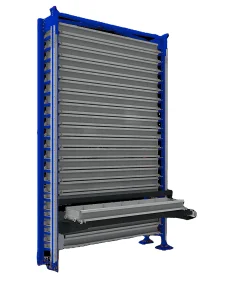
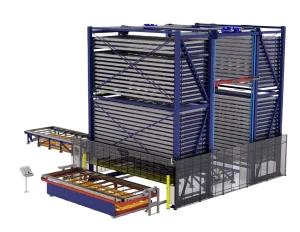
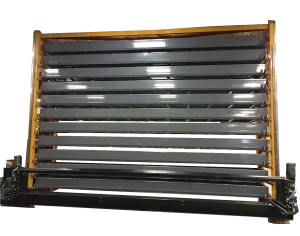
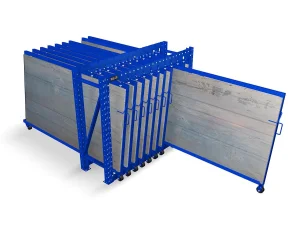
Metal Sheet Tower: The tower with a selectable floor plan and height, consists of a very robust welded structure, adapted on the inside for vertical storage of individual handling units. The containers of the handling units are of welded construction, dimensioned according to typical transport formats and weights of steel plate.
System Operation & Handling
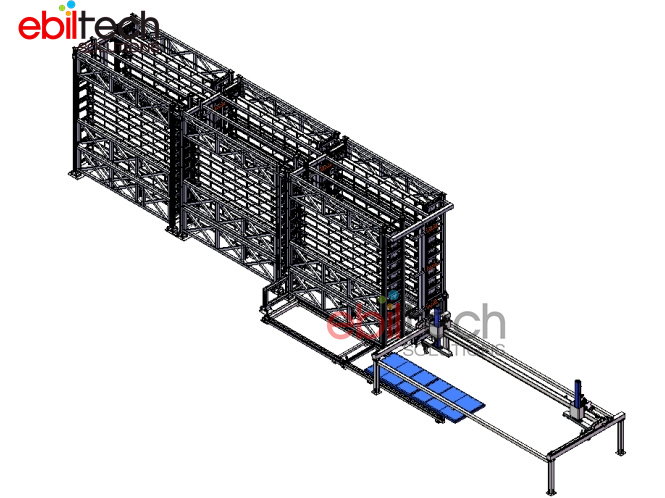
The extractor, which is part of the lifting manipulator, moves the handling unit horizontally from/to the storage position in the tower, while the lifting manipulator moves the unit vertically from/to the transfer position. The design of the dispensing table at the transfer point provides a "lift" of the material on the container, allowing whole bundles of boards to be transferred using a forklift truck.
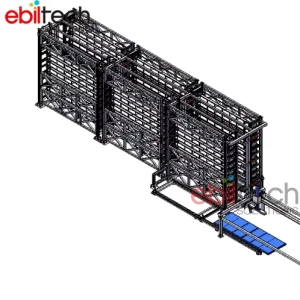
The handling of individual boards is usually carried out by a suction vacuum manipulator or magnet. For multi-tower systems, the transfer point can be designed as front, rear and/or side.
Dynamic Storage Advantages
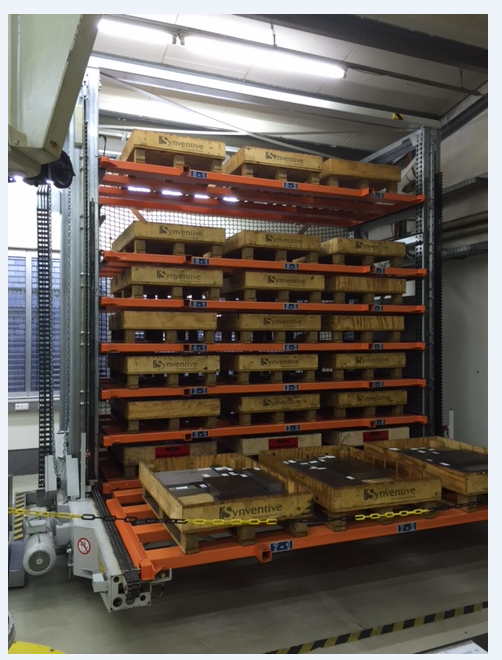
Vertical automatic storage systems are designed to store long bodies, sheet metal, and heavy carpentry, ensuring high flow rates. They are typically used as buffer tanks near cutting and production machines or as inter-operational warehouses.
✔ Stored materials include steel bars, profiles, pipes, semi-finished products, and molds.
✔ Dynamic "goods-to-operator" mode increases efficiency.
✔ Maximizes vertical space and quick assortment availability.
Frequently Asked Questions (FAQ)
1. What materials can be stored in the automated vertical system?
The system is designed to store steel plates, metal sheets, long bodies, bars, profiles, pipes, semi-finished components, and heavy molds.
2. How does the "goods-to-operator" mode benefit production?
It maximizes the use of vertical height and ensures that materials are delivered directly to the operator quickly and safely, significantly improving logistics efficiency and reducing manual handling.
3. Are installation and training services provided for international projects?
Yes, professional installation teams with extensive overseas experience are available. Engineers can be sent to the site for system debugging and staff training.
4. What is the typical lead time for an order?
For standard orders, manufacturing is usually completed within 20-30 days, ensuring timely delivery according to the formal agreement.
5. What are the available payment terms?
We generally accept T/T (Telegraphic Transfer) or L/C (Letter of Credit) for system orders.
6. What is the Minimum Order Quantity (MOQ)?
The standard MOQ is typically one 20ft container, though large-scale projects and custom configurations are handled on a case-by-case basis.
 Ebil Metal