Engineered high-density storage hardware designed to maximize warehouse utilization and speed up dynamic supply chain throughput.
Modern global logistics networks face unprecedented scale pressures. As supply chains transition from traditional linear routes to omnichannel networks, physical distribution facilities are no longer just storage houses—they are dynamic transit points. "Freight Solutions" are no longer restricted to ocean, air, or rail transport. True freight efficiency is unlocked when raw cargo meets integrated, high-capacity, and automated warehousing systems at logistics intersections.
Dynamic Intralogistics Optimization: The efficiency of long-haul freight distribution is directly bottlenecked by the pallet-per-hour processing capability of the landing warehouse.
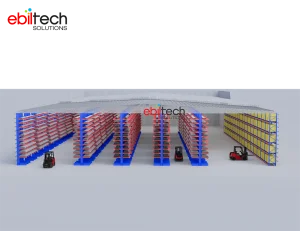
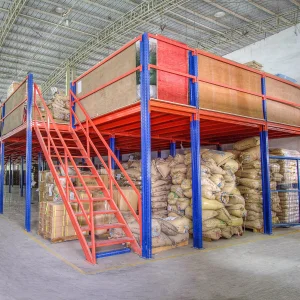
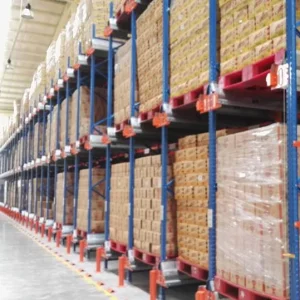
By leveraging high-grade structural steel configurations, automated guidance systems, and seismic-rated racking frameworks, global exporters can dramatically lower operational overheads, achieve near-zero inventory loss, and accelerate bulk pallet handovers. To address these demands, modern facilities must integrate a variety of smart racking configurations that scale up or down based on vertical volumetric limits.
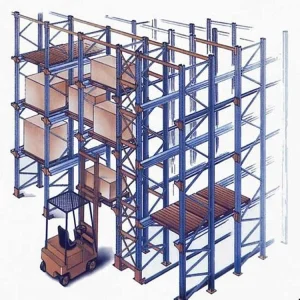
Developing structural storage solutions requires deep insight into inventory turnover rates (FIFO vs. LIFO), load distributions, and hardware interfaces. Let's analyze how standard and advanced structures support the intralogistics environment:
A premier Chinese manufacturing and export hub delivering specialized, certified storage solutions for global freight distribution networks.
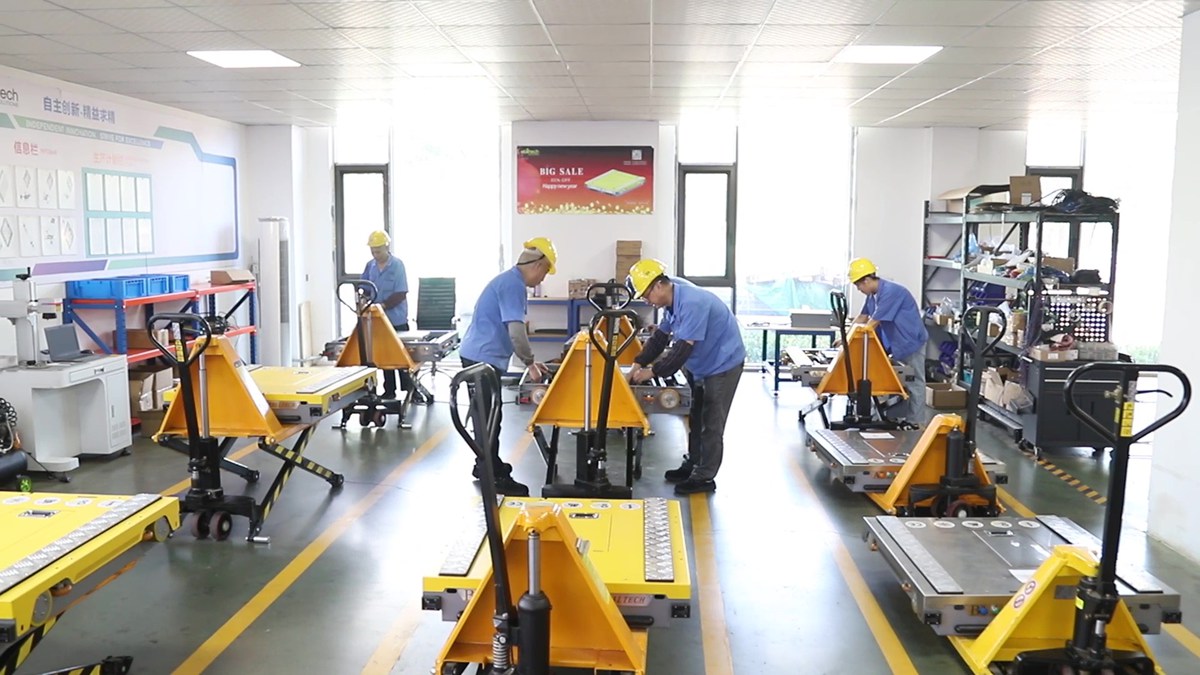
Established in 2017, Guangdong Ebil Metal Products Co., Ltd. has developed into a premier modern manufacturing powerhouse. Equipped with advanced automated roll-forming lines, state-of-the-art robotic welding configurations, CNC processing centers, and fully automated electrostatic powder-coating lines, Ebil manufactures structural steel storage systems designed to withstand heavy warehouse conditions worldwide.
With more than 12 years of industry experience and 8 years of dedicated export experience, Ebil has successfully deployed warehouse assets in over 60 countries across North America, Europe, Southeast Asia, the Middle East, and Oceania. From standard warehouse shelving to massive customized industrial racking installations, Ebil’s physical footprint supports major logistics terminals, e-commerce fulfillment centers, and industrial manufacturing plants globally.
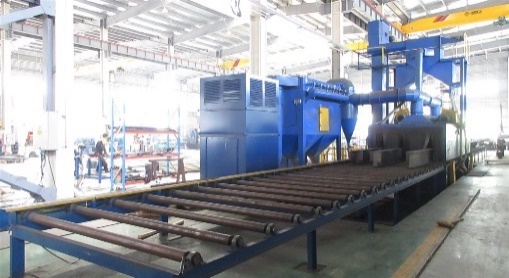
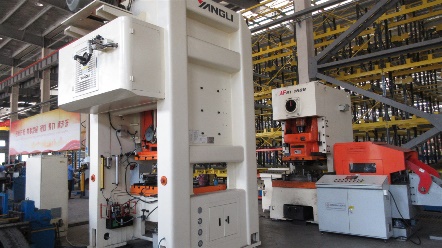
Ebil operates a complete in-house manufacturing process, subjected to rigorous structural tests to guarantee high load capacities and long-term durability.
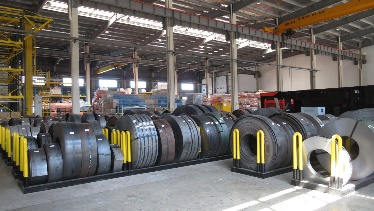
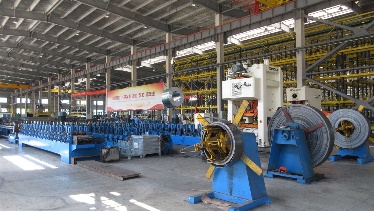
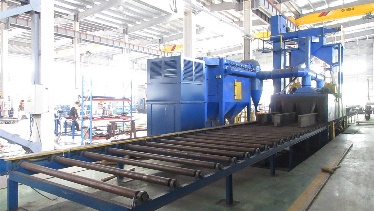
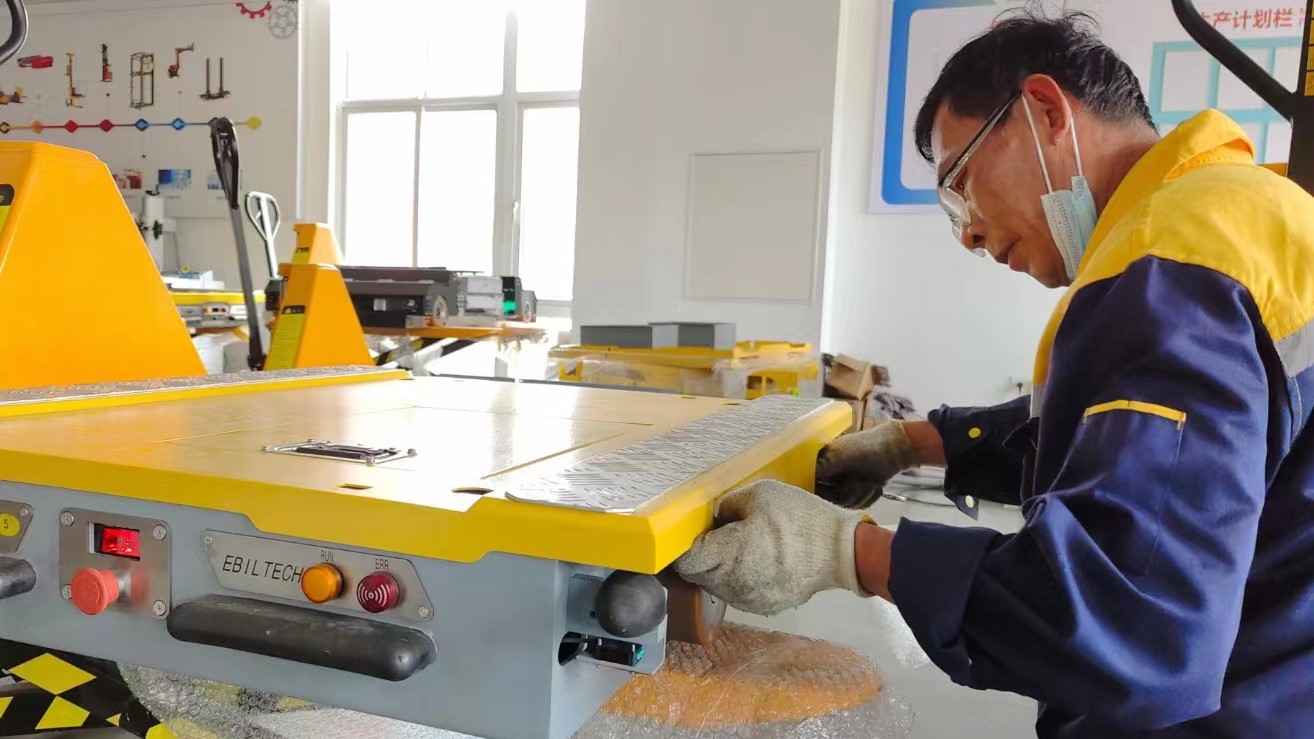
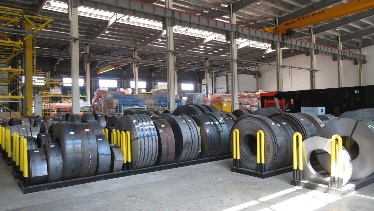
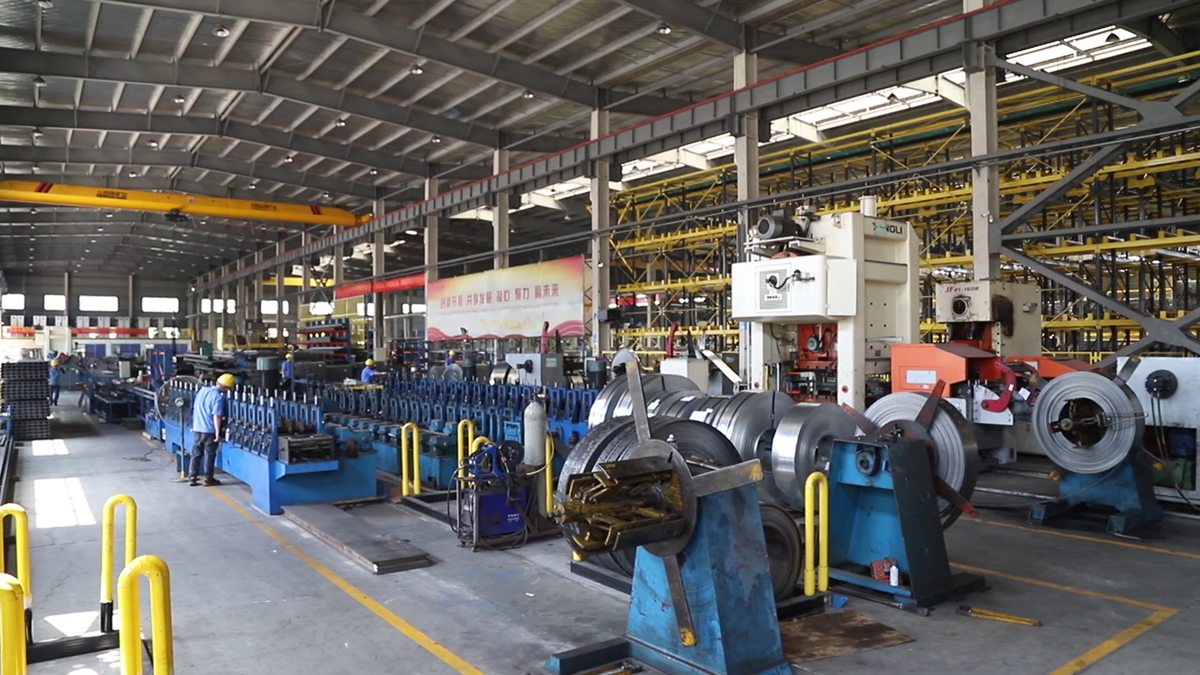
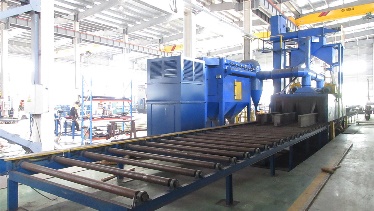
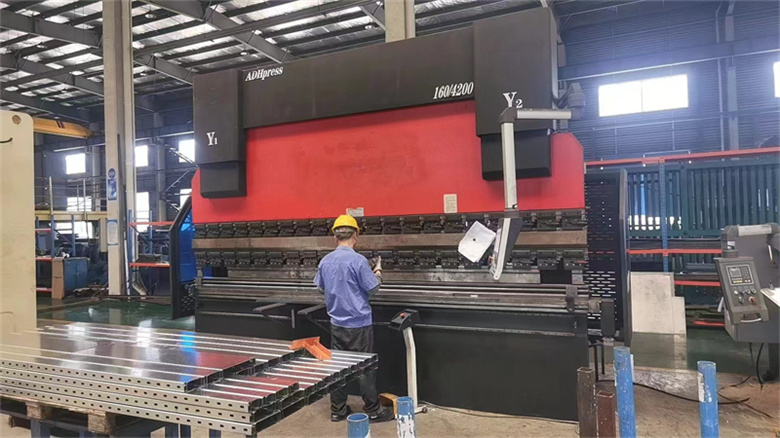
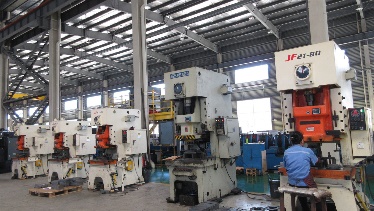
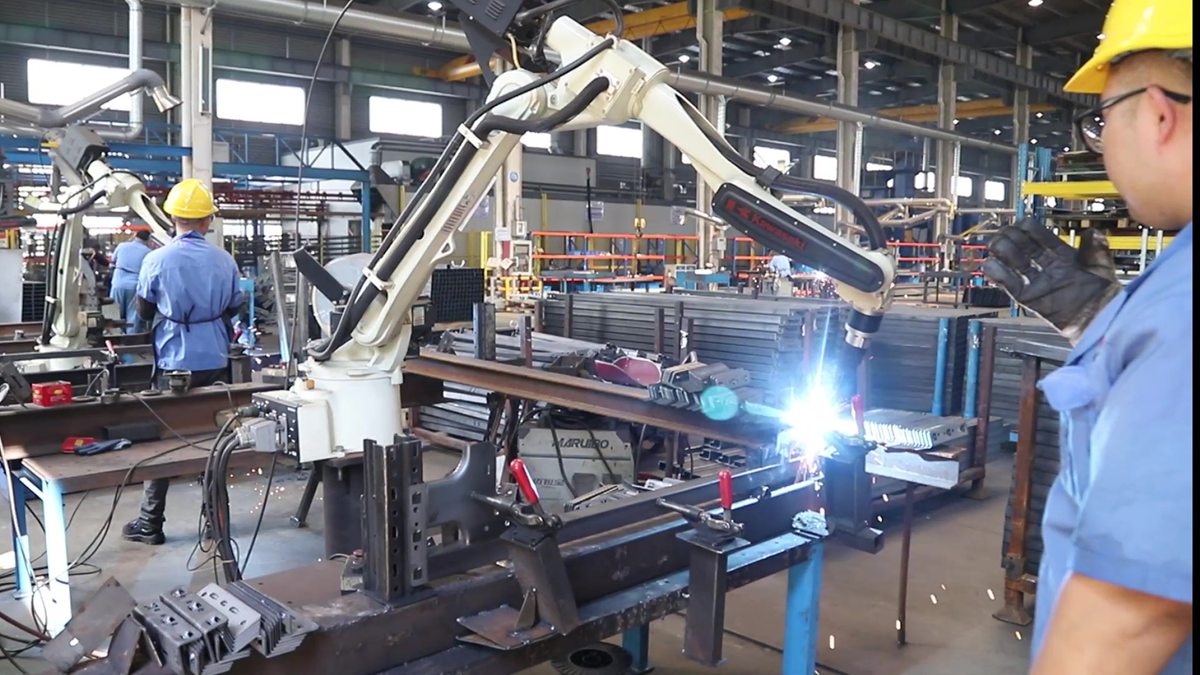
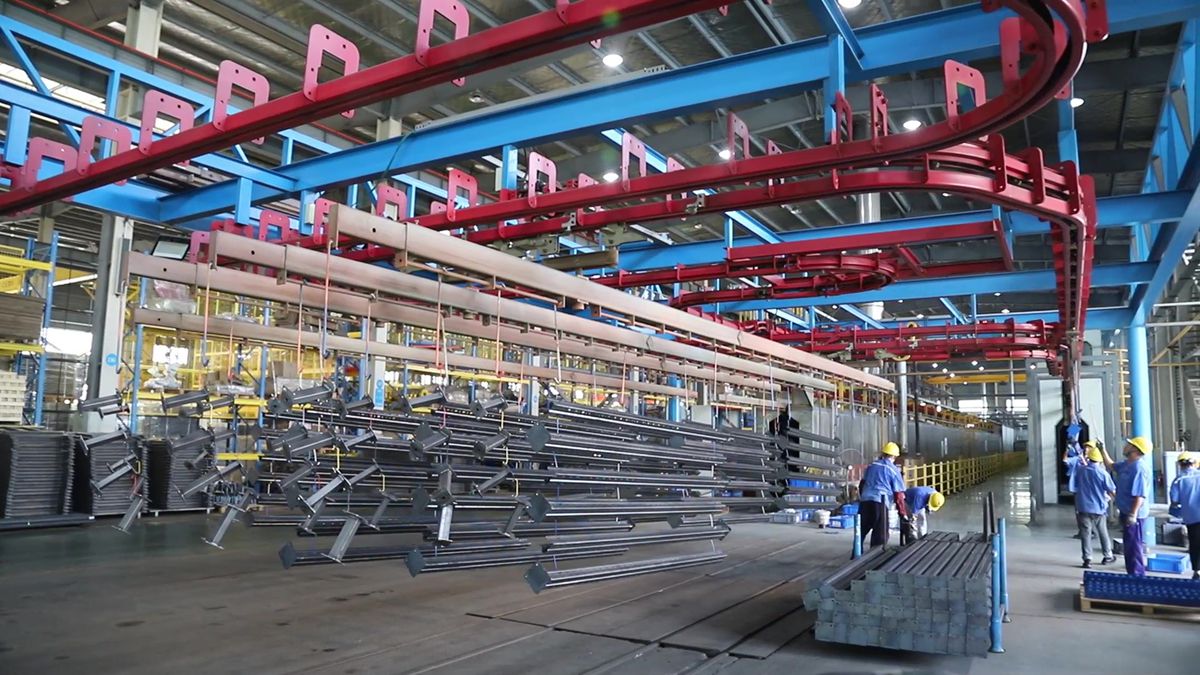
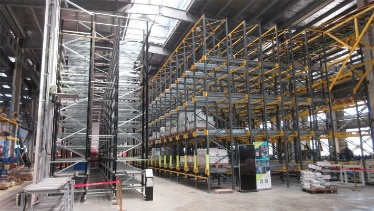
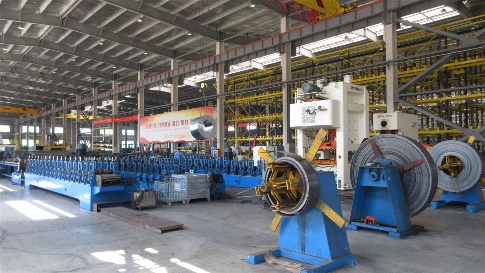
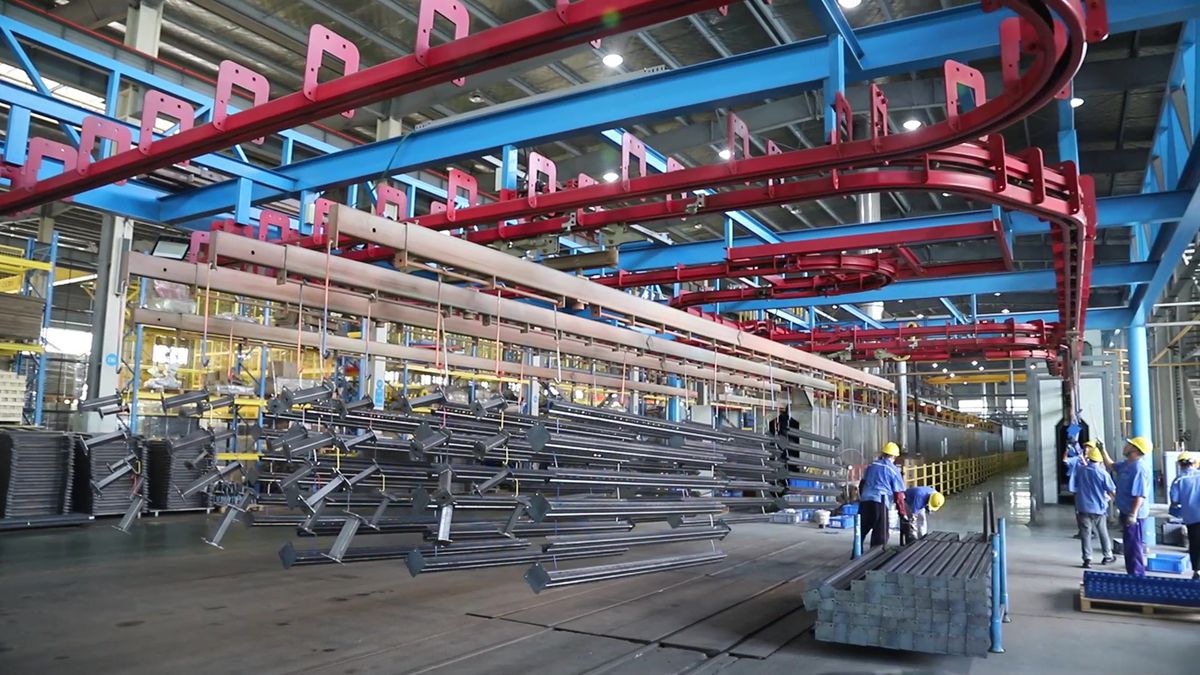
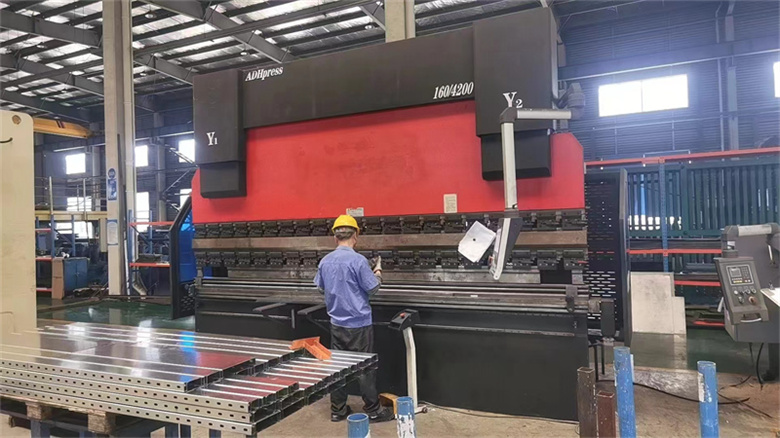
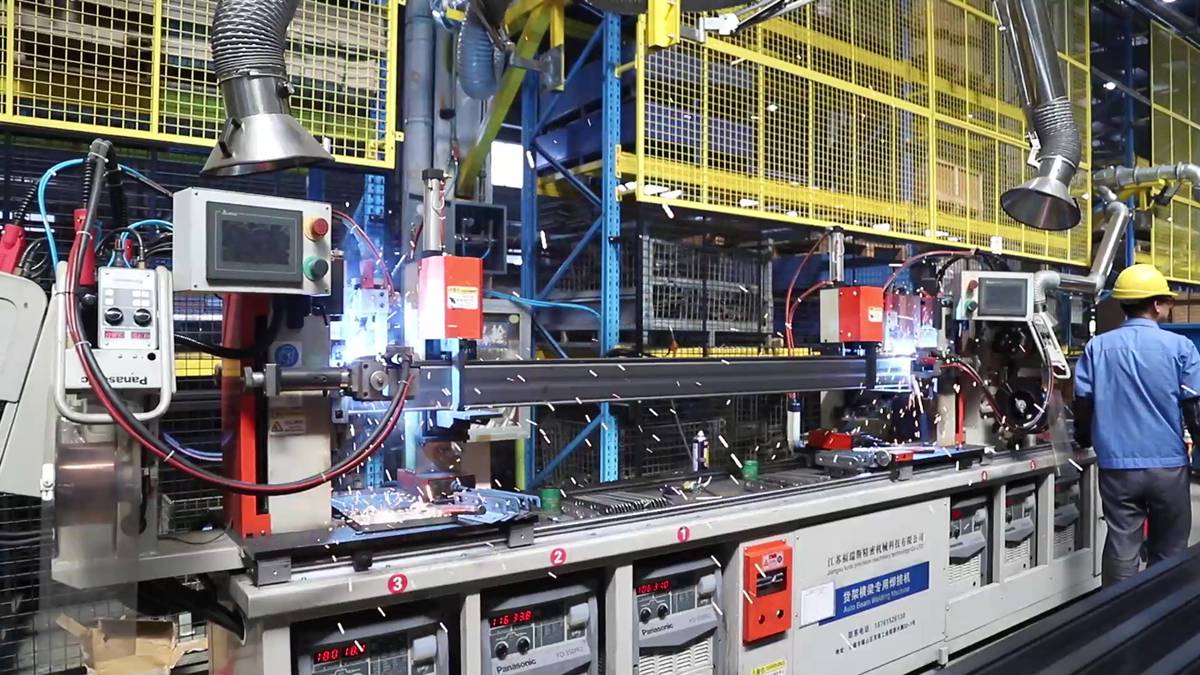
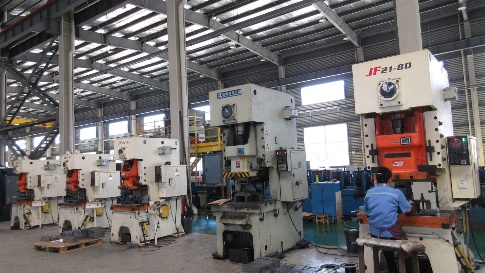
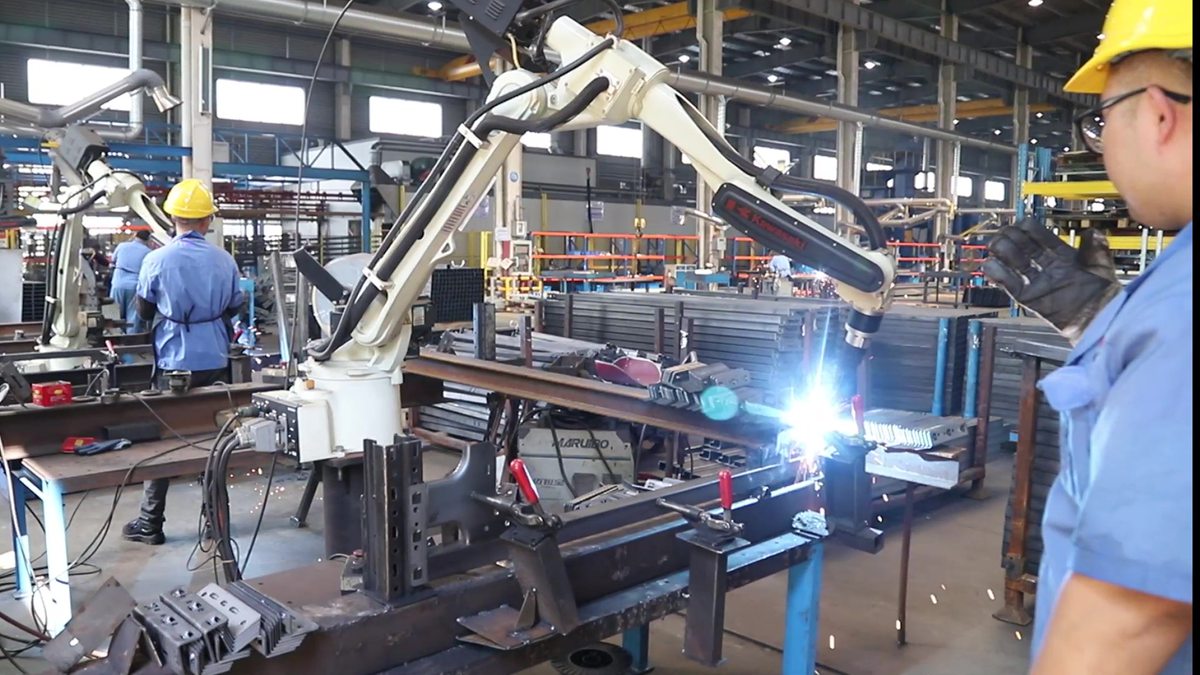
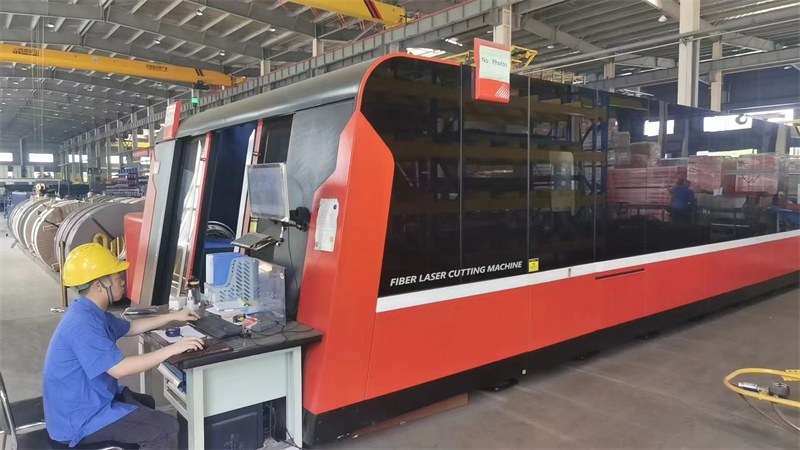
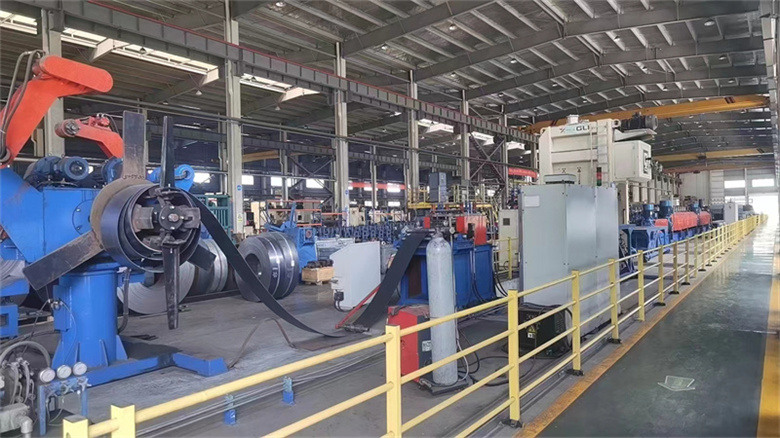
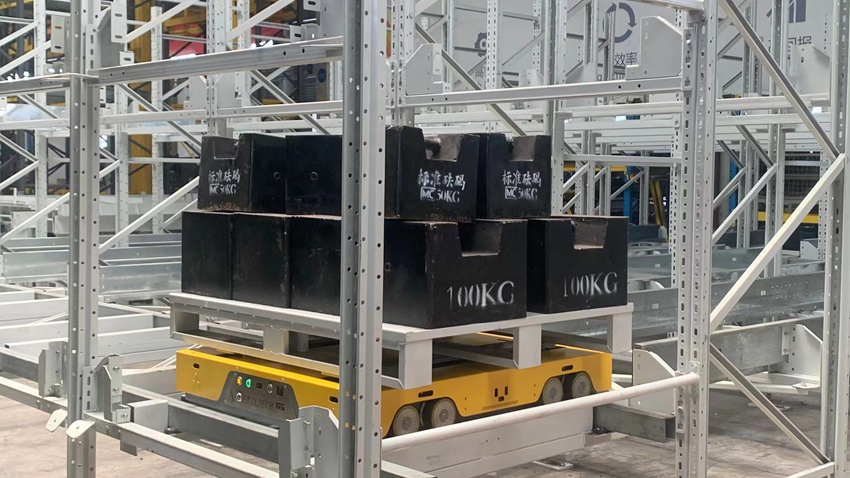
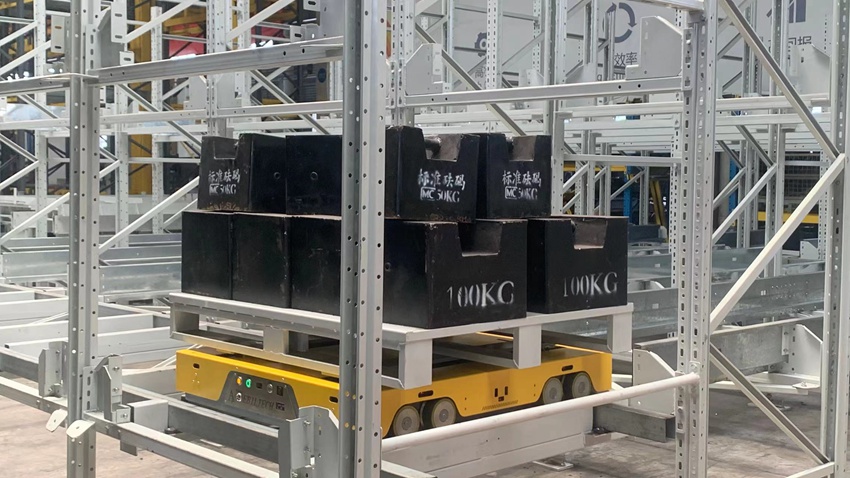
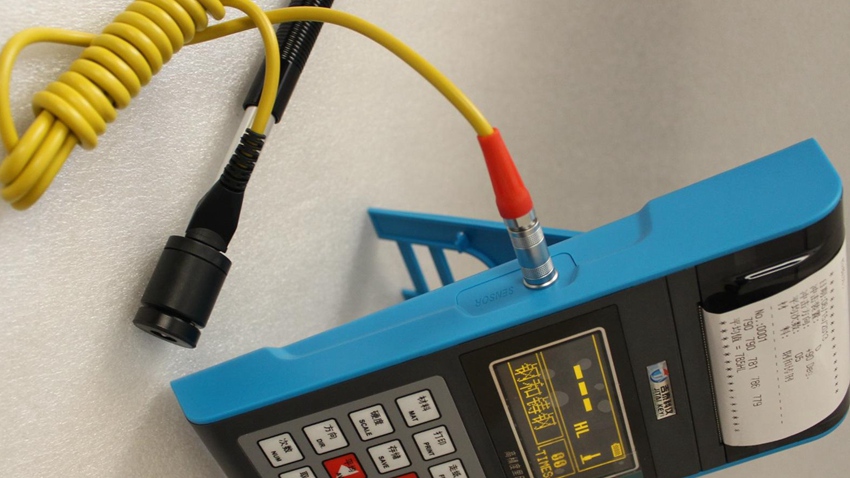
Quality is the foundation of Ebil's business. To maintain structural safety and support load bearing calculations under real-world conditions, Ebil’s Quality Control department comprises 56 professional inspectors. Every batch of products undergoes strict physical and chemical tests before shipping, including:
Expanding operations into foreign jurisdictions requires rigorous attention to structural engineering standards. Steel structures must satisfy localized safety codes, and dynamic materials handling systems must integrate seamlessly with local energy grids and automation layers.
To support global deployments, Ebil designs systems compliant with leading international standards, ensuring smooth local permitting and safety sign-offs:
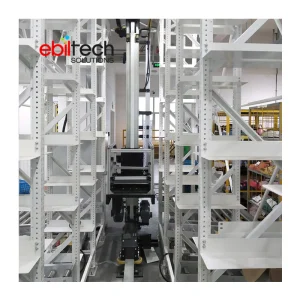
With an R&D team of 48 experienced engineers and an annual output of approximately 96 new products, Ebil provides comprehensive OEM & ODM customization services. Ebil coordinates with local installation partners to ensure precise alignment, structural plumbing, and anchorage setup. This ensures that the installed system interfaces correctly with automatic shuttle systems, wire decking, and automated storage and retrieval systems (AS/RS).
The warehouse of tomorrow is self-optimizing. As operations shift away from manual forklift transport, intelligent robotics take center stage. Below is Ebil’s technological development path for automated logistics integration:
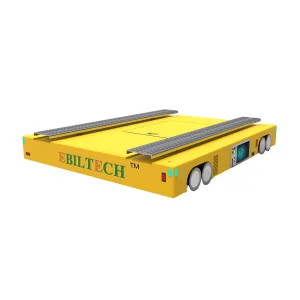
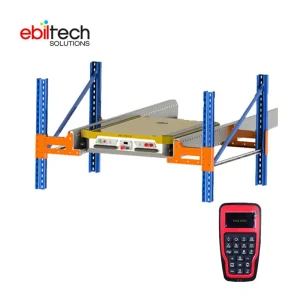
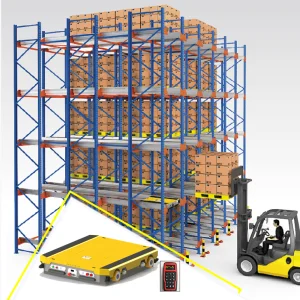
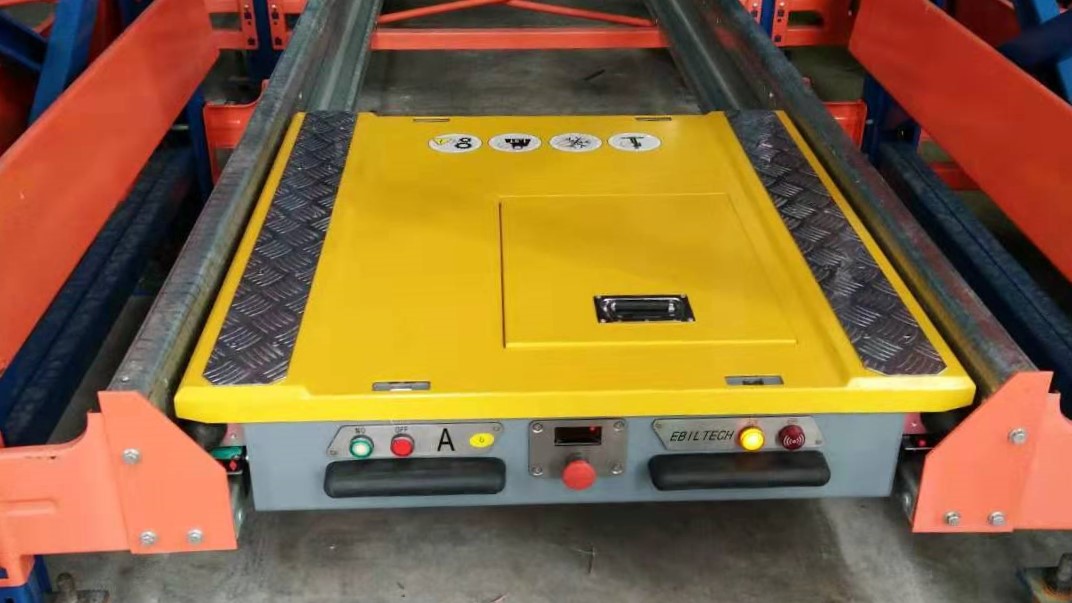
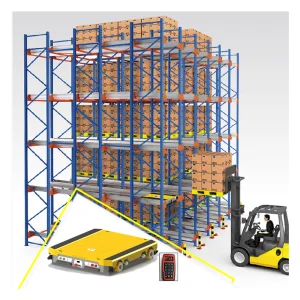
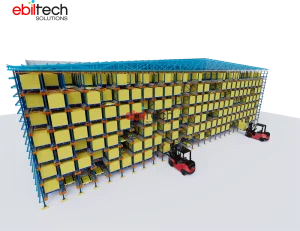
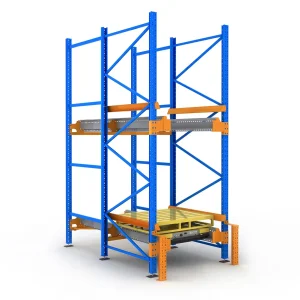
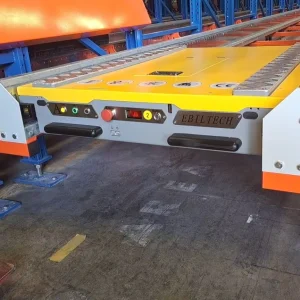
Utilizing semi-automatic radio shuttle runner systems to travel within racking channels. This reduces forklift movement inside the aisles, optimizing forklift travel times and storage density.
Deploying smart four-way shuttle systems that move both longitudinally and laterally across levels. This allows the shuttles to change levels via integrated vertical lifts without manual forklift assistance.
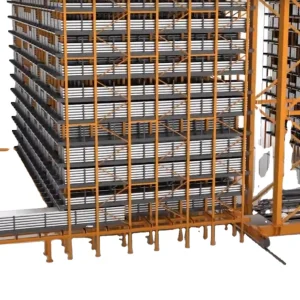
Combining mechanical systems with proprietary Warehouse Management Systems (WMS) and Warehouse Control Systems (WCS). AI algorithms optimize pathing for shuttle carriers and mini-load stacker cranes, minimizing travel cycles and maximizing shipping speeds.
Answers to common structural, automated, and export logistics questions.
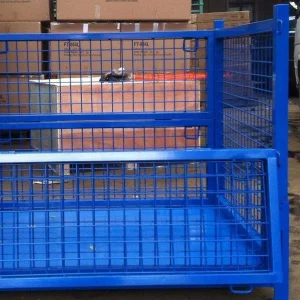
High-quality steel platforms, wire decking, and automated carrier machines designed to support safety and efficiency in your warehouse operations.
 Ebil Metal