Select Industrial Systems Designed for Structural Load Optimization and High-Throughput Warehouse Workflows
Guangdong Ebil Metal Products Co., Ltd. is a premier manufacturing enterprise specializing in industrial storage systems and structural warehouse racking solutions. We operate at the intersection of structural engineering and logistics optimization, designing, manufacturing, and supplying high-density racking and automation-ready configurations for warehouses, cold storage facilities, distribution centers, retail entities, and manufacturing hubs globally.
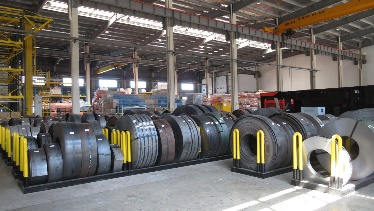
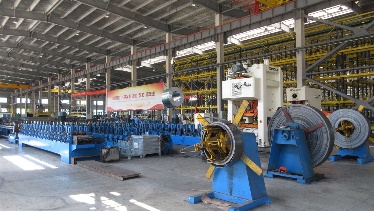
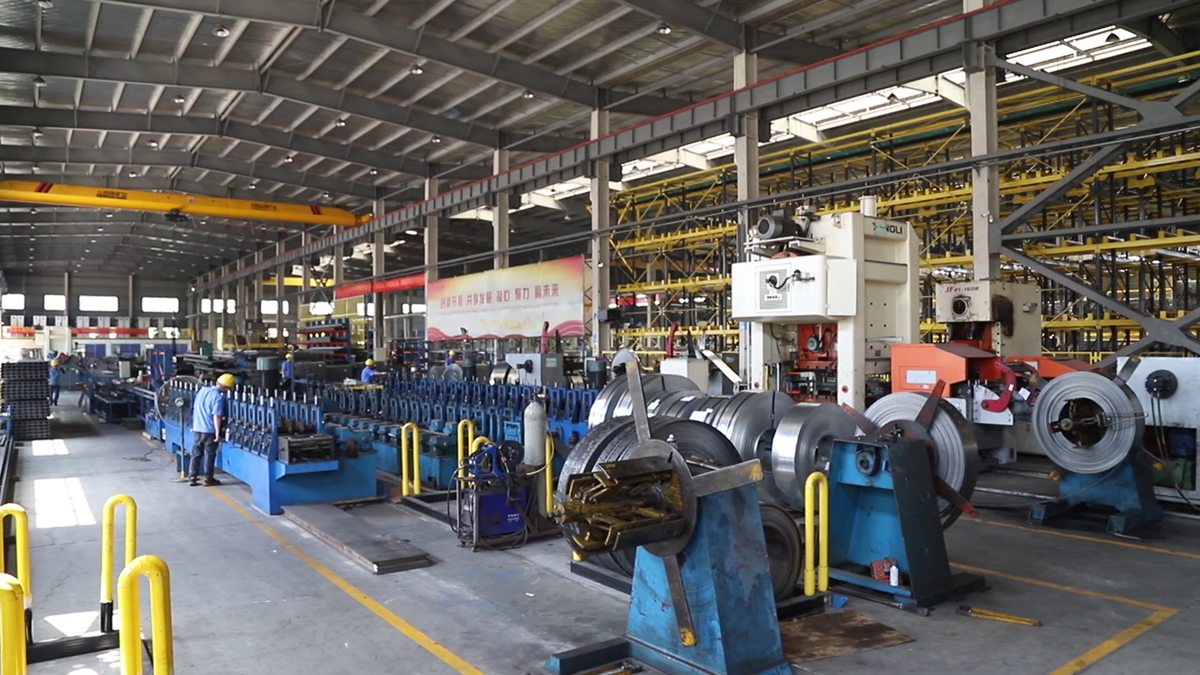
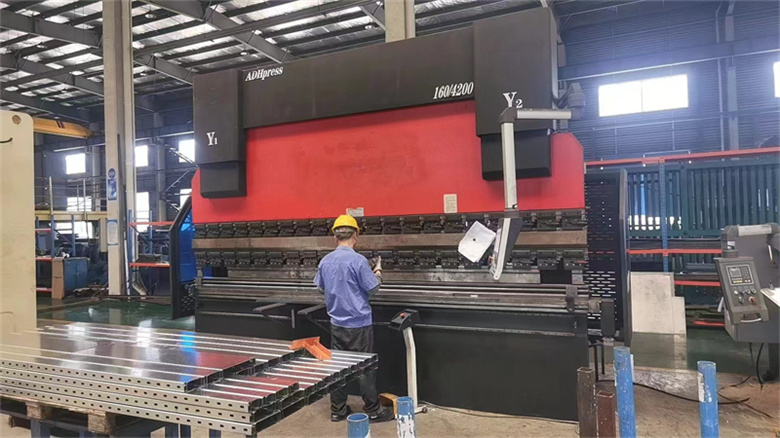
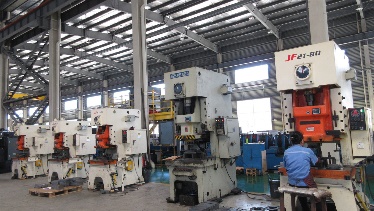
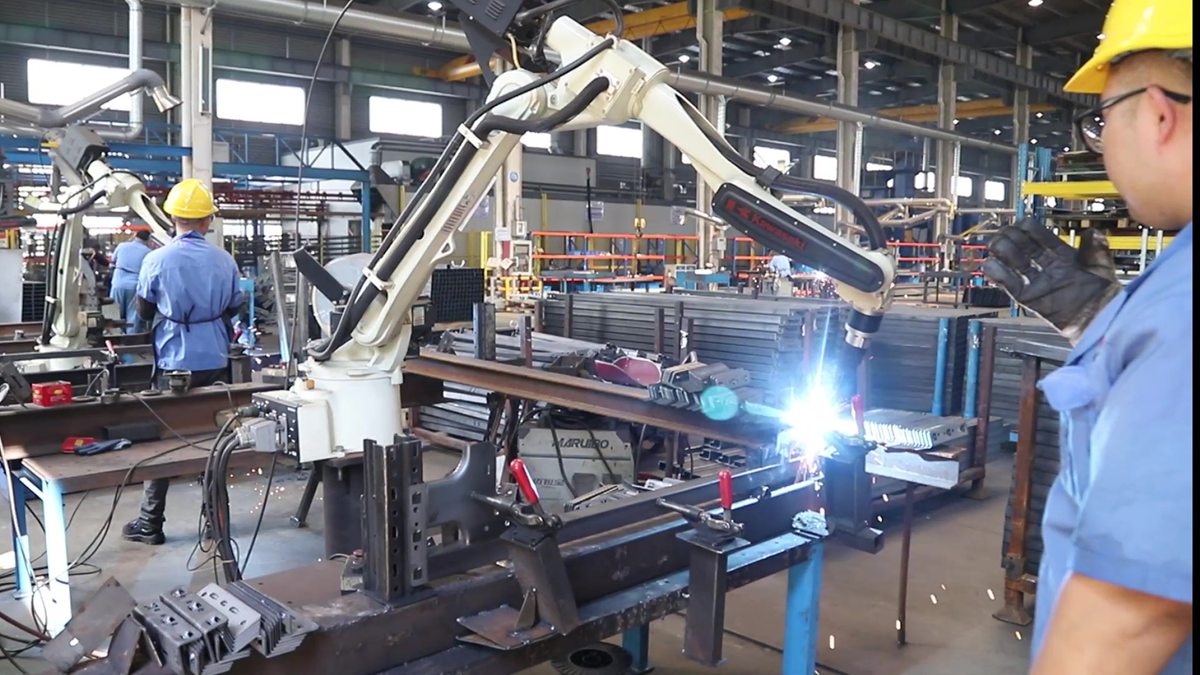
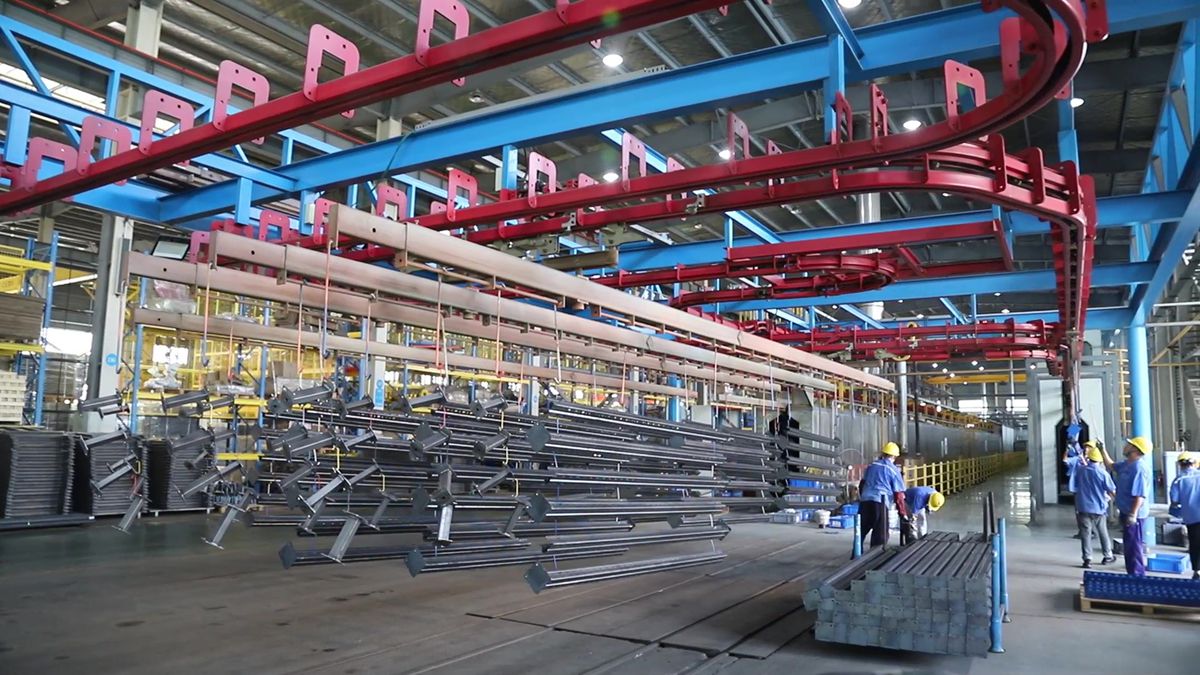
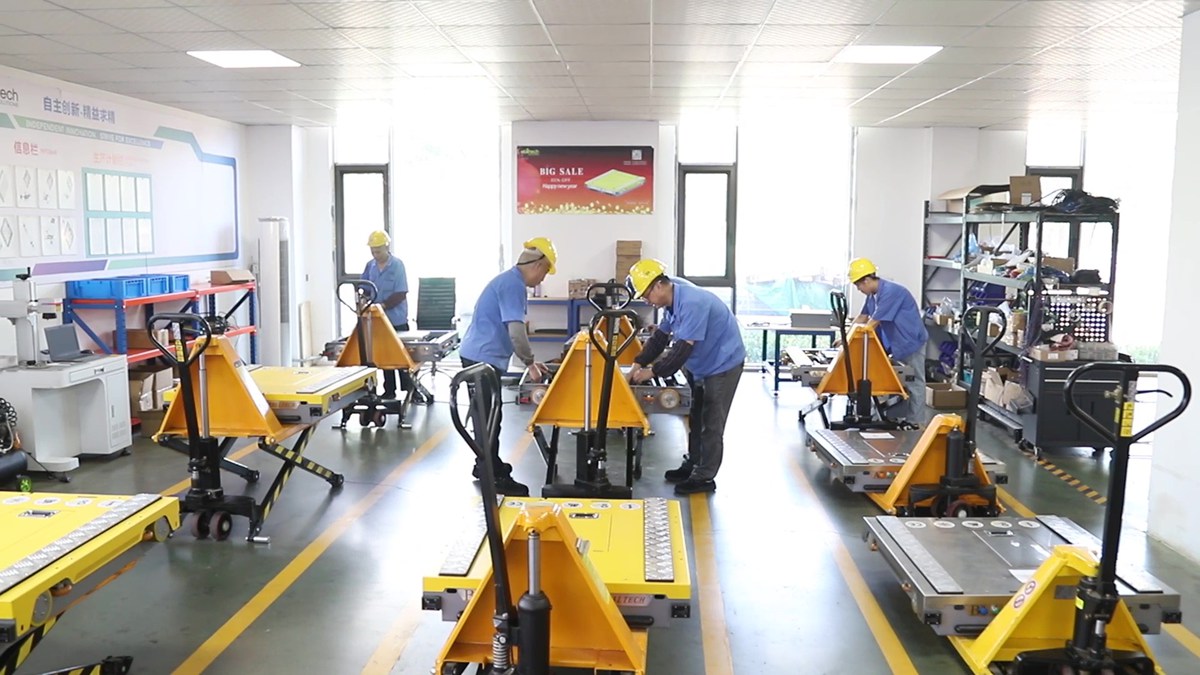
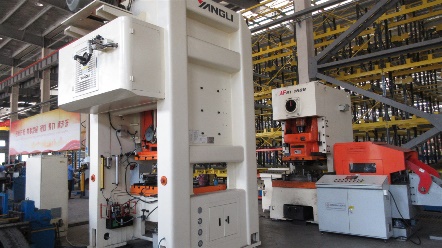
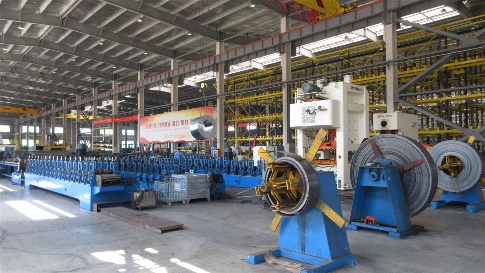
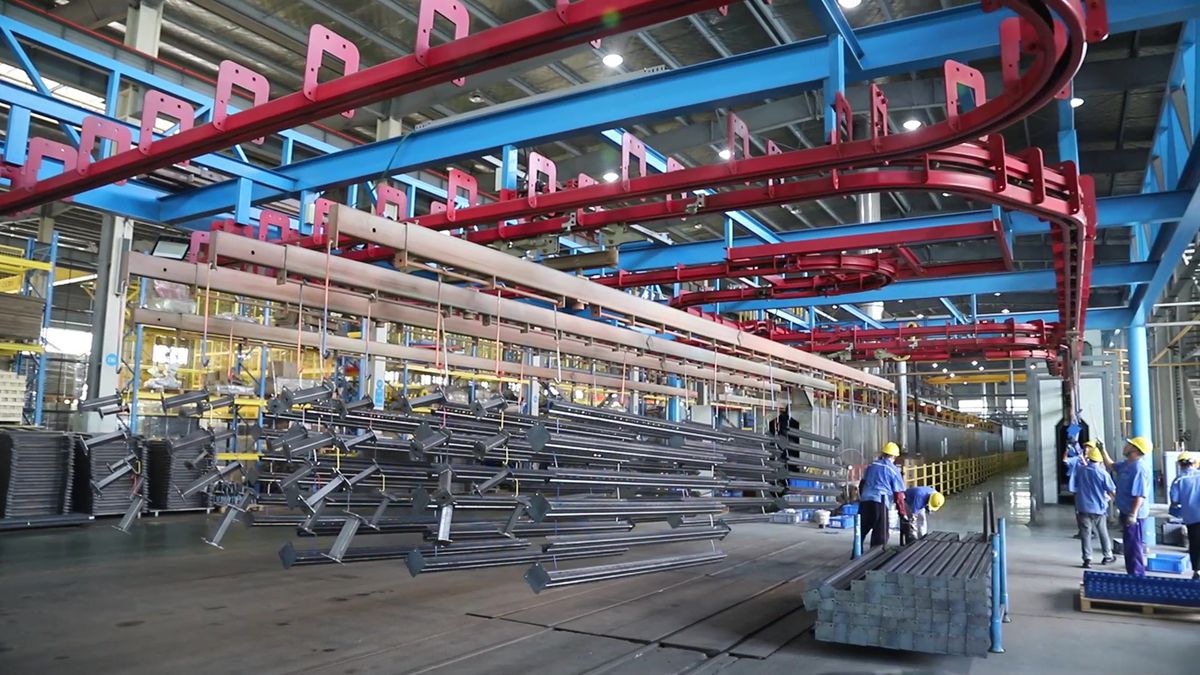
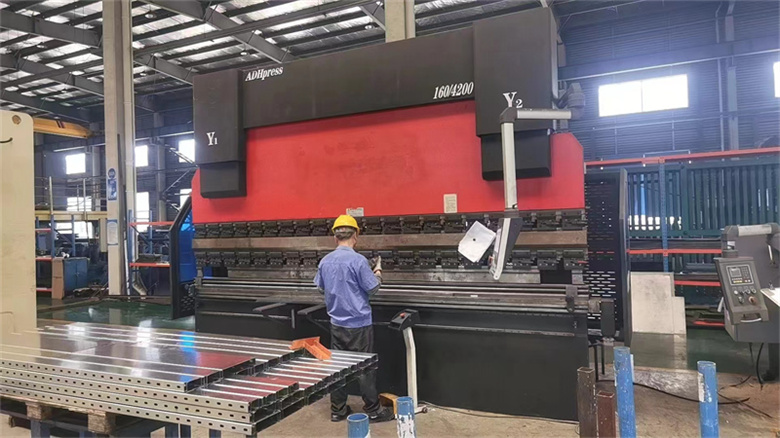
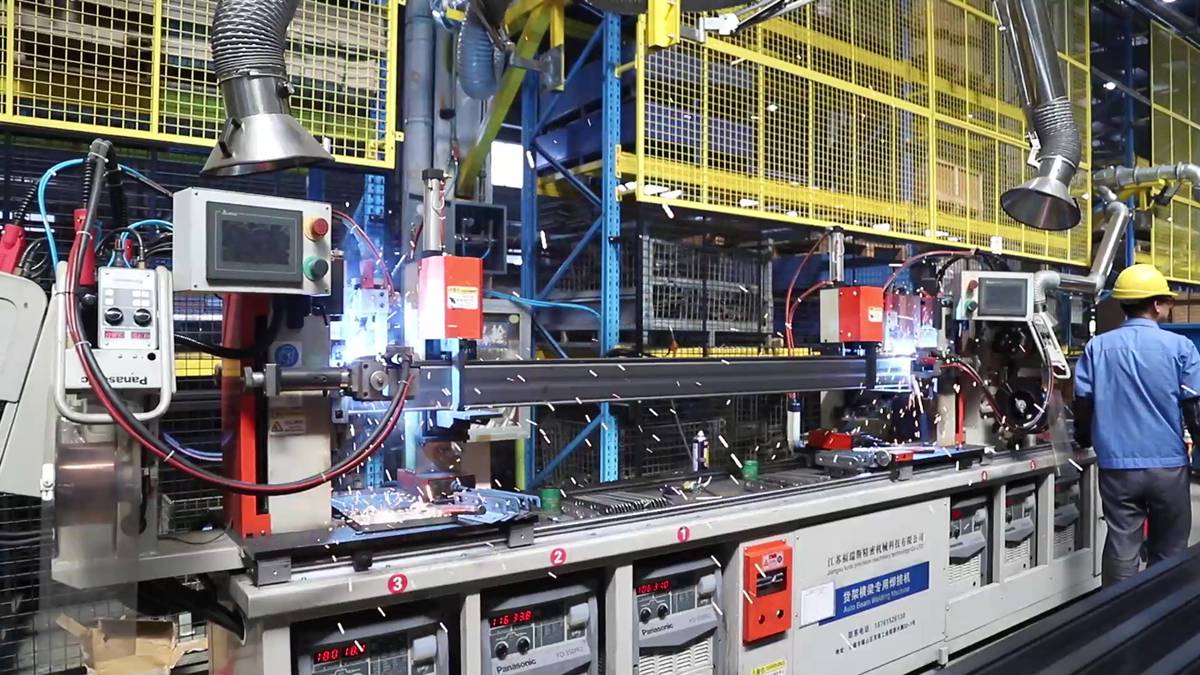
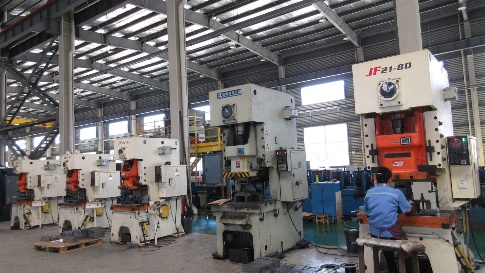
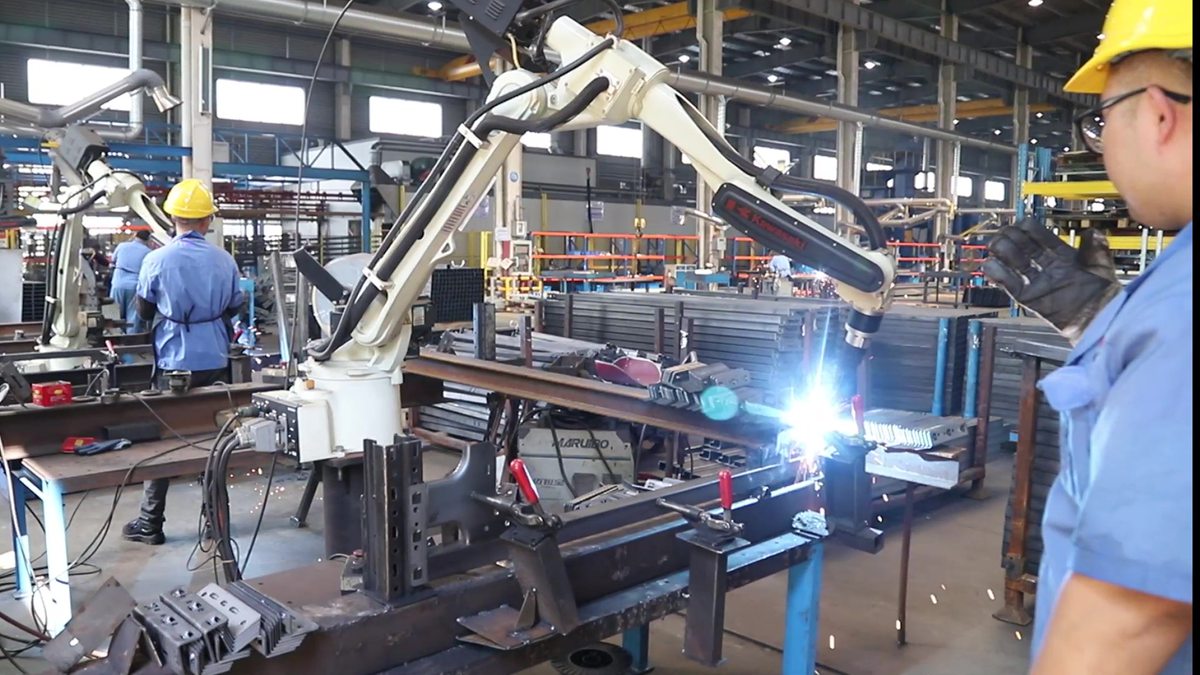
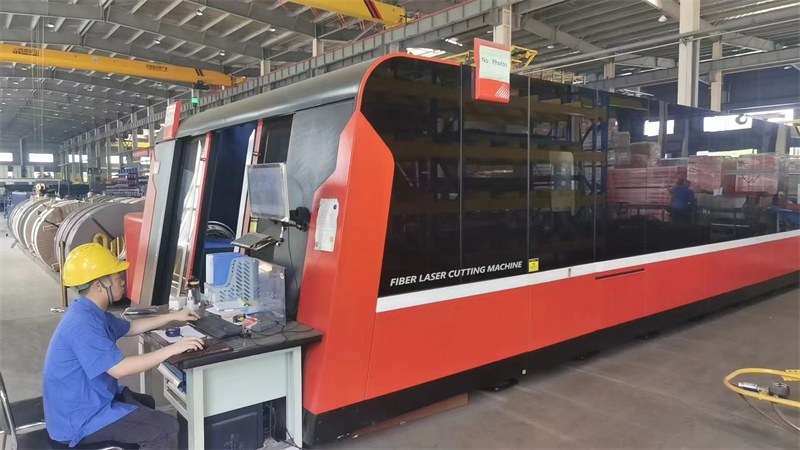
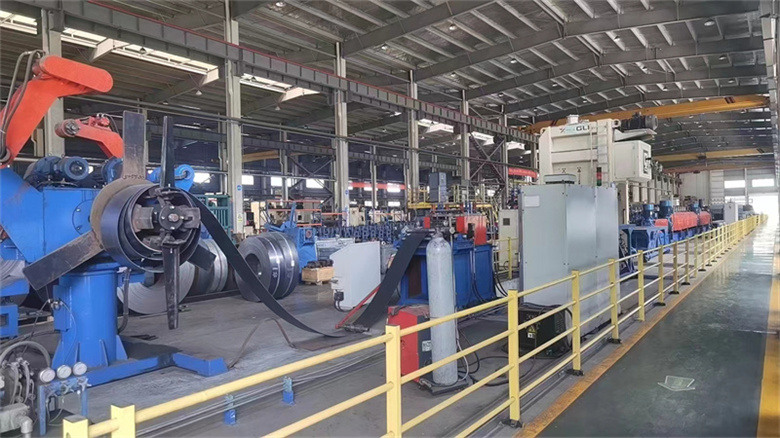
Established in 2017, Ebil has systematically scaled its operations to dynamic heights. We occupy a state-of-the-art 26,800 m² production facility equipped with high-precision automatic cold roll forming lines, heavy-duty robotic welding cells, multi-axis CNC machining stations, and fully integrated automated electrostatic powder coating systems. This technical infrastructure ensures our output matches the most rigid global engineering baselines.
"With over 12 years of industry experience and 8 years of export operations, Ebil has engineered custom storage solutions across 60+ countries throughout North America, Europe, Southeast Asia, the Middle East, and Oceania."
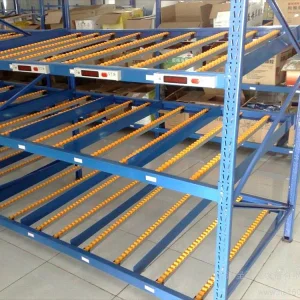
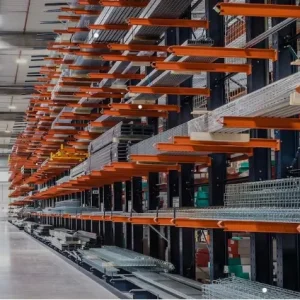
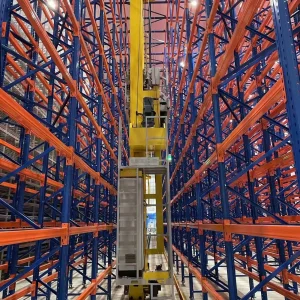
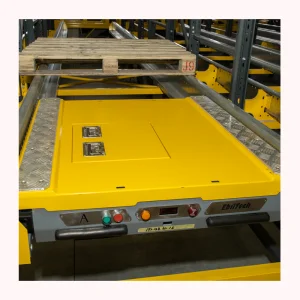
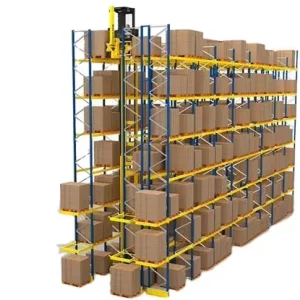
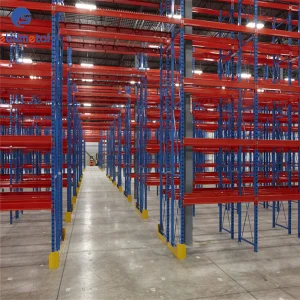
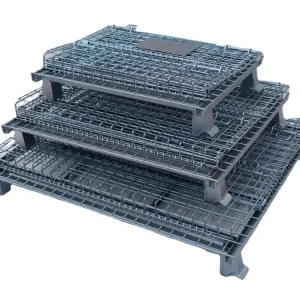
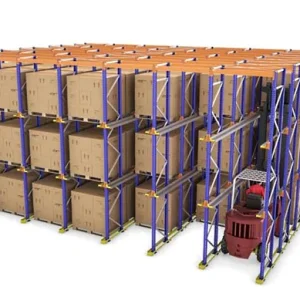
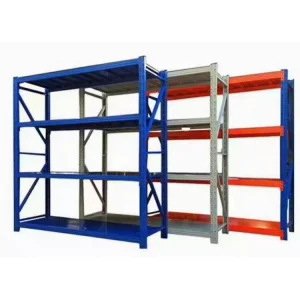
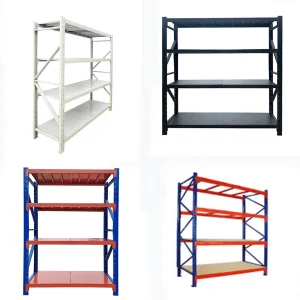
Our comprehensive storage solutions are systematically categorized to resolve distinct density, access, and warehouse throughput configurations:
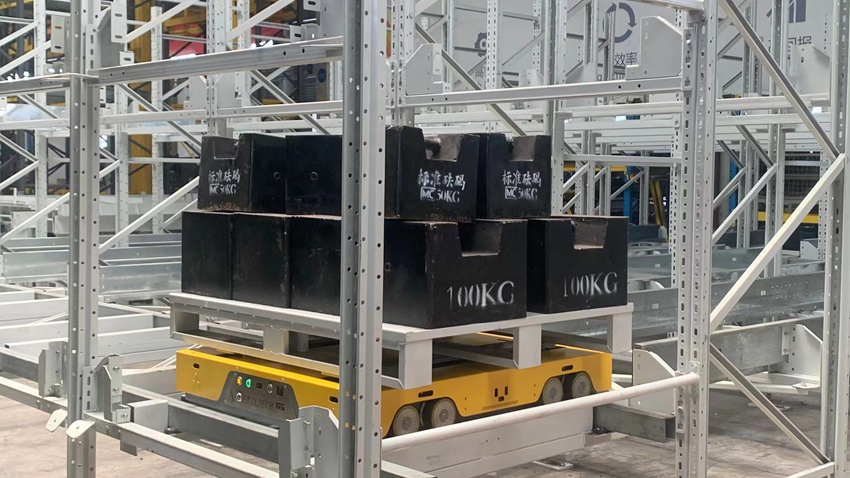
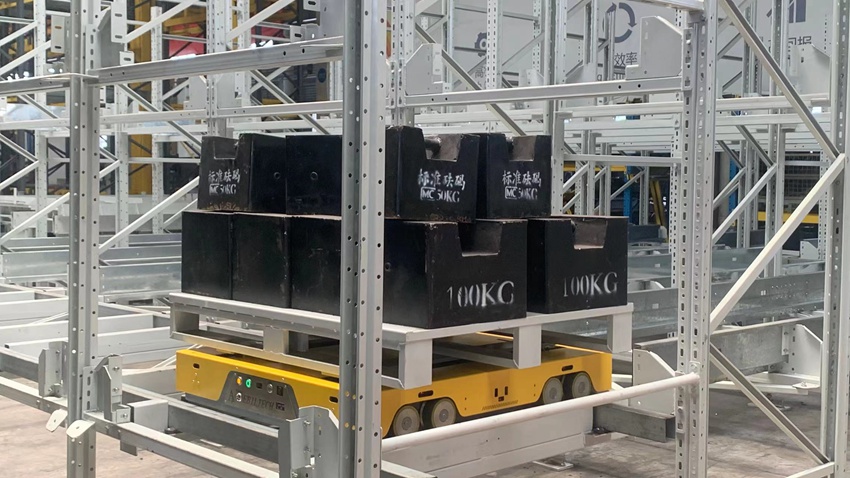
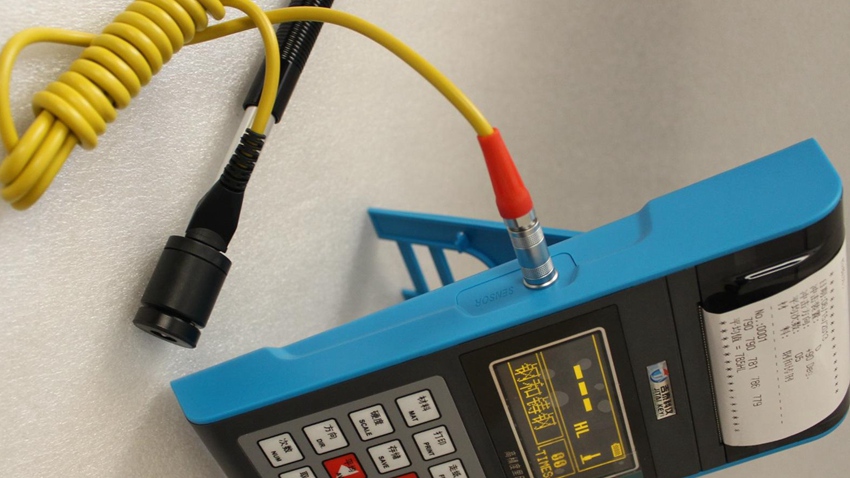
From raw material verification to advanced surface coatings and heavy load verification testing, every step of Ebil's manufacturing chain adheres to ISO 9001 quality controls.
How Guangdong Ebil utilizes supply chain concentration and advanced metallurgical standards to provide structural safety and economic value to international procurers.
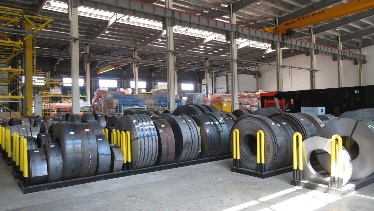
The baseline safety of any heavy-duty industrial rack rests upon steel structural integrity. Ebil source high-grade Q235B and Q355B structural carbon steel directly from China's premier state-owned mills. Q355B steel offers superior yield strength (up to 355 MPa) allowing for highly stable configurations with optimized upright profiles, maximizing space utilization without structural compromise under seismic calculations.
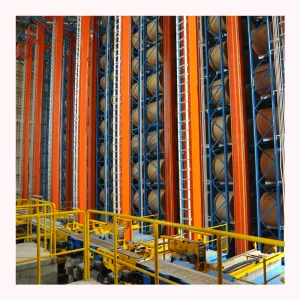
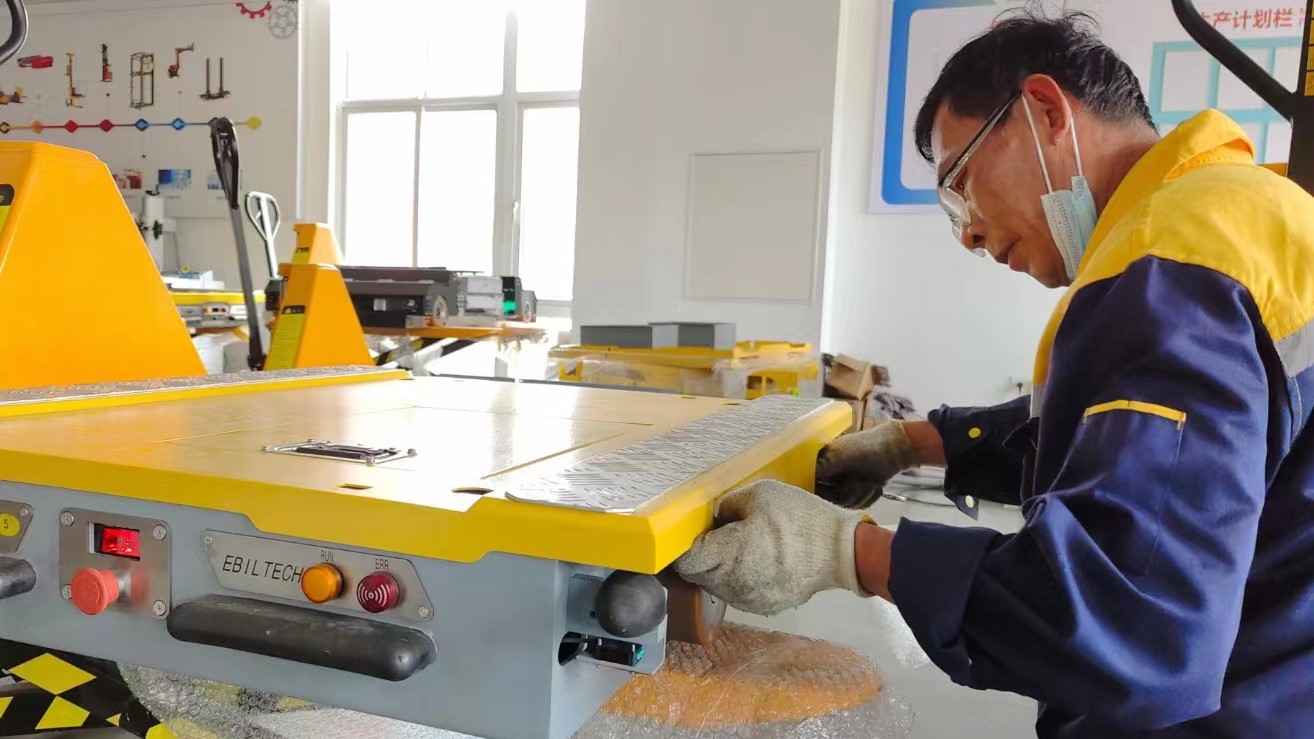
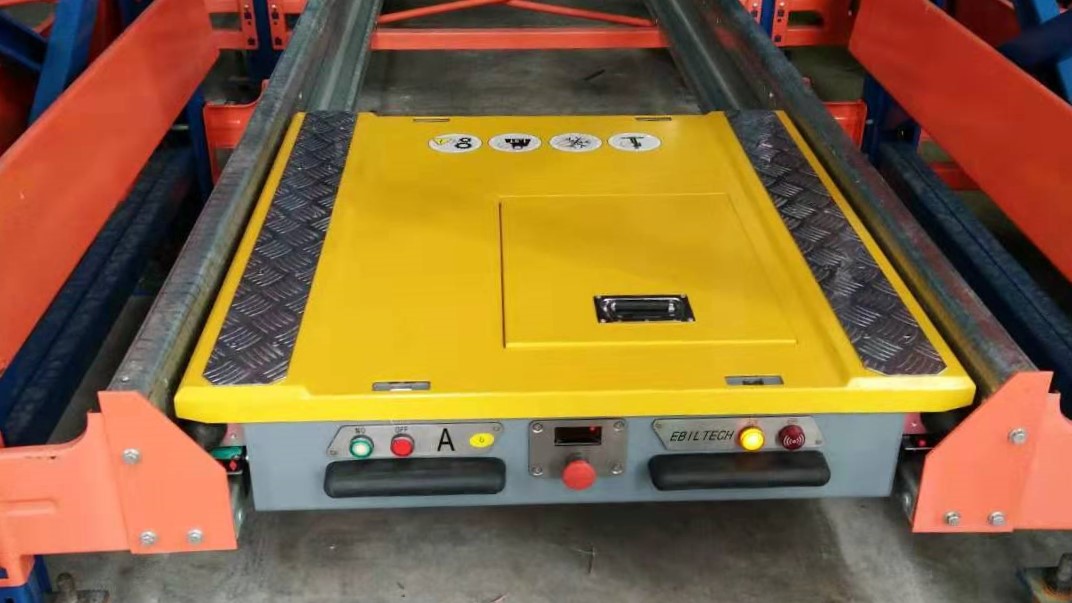
Modern high-density storage is no longer purely static. Modern facilities integrate Radio Pallet Shuttles and vertical Stacker Crane (AS/RS) operations. Ebil designs racking structures with structural tolerances of +/- 1mm, far exceeding ISO standards. This dimensional consistency prevents automated guide vehicles (AGVs) and shuttle runners from encountering navigation friction, increasing throughput by up to 35%.
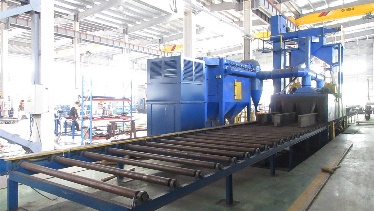
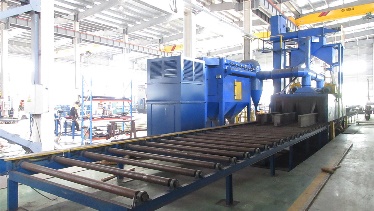
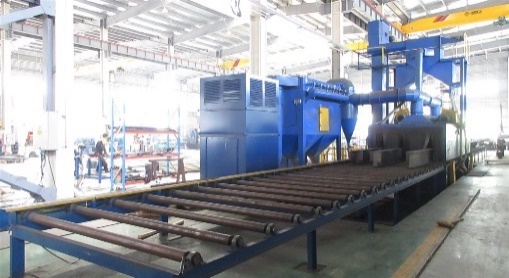
Our dual-treatment line integrates automated shot-blasting with high-adhesion thermoplastic powder coating. Tested for 500 hours under continuous salt spray, Ebil racking structures exhibit excellent corrosion resistance, critical for cold storage, deep-freeze environments, and high-humidity maritime facilities globally.
Designing a warehouse layout requires balancing access speed against maximum spatial utilization. The table below represents a core technical selection framework based on global warehouse design standards.
| Racking Architecture Type | Space Optimization (%) | Selectivity (SKU Access) | Ideal Material Flow Method | Optimal Application Scenario |
|---|---|---|---|---|
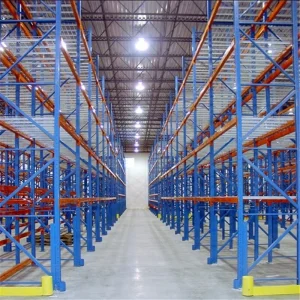
| Selective Pallet Racking | Base Reference (40-50%) | 100% (Direct Access) | FIFO (First-In, First-Out) | High SKU variety, lower volume per SKU |
| Double-Deep Pallet Racking | + 30% Space Savings | 50% (Semi-Direct Access) | LIFO (Last-In, First-Out) | Medium SKU volume, cold storage buffers |
| Drive-In Racking Systems | + 60% Space Savings | 20-30% (Lane Access) | LIFO / FIFO configurations | Bulk storage, homogenous goods, FMCG storage |
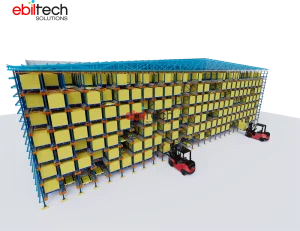
| Radio Shuttle Racking | + 80% Space Savings | High (Lane Selective) | FIFO or LIFO compatible | High-throughput cold chain, beverage distribution |
| AS/RS (Automated Storage/Retrieval) | + 120% Space Savings | 100% Automated Access | Software Optimized Flow | E-commerce fulfillment hubs, 24/7 dark warehouses |
Key Structural Compliance Tip: All Ebil racking structures comply strictly with RMI (Rack Manufacturers Institute) guidelines in the US and the European EN 15512 structural design code. Compliance guarantees that calculations for seismic resistance, frame buckling limits, and beam deflection under full loads are scientifically sound.
How regional logistics operations adapt warehouse racking structures to local environmental challenges and unique industry constraints.
Operating temperature in cold storage facilities can drop as low as -30°C. Energy costs to maintain these spaces are incredibly high, which demands extreme cube utilization. Ebil's Radio Shuttle Racking and VNA (Very Narrow Aisle) systems are optimized for thermal density. Our structural steel is formulated to prevent low-temperature steel embrittlement, ensuring safety under extreme load fluctuations in freezing conditions.
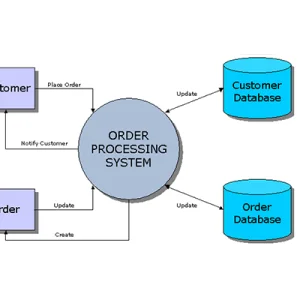
E-commerce demands multi-tier picking structures and dynamic SKU distribution. Mezzanine storage floor integration and high-bay long-span shelving increase vertical storage capacity by over 100%. Utilizing Ebil's proprietary Order Processing System (OPS Software), the racking layout directly communicates with local WMS (Warehouse Management System) structures to minimize travel distances for human order pickers and sorting robots.
Procuring industrial equipment internationally requires clear quality management frameworks and optimized logistics structures to ensure real-world success.
Standard rack specifications do not fit custom facility layouts. Ebil provides detailed CAD/3D designs and finite element structural calculations within 48 hours. Our engineering team designs baseplates, upright profiles, and beam connectors custom-designed for local floor concrete capacities and regional seismic ratings.
Long-distance ocean transport presents risk of structural damage or exposure to moisture. Ebil uses high-quality nesting frames and moisture-resistant shrink wraps to package upright columns and horizontal beams. This packaging prevents bending or scraping during transport, minimizing container footprint to reduce shipping costs.
Improper installation is a primary cause of structural warehouse failures. Ebil provides detailed installation manuals, engineering drawings, and video guidance. For large-scale integration projects, our team coordinates with local mechanical assembly partners and provides remote support from specialized project engineers.
Answers to common structural engineering, steel quality, and automated integration questions from global operations managers.
High-Capacity Steel Racks, Mesh Containers, and Heavy-Duty Dynamic Pallet Rails
 Ebil Metal