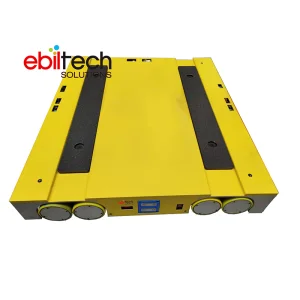
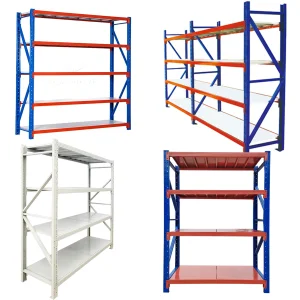
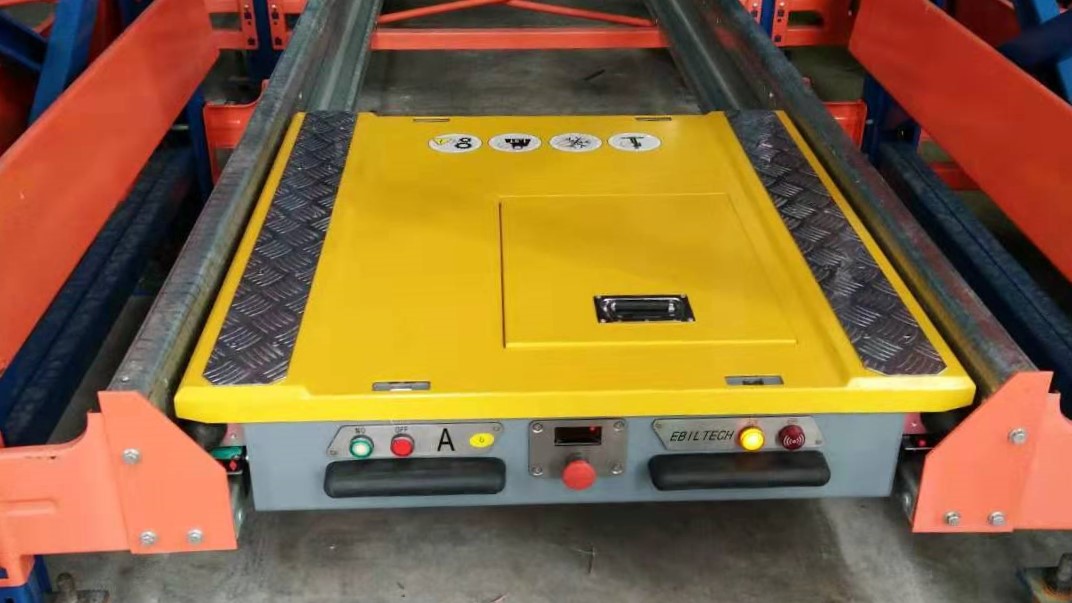
Discover Ebil's flagship robotic shuttle systems, automated storage retrieval structures, and customizable heavy-duty warehousing configurations.
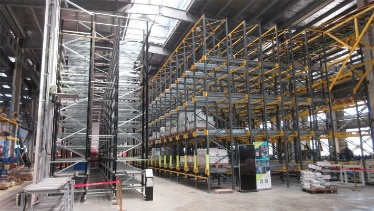
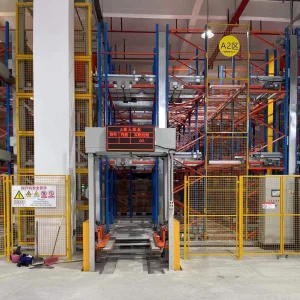
In modern mega-scale logistics and warehouse engineering, the concept of Aerodynamic Racks has transitioned from an advanced fluid dynamics project to a mainstream structural necessity. Aerodynamic racks are engineered systems designed to address structural airflow dynamics, wind load mitigation in rack-supported clad buildings (ASRS), and thermal efficiency optimization in temperature-controlled spaces (cold chains, pharmaceutical storage, and battery gigafactories).
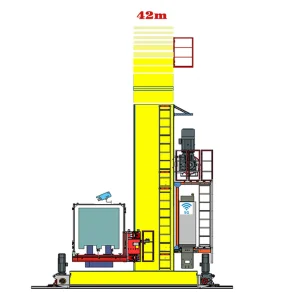
Globally, as high-bay warehouses rise upwards of 40 meters, traditional structural dynamics fail to calculate the sheer force of wind pressure, air stagnation, and thermal distribution layers. High-density storage racks act as giant solid obstructions to air movement, causing massive refrigeration energy waste in cold storage or, worse, dynamic shear failures in outdoor self-supporting clad structures during peak wind events. The design of aerodynamic industrial racks leverages computational fluid dynamics (CFD) to craft structural members (uprights, beams, and bracing profiles) with reduced drag coefficients ($C_d$). This architectural design ensures optimum horizontal and vertical wind transparency, maintaining structural safety and lowering spatial cooling loads by up to 28%.
The global warehousing market is navigating a significant shift defined by high energy costs, rapid automation via Autonomous Mobile Robots (AMRs) and Automated Storage and Retrieval Systems (ASRS), and strict decarbonization mandates.
To craft structural systems capable of handling multi-ton static and dynamic loads under adverse thermodynamic conditions, Ebil operates a rigorous technical development lifecycle.
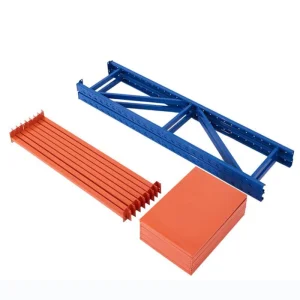
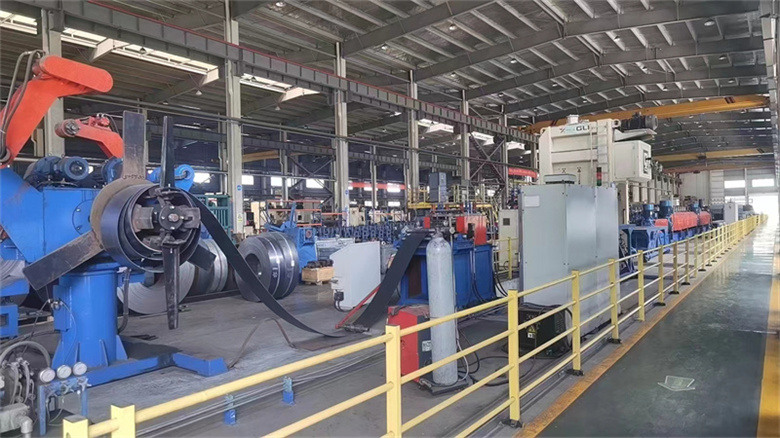
Our design roadmap prioritizes weight-to-strength optimizations. The integration of cold roll forming technology allows for complex upright geometry profiles. These profiles optimize physical material usage while engineering aerodynamic channels that reduce drag and improve horizontal and transverse airflow permeability.
| Physical Dimension & Performance Index | Standard Heavy-Duty Pallet Racking | ASRS-Integrated Aerodynamic Racks |
|---|---|---|
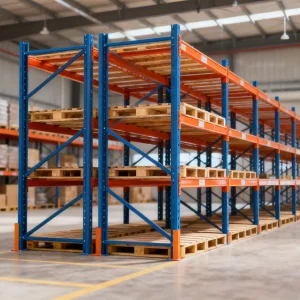
| Drag Coefficient ($C_d$ Profile) | High (solid profile obstruction, 1.8 - 2.1) | Low (slotted/ventilated profiles, 1.1 - 1.3) |
| Thermal Permeability Index | Poor (creates warm air traps in high-bay zones) | Excellent (uniform microclimate circulation) |
| Aerodynamic HVAC Saving | Base Level (standard air conditioning loads) | Up to 28% reduction in fan/chiller consumption |
| Surface Finish & Corrosion Protection | Basic Powder Coating | Multi-phase Zinc Galvanization + Outdoor Powder Coating |
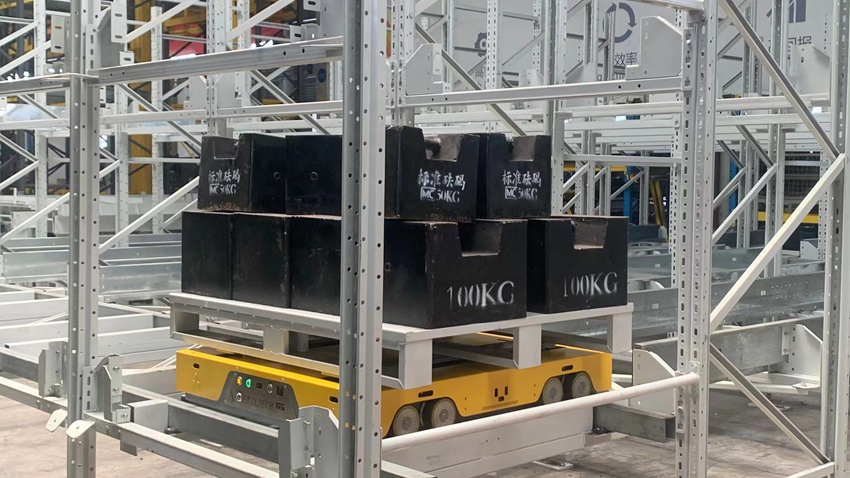
| Robotic Integration Tolerance | Standard Dynamic Loads (±1.5mm deflection) | High-Precision Tolerances (±0.5mm deflection for shuttle tracks) |
The commercial value of Aerodynamic Racks lies in their specialized deployment across diverse industrial fields.
In high-density cold storage, energy consumption represents over 60% of operating expenses. Ebil’s custom aerodynamic rack structures facilitate smooth air transitions, decreasing compressor strain and avoiding localized heat bubbles that threaten perishable product freshness.
Clad-rack buildings constructed near typhons or sandstorm-prone coastal zones depend on wind-load minimization. Our custom OEM designs reduce the wind cross-section, transferring stress safely to structural concrete foundations and ensuring continuous operation in extreme climates.
EV batteries during testing and storage run risks of thermal runaway. Aerodynamic storage racking enables precise mechanical ventilation, providing consistent airflow straight to each individual cell-tray module and integrating with emergency automated safety systems.
Guangdong Ebil Metal Products Co., Ltd. is a professional manufacturer specializing in industrial storage systems and warehouse racking solutions. We design, manufacture, and supply high-quality shelving and storage equipment for warehouses, distribution centers, factories, retail stores, logistics companies, and commercial facilities worldwide.
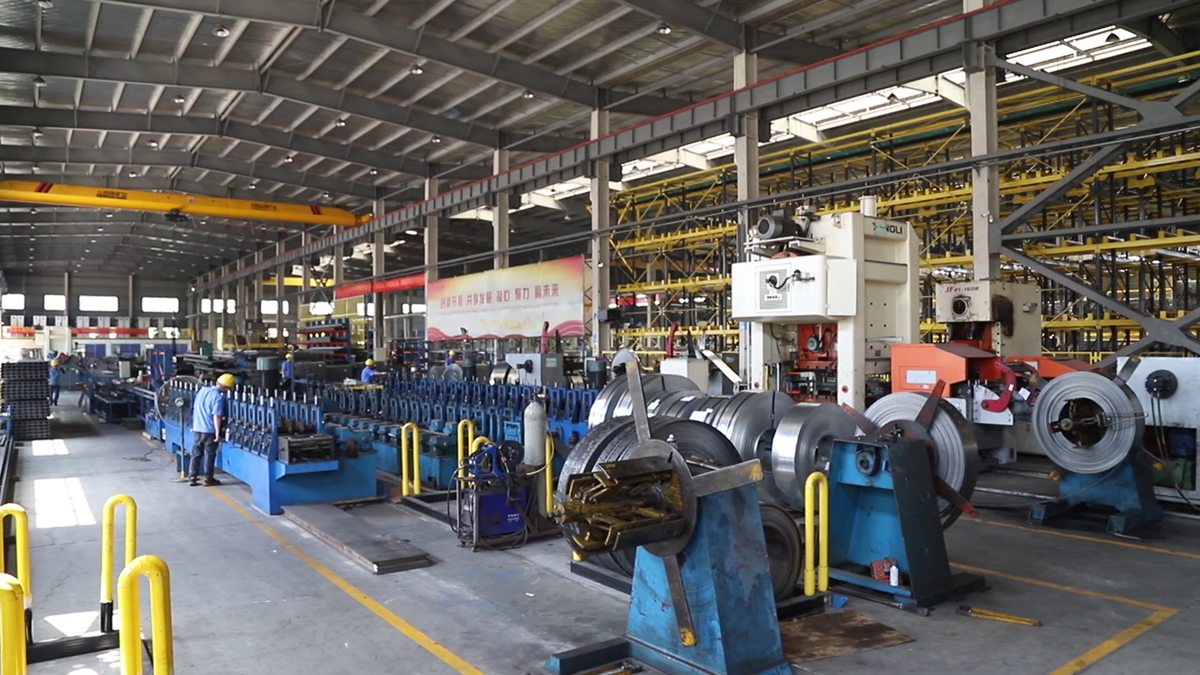
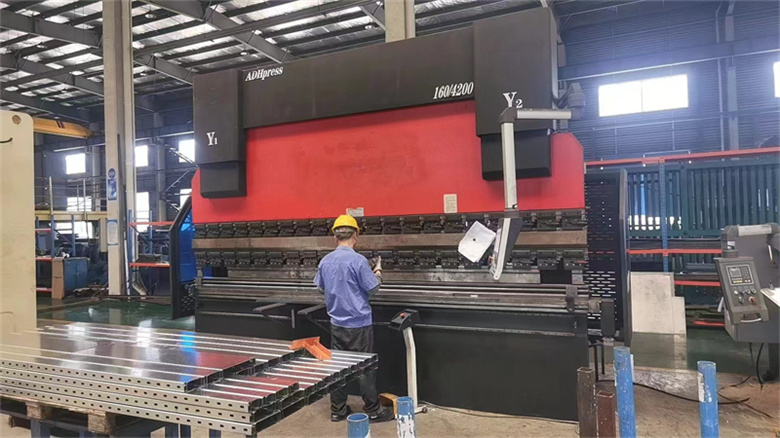
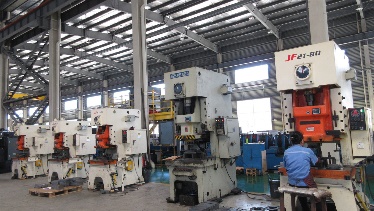
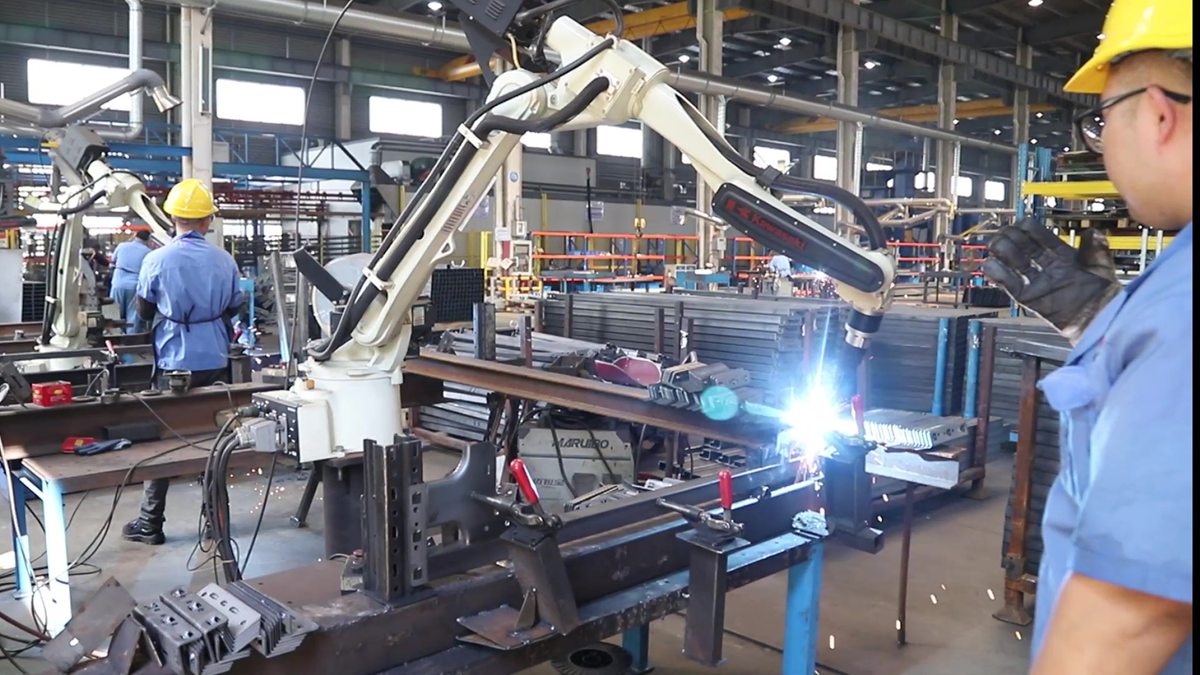
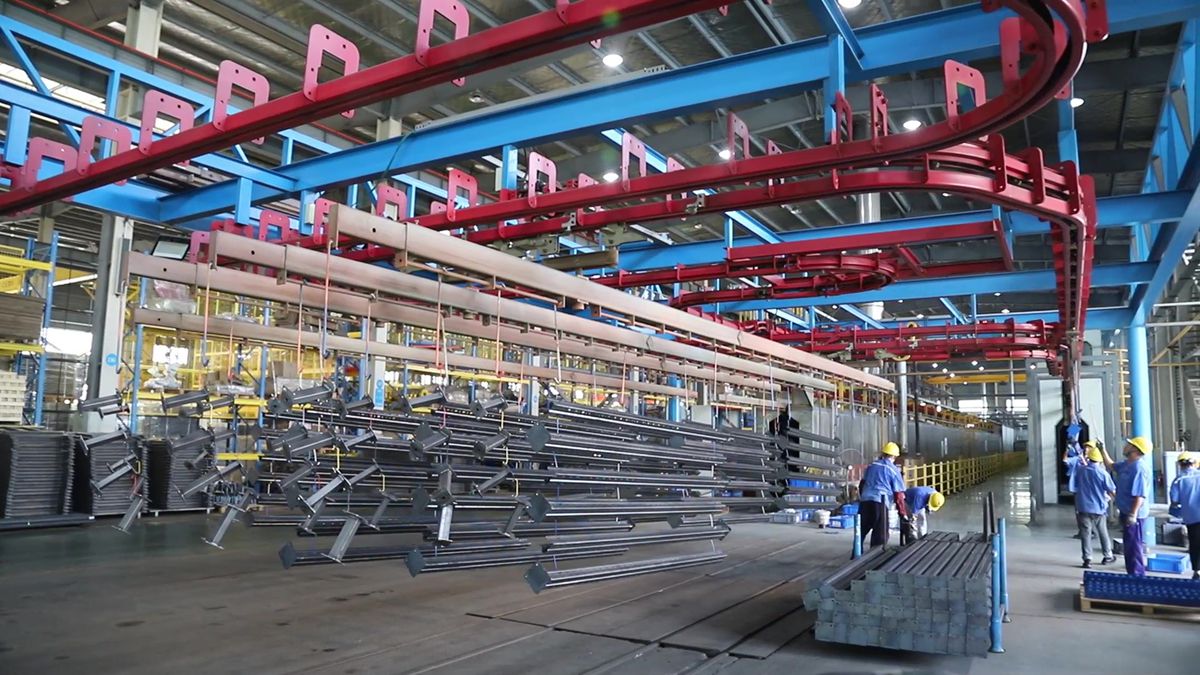
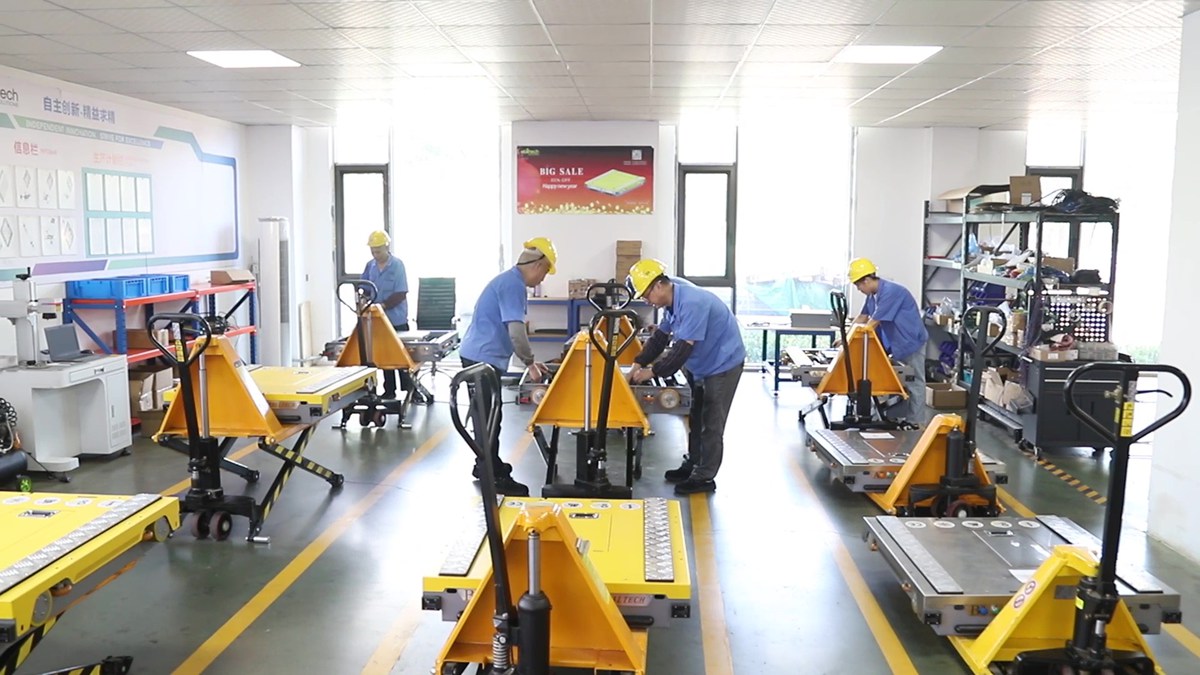
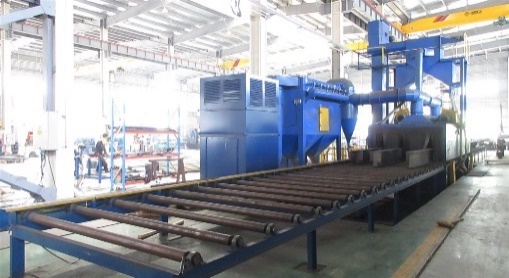
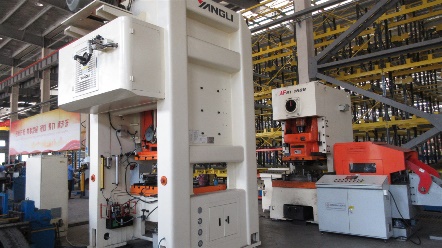
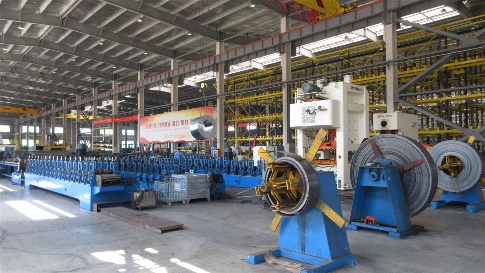
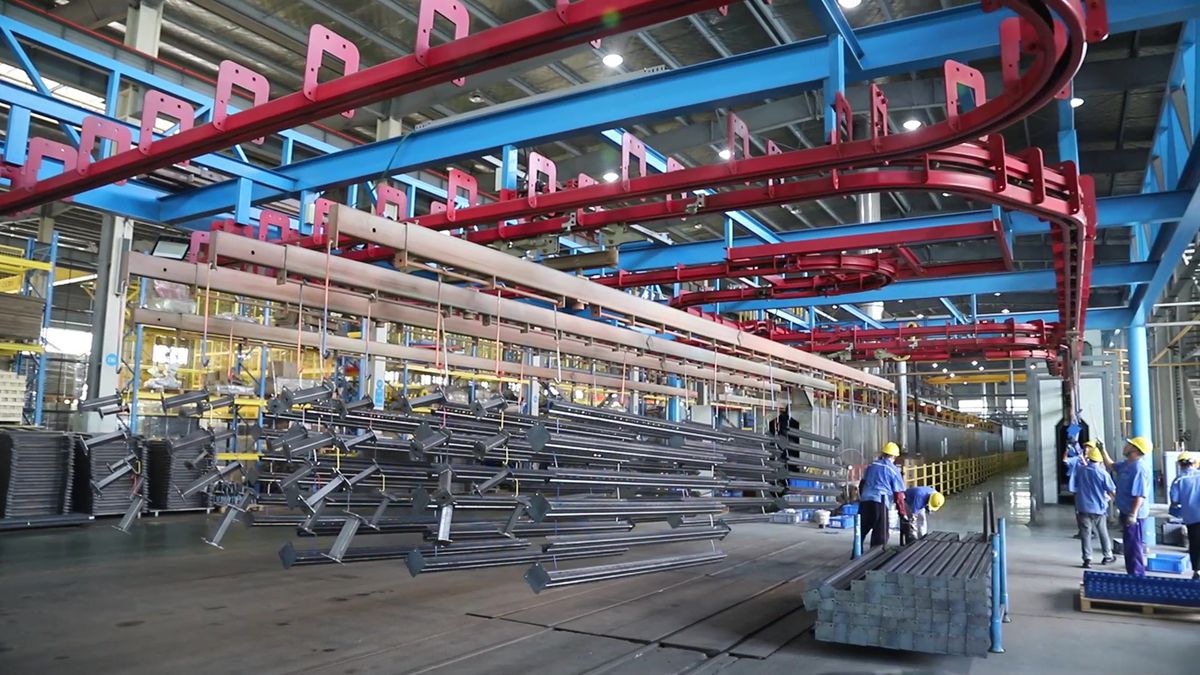
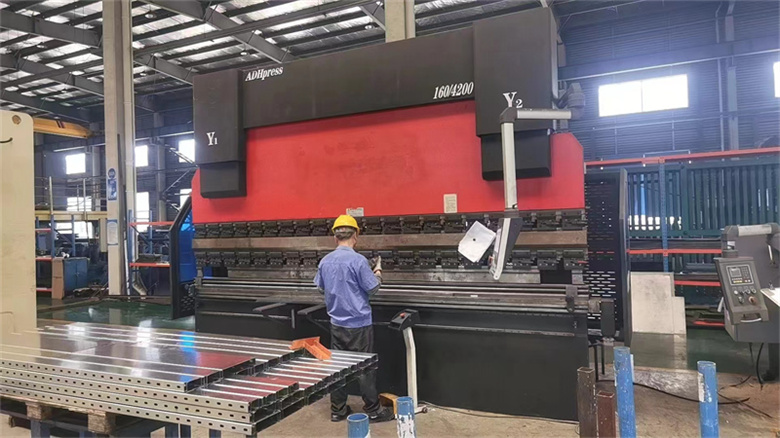
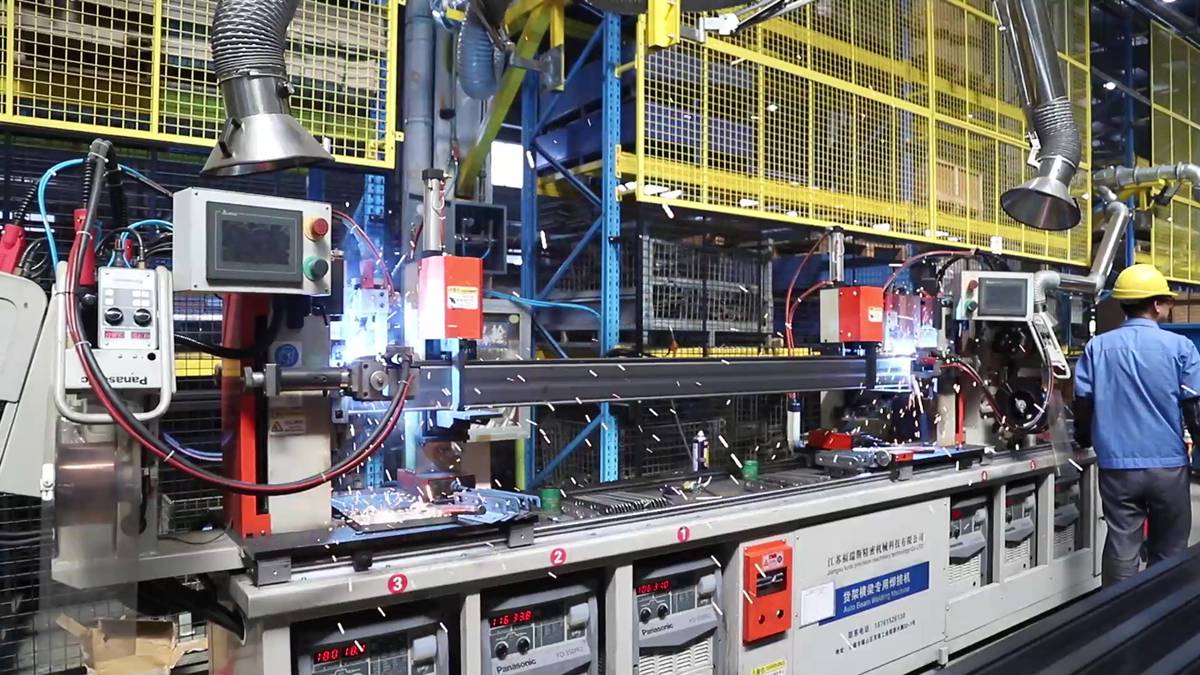
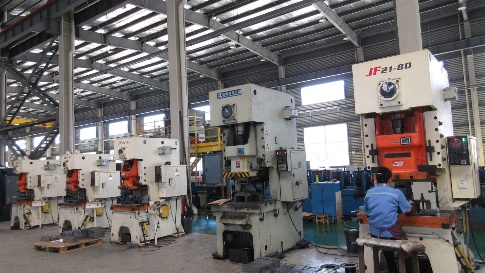
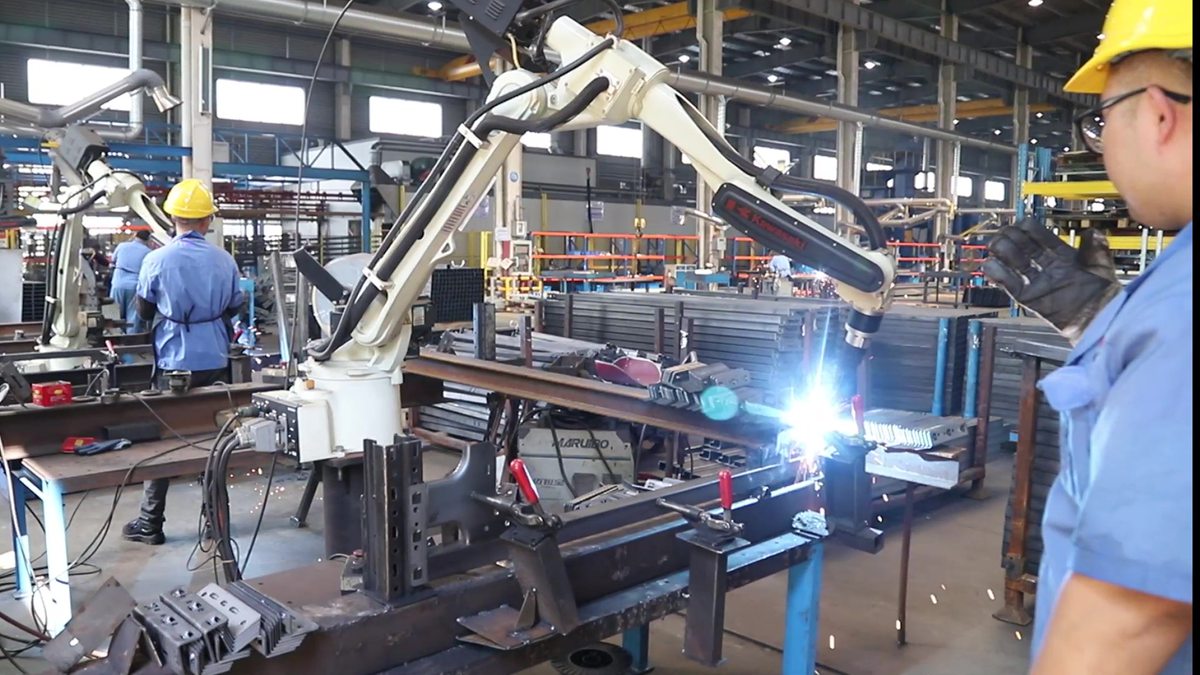
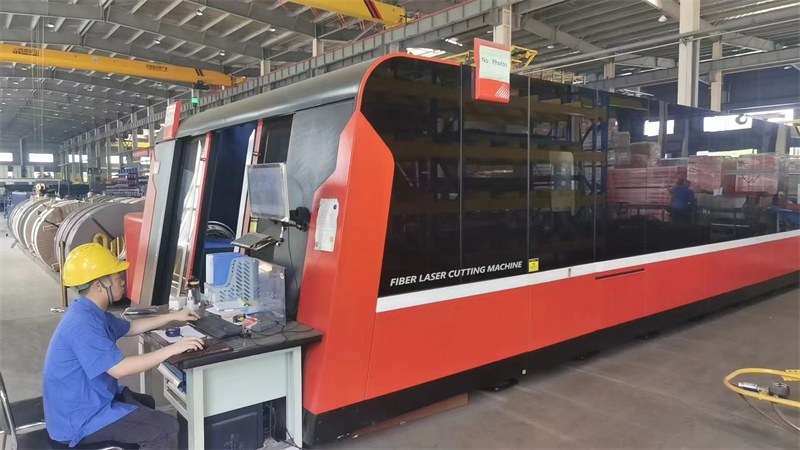
Established in 2017, Ebil has grown into a modern manufacturing enterprise with a 26,800 m² production facility equipped with advanced automatic roll forming lines, robotic welding systems, CNC processing equipment, and powder coating production lines. Our experienced engineering and production teams enable us to deliver reliable, durable, and cost-effective storage solutions that meet international quality standards.
With over 12 years of industry experience and 8 years of export experience, Ebil has successfully served customers in more than 60 countries across North America, Europe, Southeast Asia, the Middle East, and Oceania. Our annual export revenue exceeds US$18 million, supported by long-term cooperation with more than 980 supply chain partners.
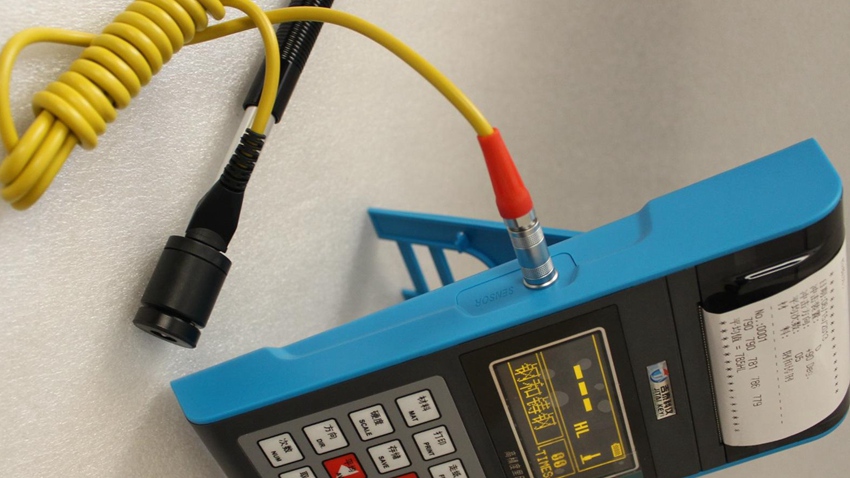
Quality is the foundation of our business. Every product undergoes comprehensive inspections, including load capacity testing, dimensional inspection, coating adhesion testing, and salt spray corrosion testing before shipment. Our quality control department consists of 56 professional inspectors, ensuring every project meets strict international requirements.
Innovation drives our continuous growth. Our dedicated R&D team includes 48 experienced engineers, and we launch approximately 96 new products every year to satisfy changing market demands. We provide comprehensive OEM & ODM customization, including customized dimensions, load capacities, colors, structural designs, packaging, and branding services.
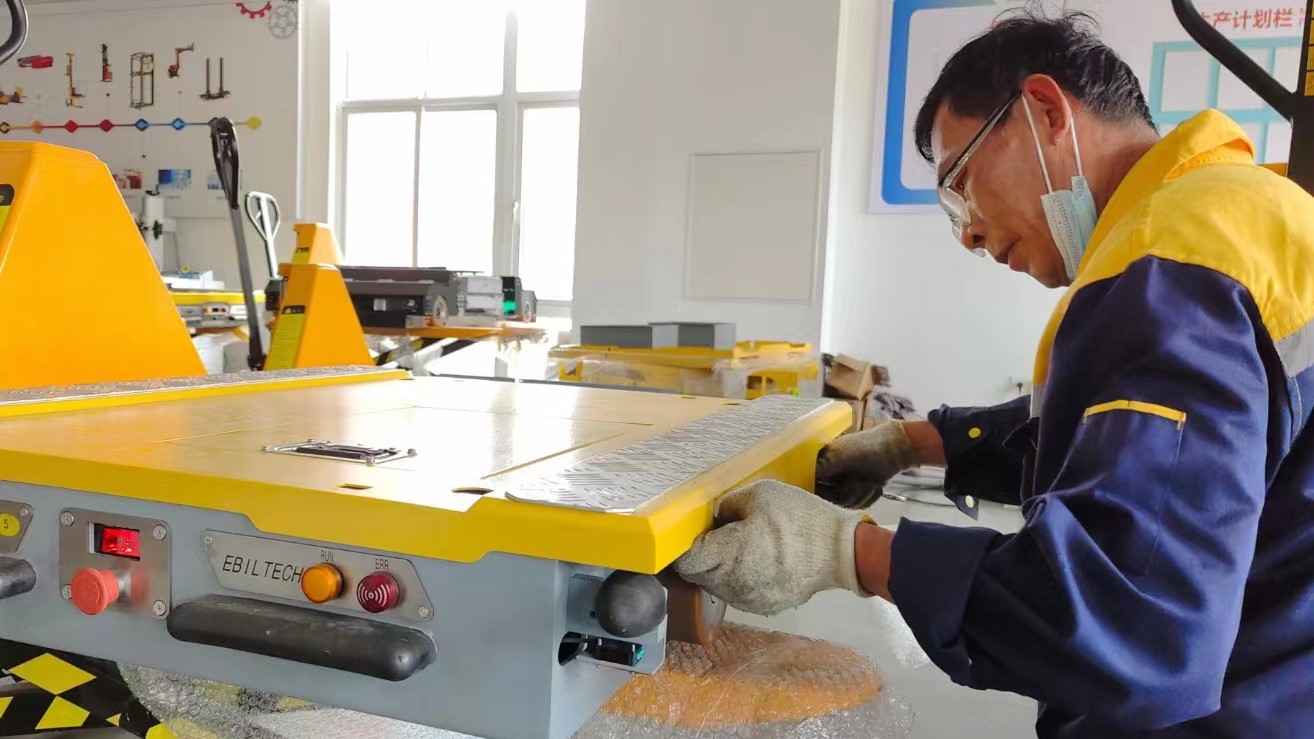
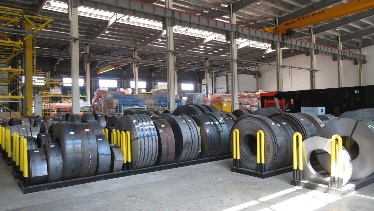
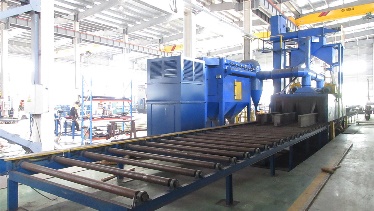
Ebil leverages smart automation, advanced metallurgical processing, and strict testing protocols to guarantee structural integrity.
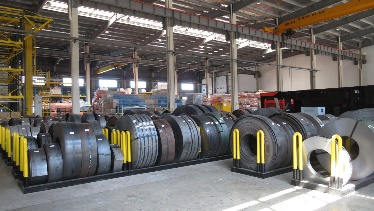
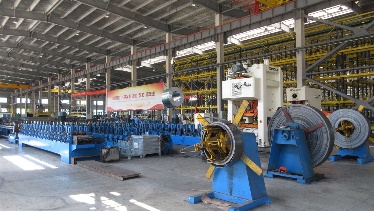
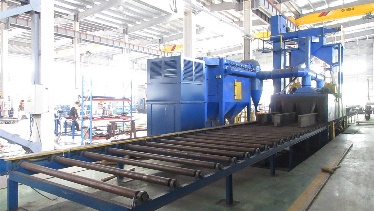
Technical expertise and structural design questions answered by Ebil’s head engineering team.
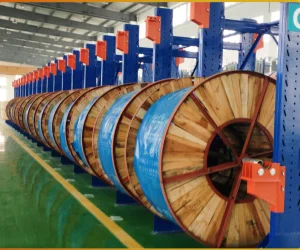
Browse through Ebil's AGV forklifts, high-density automated racks, custom tubular storage solutions, and cable drum systems.
 Ebil Metal