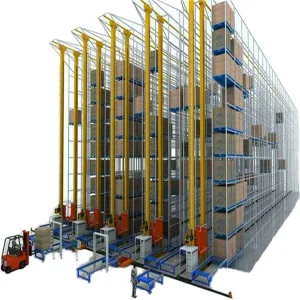
In the modern era of global logistics, Load Management is no longer just about stacking boxes. It is a complex engineering discipline that integrates structural integrity, space utilization, and automated throughput. As a premier China Load Management Supplier, Guangdong Ebil Metal Products Co., Ltd. defines excellence through "Information Gain"—providing not just equipment, but a data-driven approach to warehousing.
Effective load management addresses the critical bottleneck of "Supply Chain Inertia." By leveraging high-density storage and automated retrieval, enterprises can reduce operational overhead by up to 40% while ensuring 100% SKU traceability. This section explores how Ebil Metal transitions from traditional racking to AI-integrated storage ecosystems.
The global demand for automated load management is surging at a CAGR of 12.5%, driven by e-commerce expansion and land cost inflation in North America and Europe.
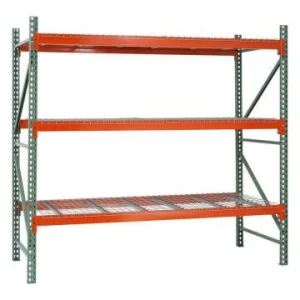
Our systems utilize cold-rolled steel with high yield strength, ensuring safety factors that exceed RMI and FEM international standards for seismic resilience.
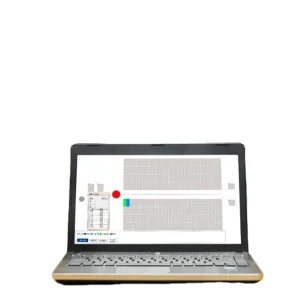
The future lies in "Autonomous Load Optimization" where WMS systems predict shelf-life and weight distribution to auto-reorganize warehouse layouts via robotics.
Guangdong Ebil Metal Products Co., Ltd. is a professional manufacturer specializing in industrial storage systems and warehouse racking solutions. We design, manufacture, and supply high-quality shelving and storage equipment for warehouses, distribution centers, factories, retail stores, logistics companies, and commercial facilities worldwide.
Established in 2017, Ebil has grown into a modern manufacturing enterprise with a 26,800 m² production facility equipped with advanced automatic roll forming lines, robotic welding systems, CNC processing equipment, and powder coating production lines. Our experienced engineering and production teams enable us to deliver reliable, durable, and cost-effective storage solutions that meet international quality standards.
Years Experience
Countries Served
Annual Exports
Supply Partners
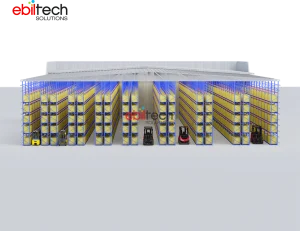
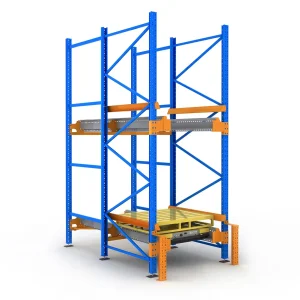
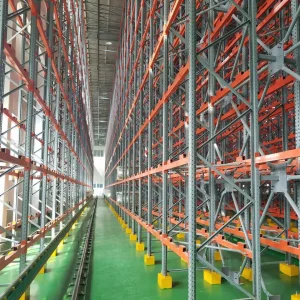
High-density radio shuttle racks are optimized for -30°C environments in SE Asia and Northern Europe, preventing steel embrittlement and maximizing refrigerated volume.
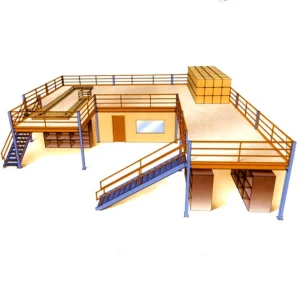
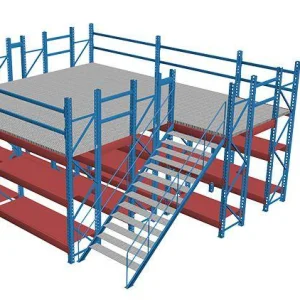
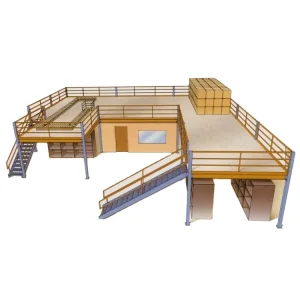
Multi-tier mezzanine systems designed for high-frequency picking in urban centers, allowing for 3x more SKUs per square meter.
Custom cantilever racks for the Middle East oil & gas sector, handling over-sized pipes and components with extreme weight capacities.
Our supply chain efficiency is built on a 980-partner ecosystem, ensuring raw material stability even during global fluctuations. Below is our vertically integrated production process:
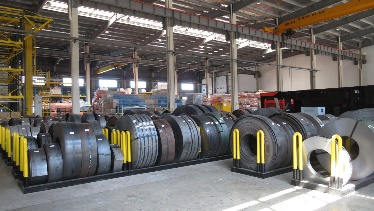
Raw Material Management
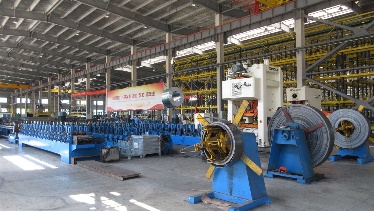
Cold Roll Forming
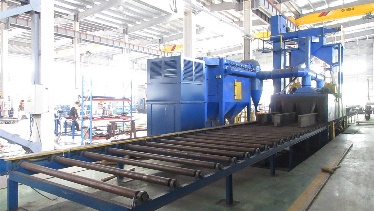
Surface Treatment
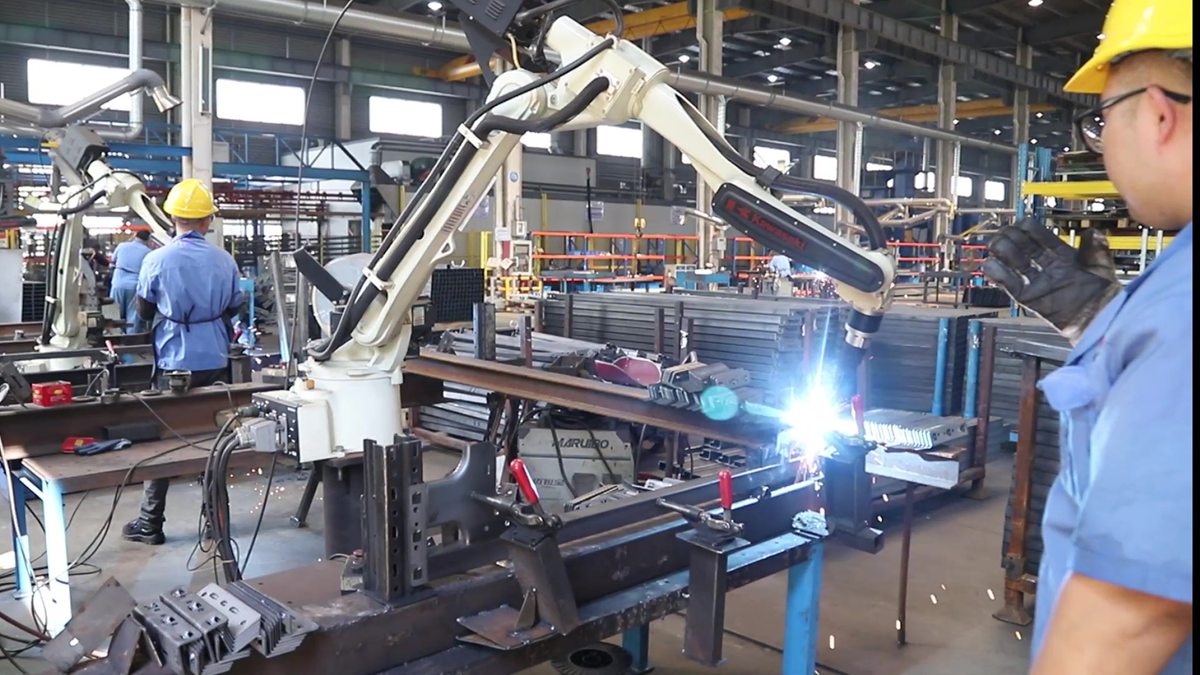
Robotic Precision Welding
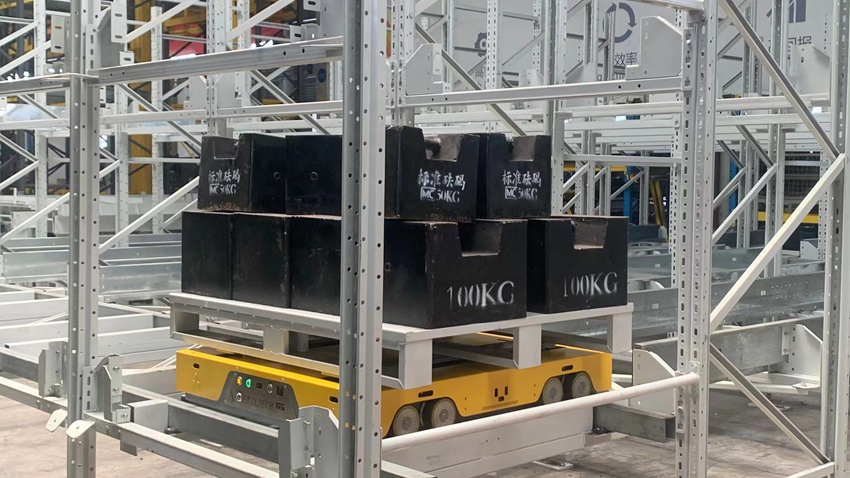
Load Bearing Testing
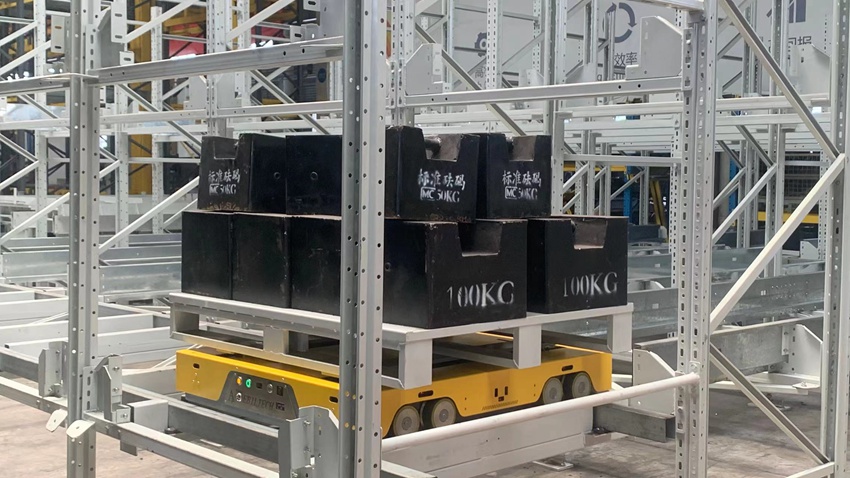
Load Bearing Tester
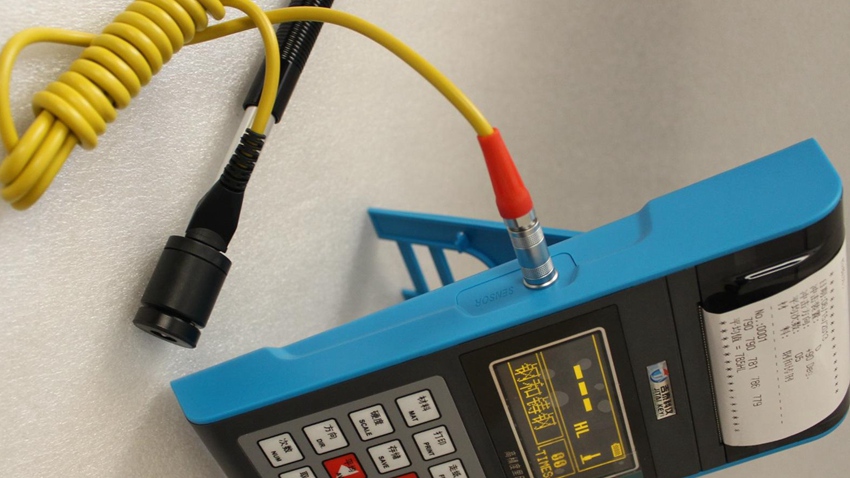
Hardness Inspection
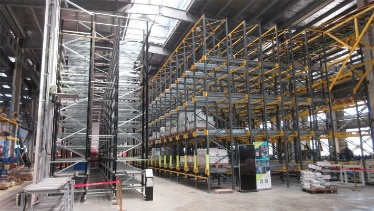
Finished QC Inspection
Quality is the foundation of our business. Every product undergoes comprehensive inspections, including load capacity testing, dimensional inspection, coating adhesion testing, and salt spray corrosion testing before shipment. Our quality control department consists of 56 professional inspectors, ensuring every project meets strict international requirements.
Innovation drives our continuous growth. Our dedicated R&D team includes 48 experienced engineers, and we launch approximately 96 new products every year to satisfy changing market demands. We provide comprehensive OEM & ODM customization.
Optimizing pallet spacing and vertical clearance for max volume.
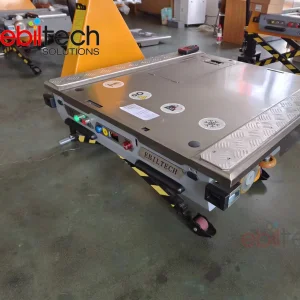
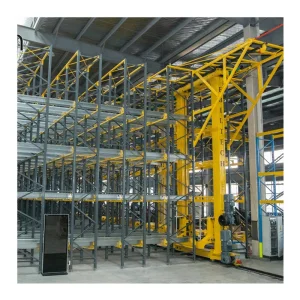
Integrating Radio Shuttle and AS/RS for 24/7 operations.
IoT-enabled racks that monitor real-time stress and load shifts.
CE, ISO 9001, and local structural certifications for all regions.
We combine 12 years of structural engineering experience with advanced AI-integrated WMS software. Our 26,800m² factory allows us to offer factory-direct pricing while maintaining CE-certified quality standards.
Yes, we design specifically for the seismic requirements of different regions, using FEA (Finite Element Analysis) to ensure structural stability during earthquakes.
We provide comprehensive installation manuals, video guidance, and for large-scale projects, we can dispatch engineering teams for on-site supervision and commissioning.
Depending on complexity, standard components take 4-6 weeks, while fully integrated automated systems typically require 12-16 weeks from design to shipment.
 Ebil Metal