Deploy advanced robotic cranes, radio shuttles, and heavy-duty steel structural racking systems engineered for high-throughput fulfillment.
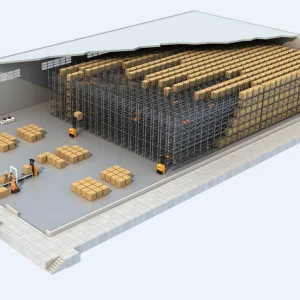
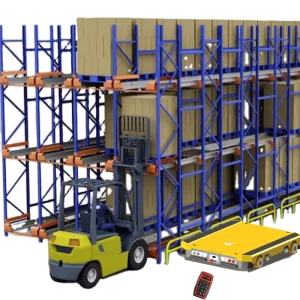
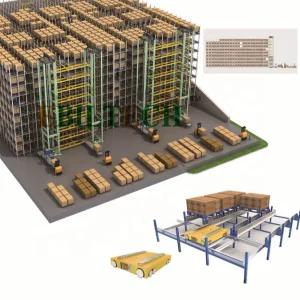
Navigating global supply chain volatility through structural efficiency, floor-space density maximizing, and robotic automation integration.
In the era of omni-channel fulfillment, instant logistics, and unpredictable supply chain demands, traditional warehousing models are facing unprecedented strains. Space is no longer merely a physical storage metric; it is a vital operational pivot point. Global warehousing dynamics show an aggressive move towards vertical cubing and high-density logistics architecture, driven by sky-rocketing land valuations and regional workforce shortages. Consequently, selecting an enterprise-grade racking supplier is no longer a localized purchasing choice—it is a critical infrastructural partnership.
Industrial optimization requires balancing traditional static systems with dynamic robotic integrations. High-Performance Automated Storage and Retrieval Systems (AS/RS), stacker cranes, and automated guided vehicles (AGVs) are replacing basic selective pallet systems. Manufacturers must engineer racking solutions that not only carry massive static loads but also maintain minimal deflection tolerances required for sub-millimeter precision robotics. A minor misalignment of 2mm can halt an entire stacker crane system. This level of precision demands state-of-the-art cold-rolling technology, structural finite element analysis, and strict adherence to global safety and loading codes.
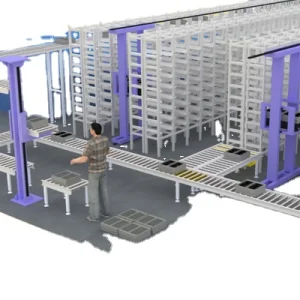
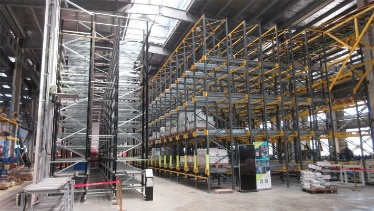
Maximize vertical warehouse cubes up to 40 meters high. High-density structures like radio shuttles and double-deep racking configurations triple the storage volume compared to basic configurations.
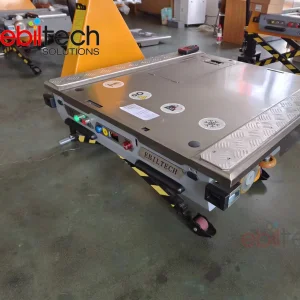
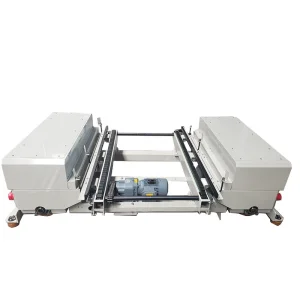
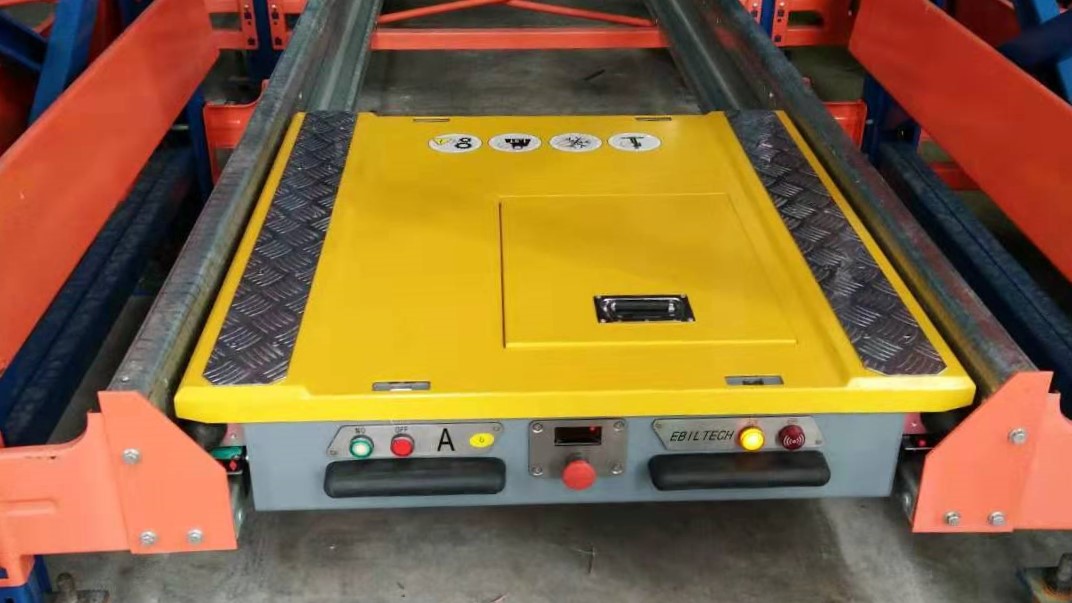
Perfect mechanical harmony between cold-rolled steel rails and automated machinery (RGVs, AMRs, Shuttle systems) with structural tolerance control within +/- 0.5mm.
Engineered using Q235B and Q355B structural steel grades. Solutions are seismically calculated to comply with global RMI and FEM European storage codes.
Professional OEM/ODM industrial racking and logistics storage automation system manufacturer.
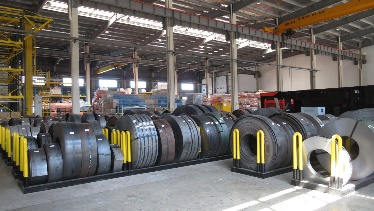
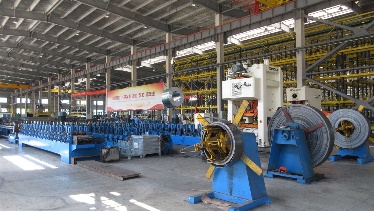
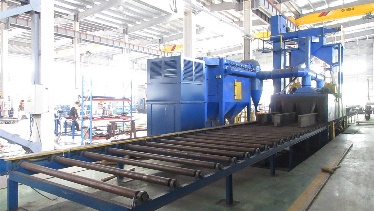
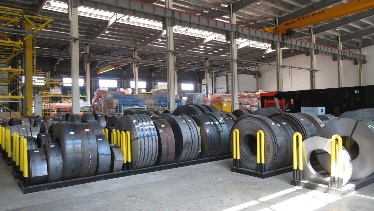
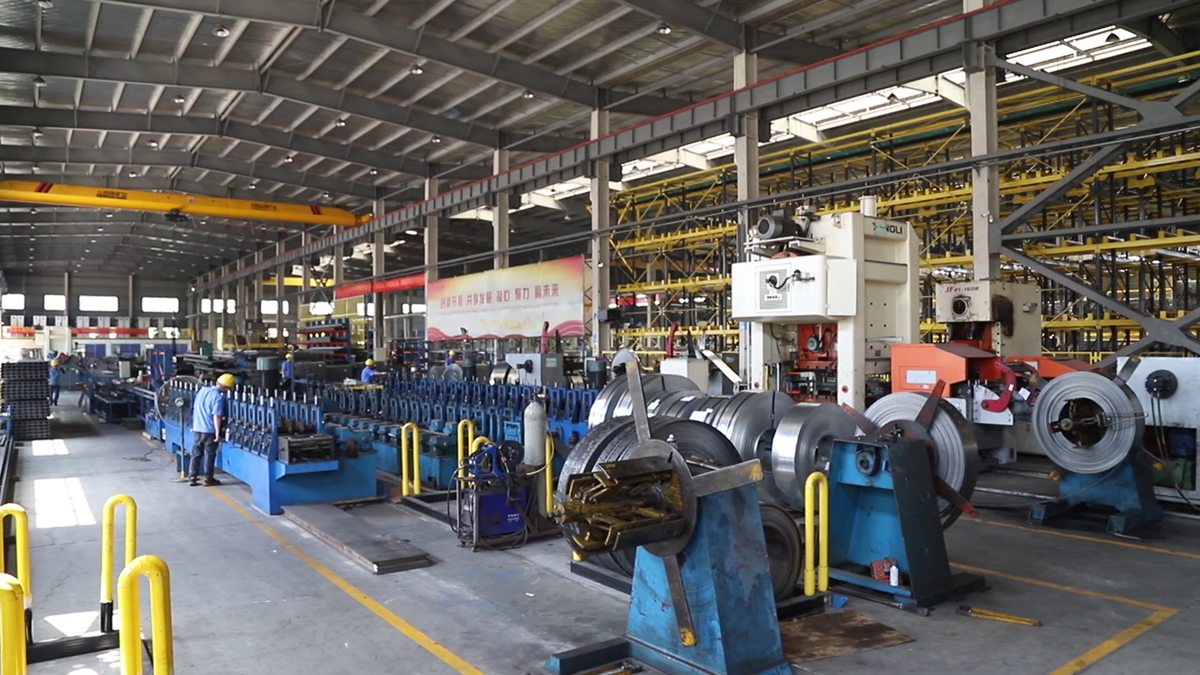
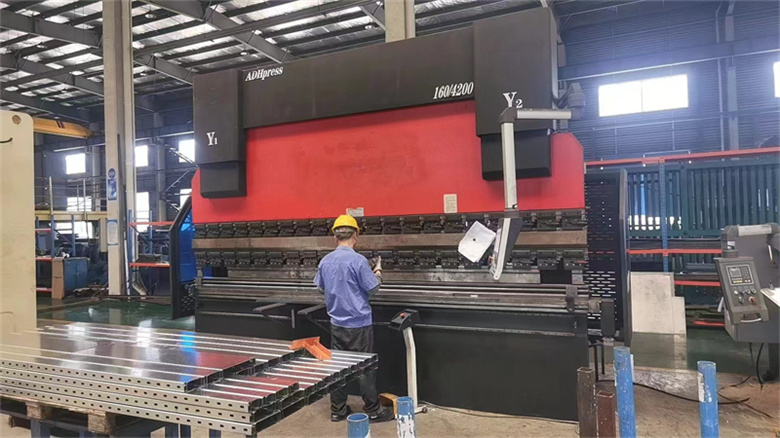
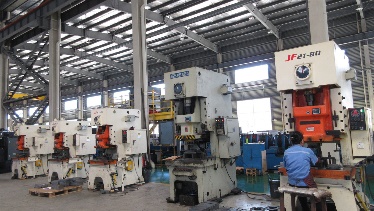
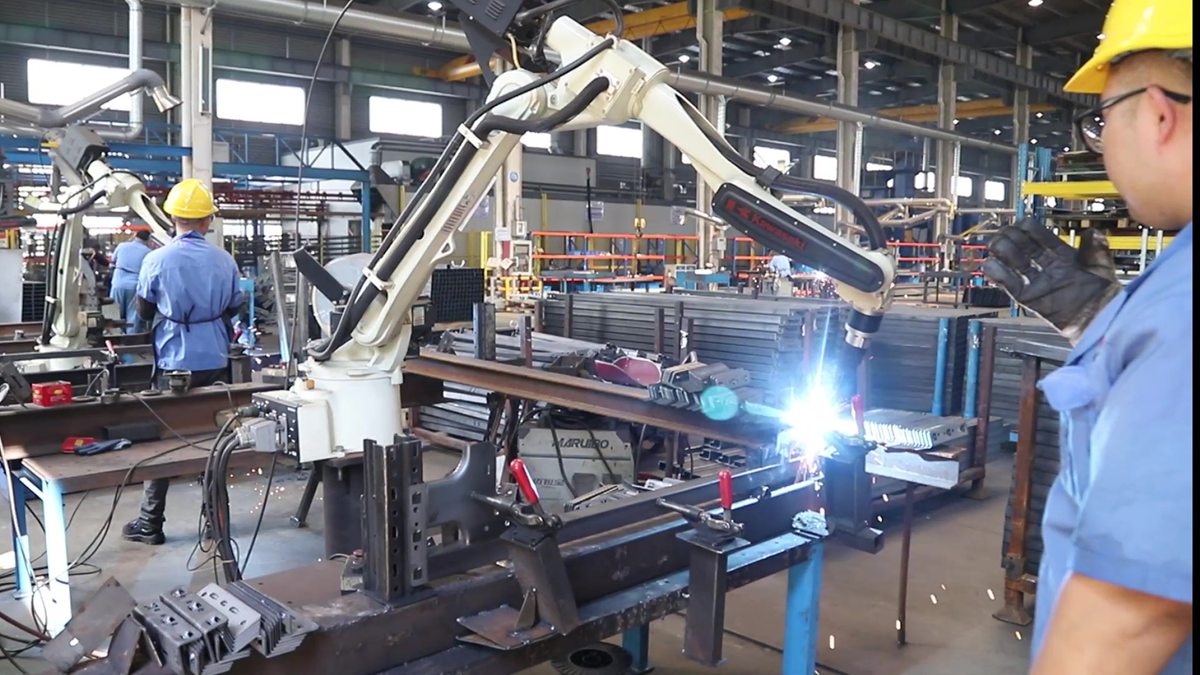
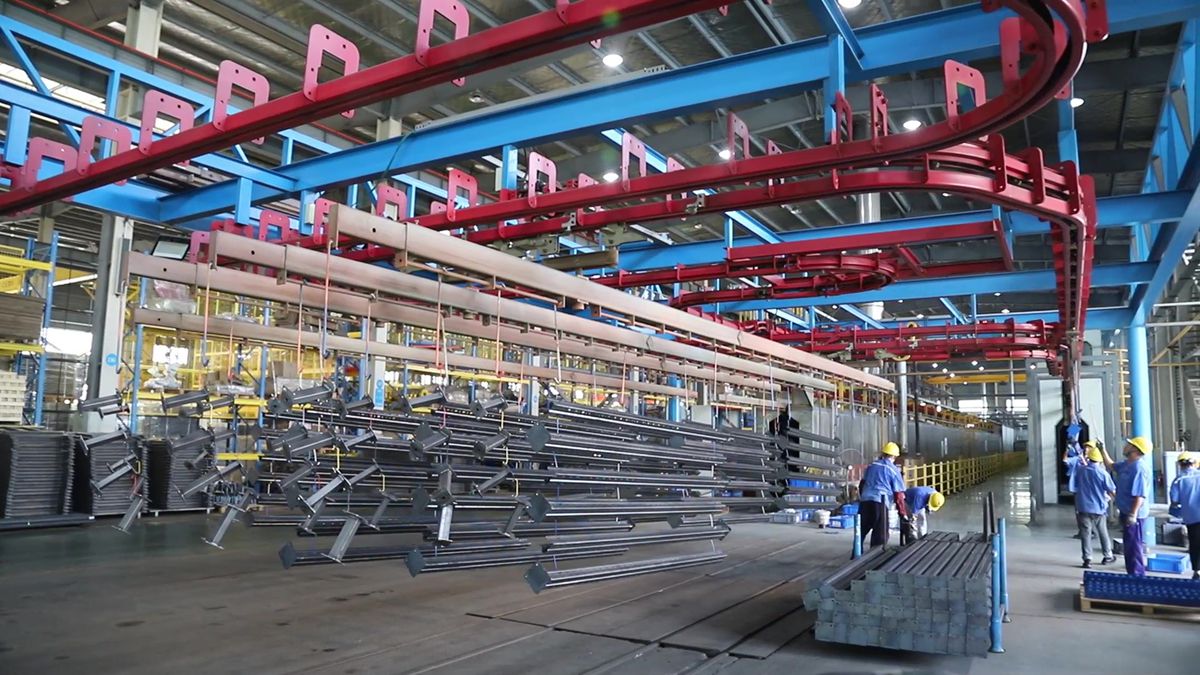
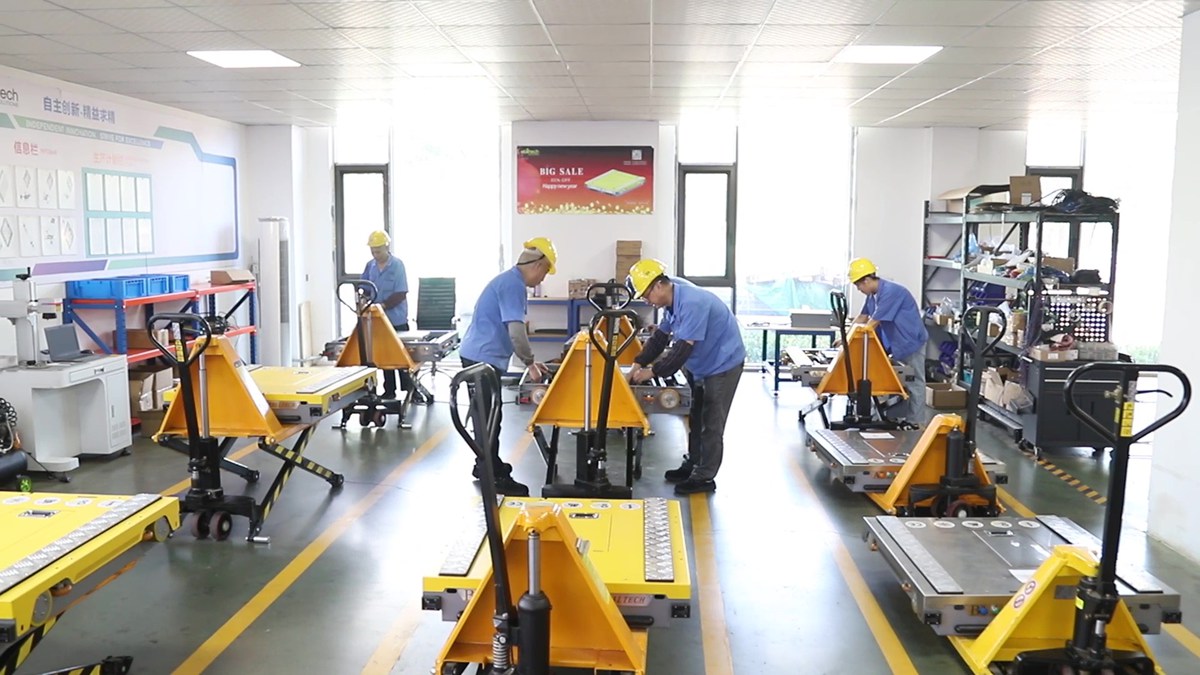
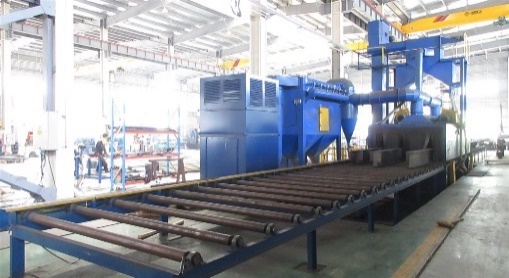
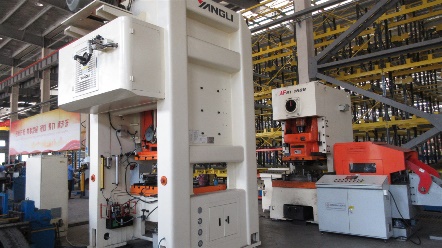
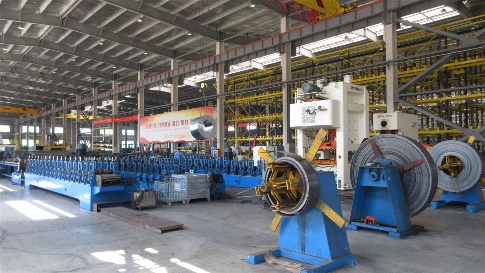
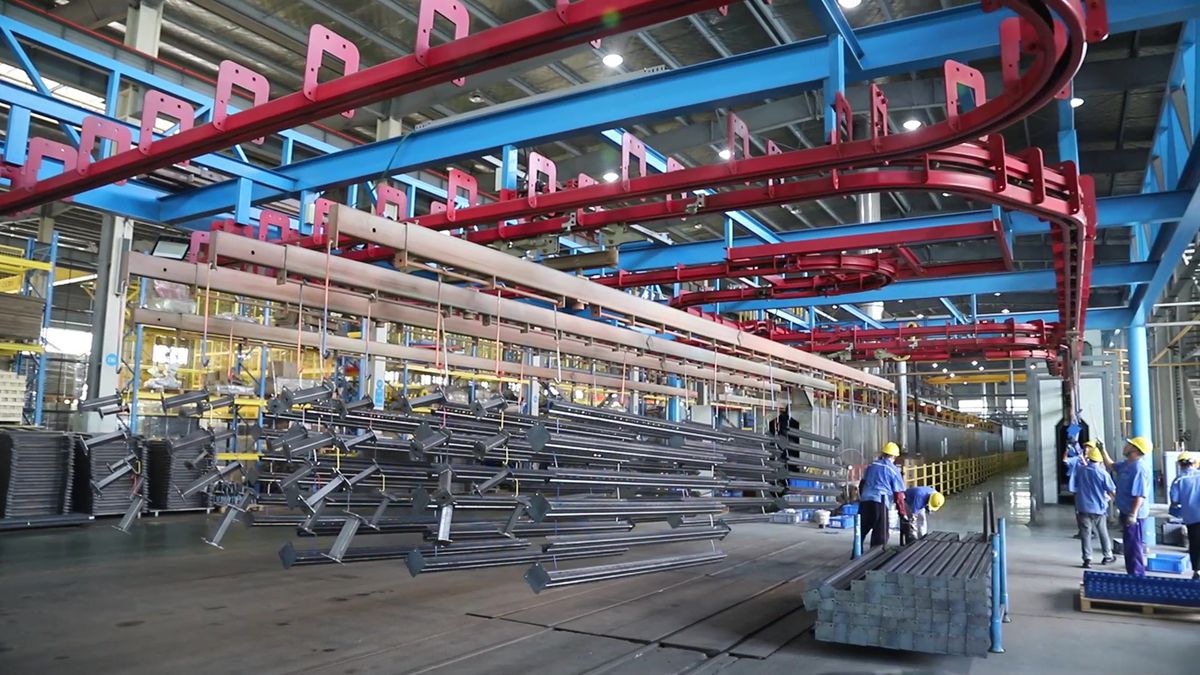
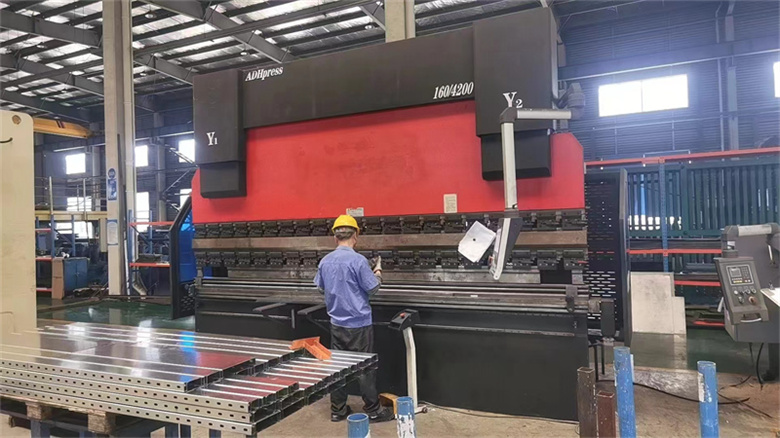
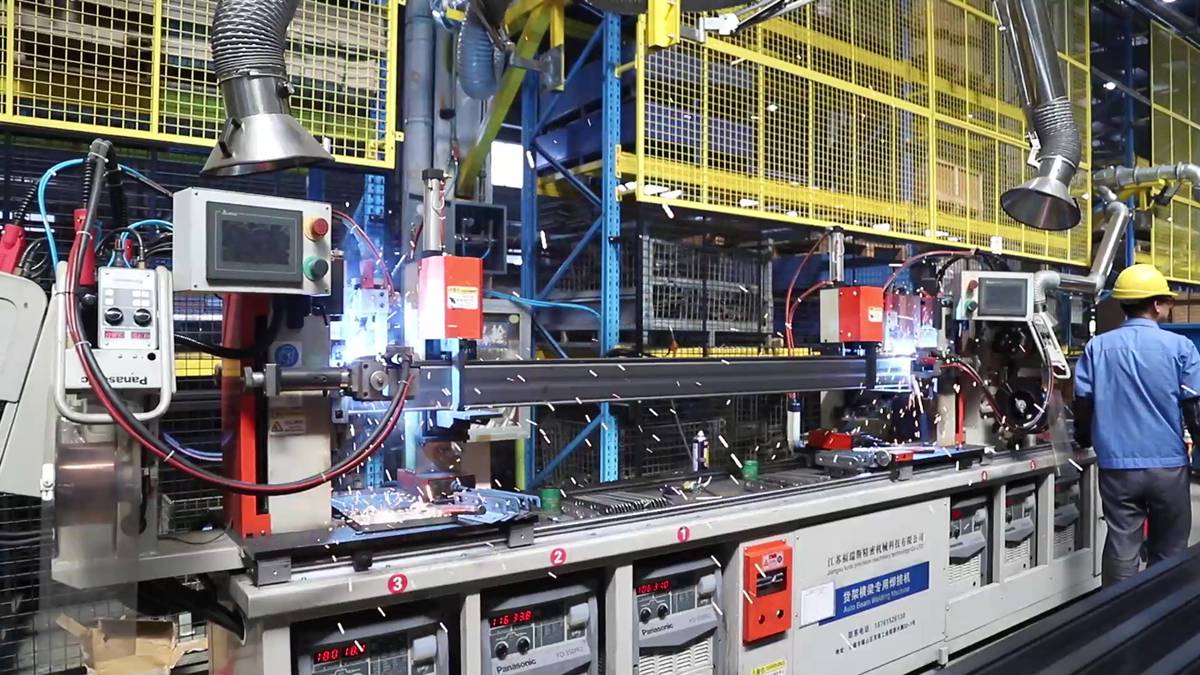
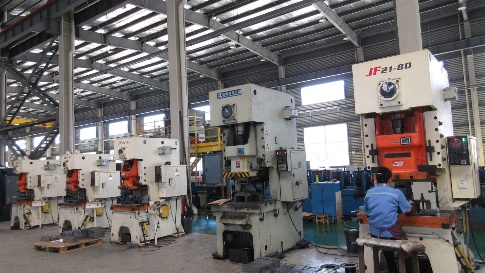
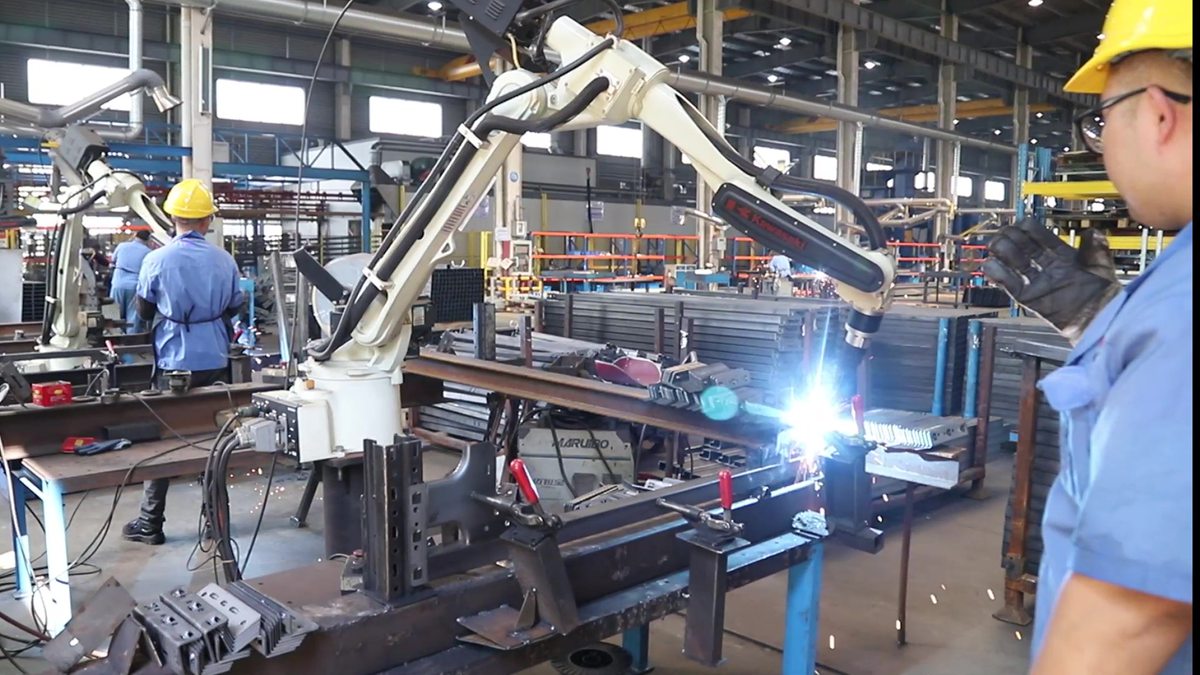
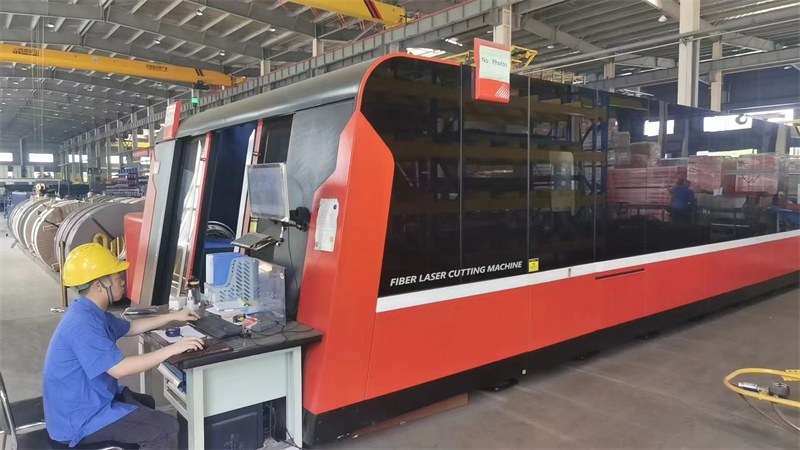
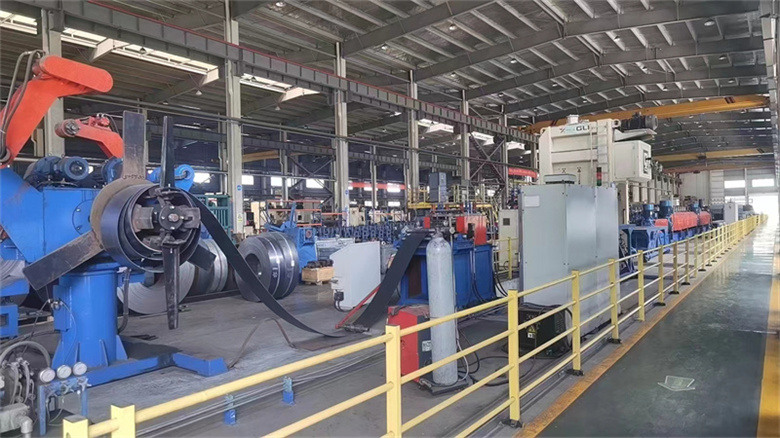
Established in 2017, Guangdong Ebil Metal Products Co., Ltd. has developed into a leading modern manufacturing facility focusing on heavy-duty storage racks and high-density AS/RS systems. Operating out of a massive 26,800 m² state-of-the-art facility, we integrate structural design, advanced automated manufacturing, and global delivery networks. Our high-precision lines include robotic welders, computerized cold roll forming equipment, and automated epoxy powder coating lines, yielding components with long-term wear, impact, and chemical resistance.
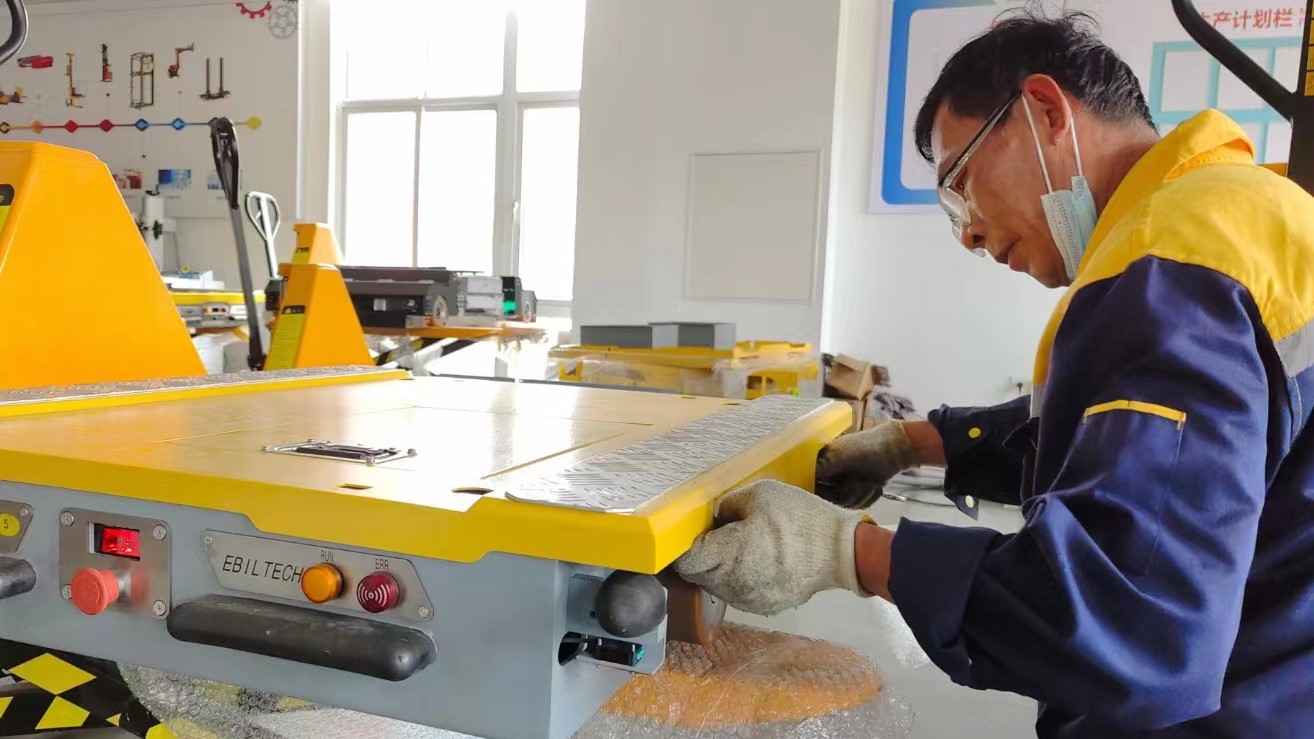
Ebil's technical team, including 48 experienced R&D engineers, works closely with logistics operators, global commercial contractors, and system integrators to build custom warehouse storage systems. With over 12 years of industry experience and 8 years of export operations, our storage structures have been installed in more than 60 countries, spanning North America, Europe, Southeast Asia, Oceania, and the Middle East. Rigorous quality assurance is managed by 56 professional inspectors, conducting physical tests on steel raw materials, load tolerances, and coating resistance.
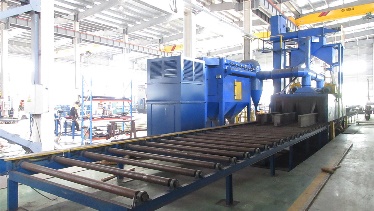
Every production stage is carefully monitored to maintain design compliance and mechanical performance standards.
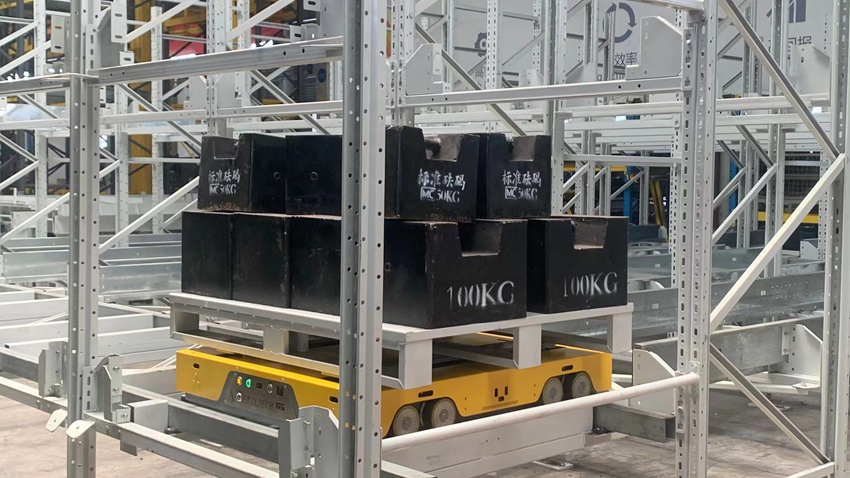
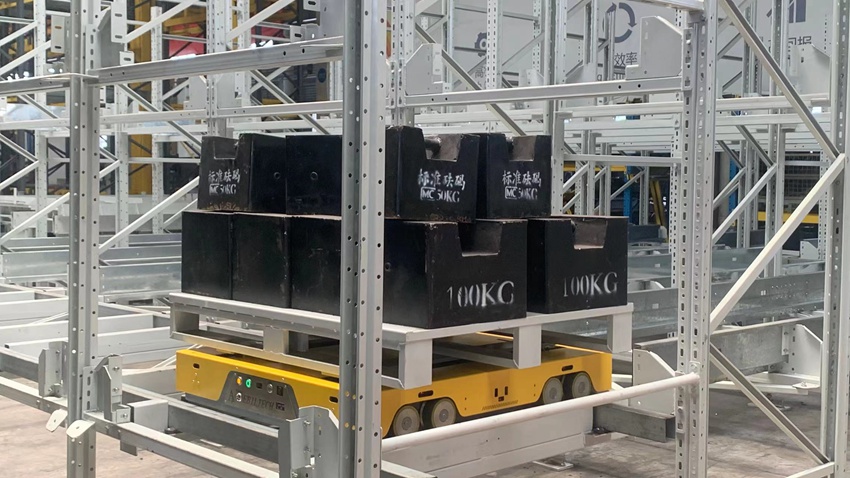
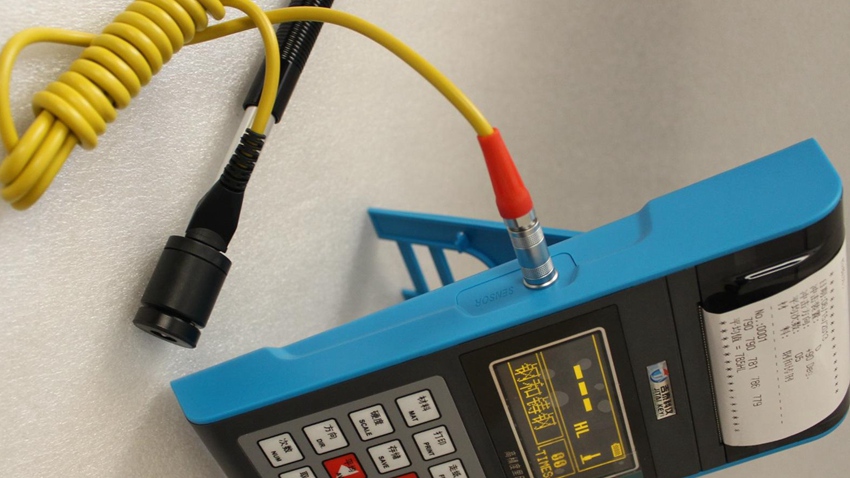
Custom engineering blueprints configured for regional supply chains, cold storage facilities, and heavy industrial operations.
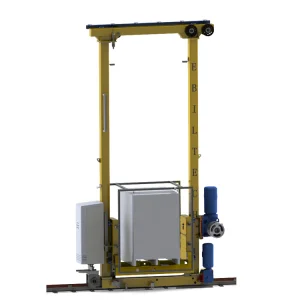
Designed for high-volume distributions requiring high throughput speeds. Our stacker cranes and RGV systems run on specialized steel profiles that support high-density storage and automated retrieval operations 24/7.
Cold store environments (-30°C) require structural steel that remains resilient against low-temperature embrittlement. Ebil processes specialized alloy steels coated with cold-durable finishes to prevent micro-fracturing under high structural stress.
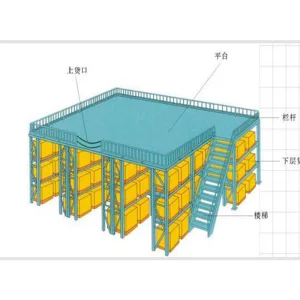
Double or triple your warehouse footprint with modular steel mezzanine floor structures. Designed with high-strength structural beams to support auxiliary offices, production lines, or additional manual picking configurations.
How local regulations, environmental factors, and labor dynamics shape warehousing requirements.
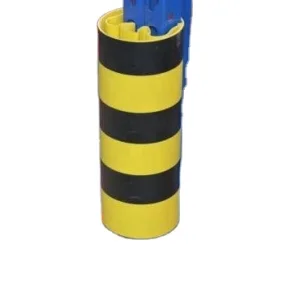
In North America, high labor costs and land scarcity drive operators to automate their facilities. Ebil designs warehouse systems to meet Rack Manufacturers Institute (RMI) standards. Our structural pallet racking features impact protections, such as HDPE plastic upright protectors and floor-anchored steel guide rails, to protect storage structures in fast-paced logistics hubs.
European Union operations require adherence to strict FEM 10.2.02 and EN 15512 regulations, along with eco-friendly manufacturing methods. Ebil utilizes energy-efficient, chrome-free powder coating processes that release no VOCs. These finishes offer high corrosion resistance, as verified by ASTM B117 salt spray tests, maintaining structural durability in wet and humid conditions.
Seismically active regions like the Pacific Rim require advanced structural engineering. Ebil’s engineers run seismic simulation profiles to calculate horizontal load forces. This allows us to supply reinforced upright bases, braced frames, and custom joints to protect materials and personnel during earthquakes.
Ebil’s development plan for the next generation of intelligent warehouse systems.
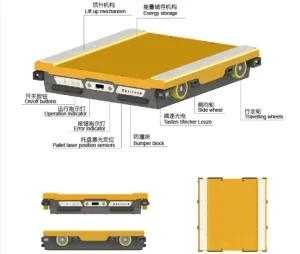
Integrating IoT sensors within the racking structure to track load deflection in real-time. Developing next-generation automated shuttles with intelligent speed and deceleration profiles.
Transitioning to certified green steel sources and energy-efficient roll forming techniques to lower the carbon footprint of structural logistics components.
Developing specialized high-density structures engineered for autonomous drone inspections and direct, continuous robotic picking systems.
Expert engineering insights on warehouse storage system selections, quality testing, and international compliance.
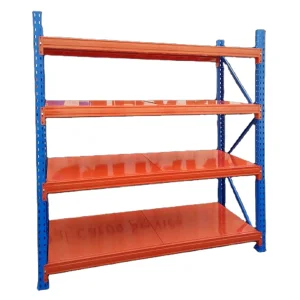
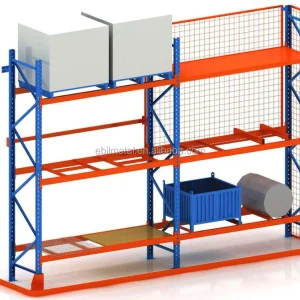
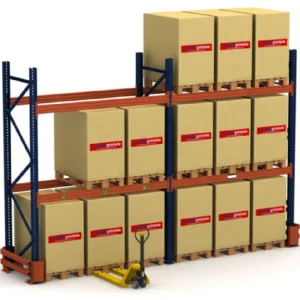
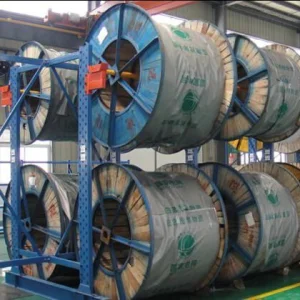
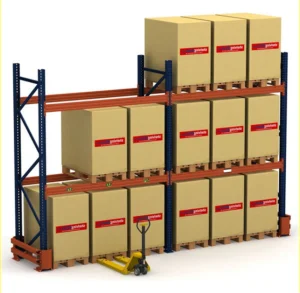
Heavy-duty pallet racking, multi-tier platforms, and upright guard components designed to maintain structural safety.
 Ebil Metal